Why Your New Laptop Costs $200 More, and It Has Nothing to Do With Laptops
Nvidia never sold you a GPU. Your last laptop or phone purchase still got more expensive because of one — and the mechanism is simpler than it sounds.

Tagged supply chain · show all articles
Nvidia never sold you a GPU. Your last laptop or phone purchase still got more expensive because of one — and the mechanism is simpler than it sounds.
Nvidia designs. AMD designs. Apple designs. Almost none of them manufacture. One Taiwanese company makes the leading-edge chips for nearly everyone who doesn't, and that single fact shapes more of the AI boom than any GPU announcement.
Every AI accelerator headline is about the die. The actual ceiling on how many of them the world can build in 2026 sits one manufacturing step later, in a packaging process most coverage never names.
Building a leading-edge fab outside Taiwan was long treated as economically irrational. TSMC is doing it anyway, at a scale that has quadrupled since the first announcement — and the reasons are as much about customers as about geopolitics.
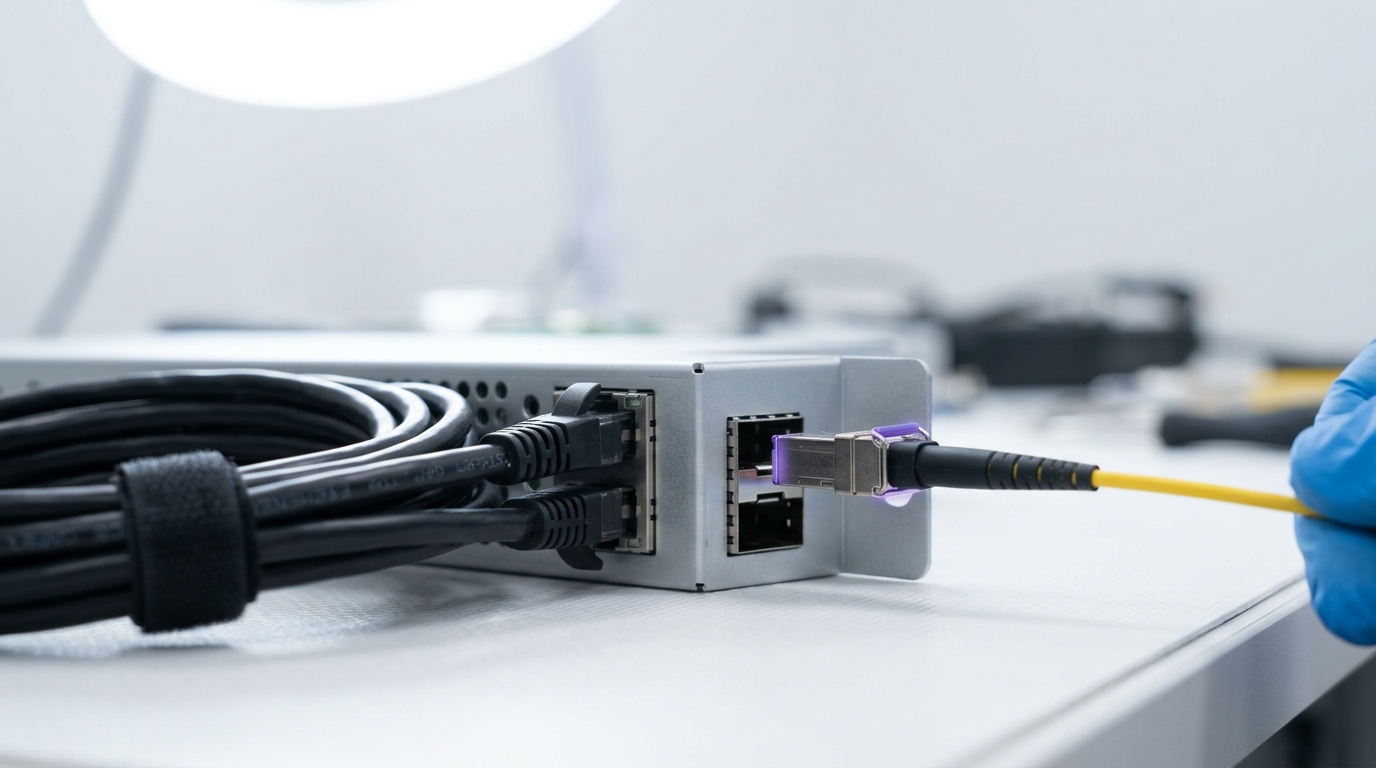
Every accelerator deal in this cohort assumes the cabling will be there when the chips arrive. Optical fiber and connector lead times now exceed 20 weeks — one more physical constraint hiding behind the gigawatt headlines.
SUMCO is shutting down older production and shelving a new plant to concentrate on the high-end wafers AI chips need — capital reallocation several steps removed from any GPU.
SK hynix and Samsung are Korean. The only remaining US-headquartered company producing DRAM and HBM at real volume is Micron — a supply- security story as much as a technology one.
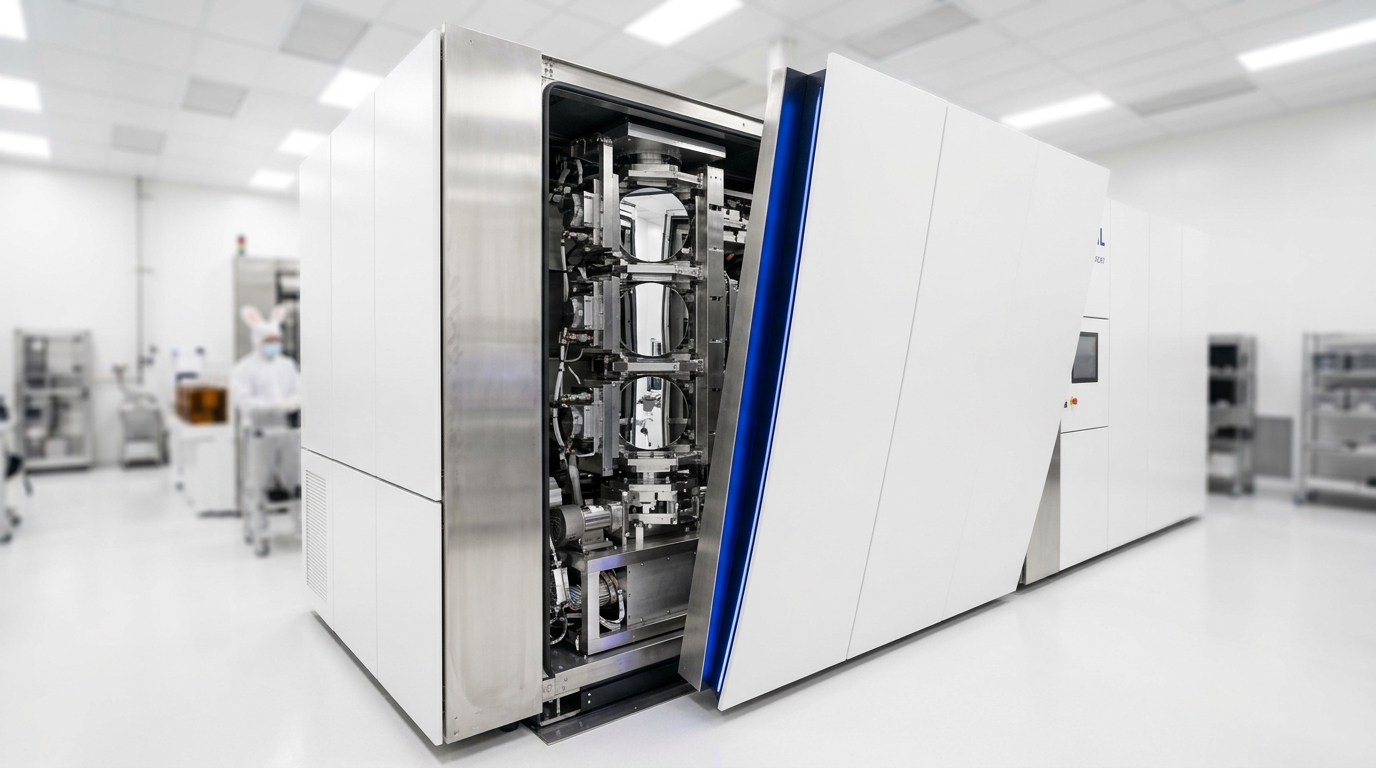
No EUV lithography machine, no leading-edge chip — full stop. Every AI accelerator in this cohort exists because exactly one company in the world can build the tool that makes it possible.
Not the GPU. Not the memory. A power transformer — a piece of equipment that hasn't fundamentally changed in decades — now has a longer lead time than almost anything else in the entire AI supply chain.
A language model has one input channel and no way to mark part of it inert. Everything it reads is a candidate instruction, which moves the defensible boundary off the prompt entirely and onto the authority behind every action the system is allowed to take.