The bottleneck hiding behind the bigger headlines
This cohort’s power-infrastructure briefings cover grid interconnection queues and transformer lead times in detail — genuinely severe constraints that deserve the attention they get. A smaller, less-covered constraint sits right alongside them: optical fiber and interconnect supply, which is tightening for reasons specific to how AI racks are physically built, distinct from the power story entirely.
The multiple, quantified
AI accelerator racks require 10 to 36 times more fiber than a conventional server rack [1]. That is not a marginal increase — it means a single AI rack’s cabling requirement can exceed what an entire row of conventional server racks would have needed under the previous generation of datacenter design. Multiplied across the gigawatt-scale buildouts covered throughout this cohort’s hyperscaler and accelerator-deal briefings, the aggregate fiber demand implied is enormous relative to what the fiber and connector supply chain was sized for as recently as a few years ago.
Why lead times stretched this far
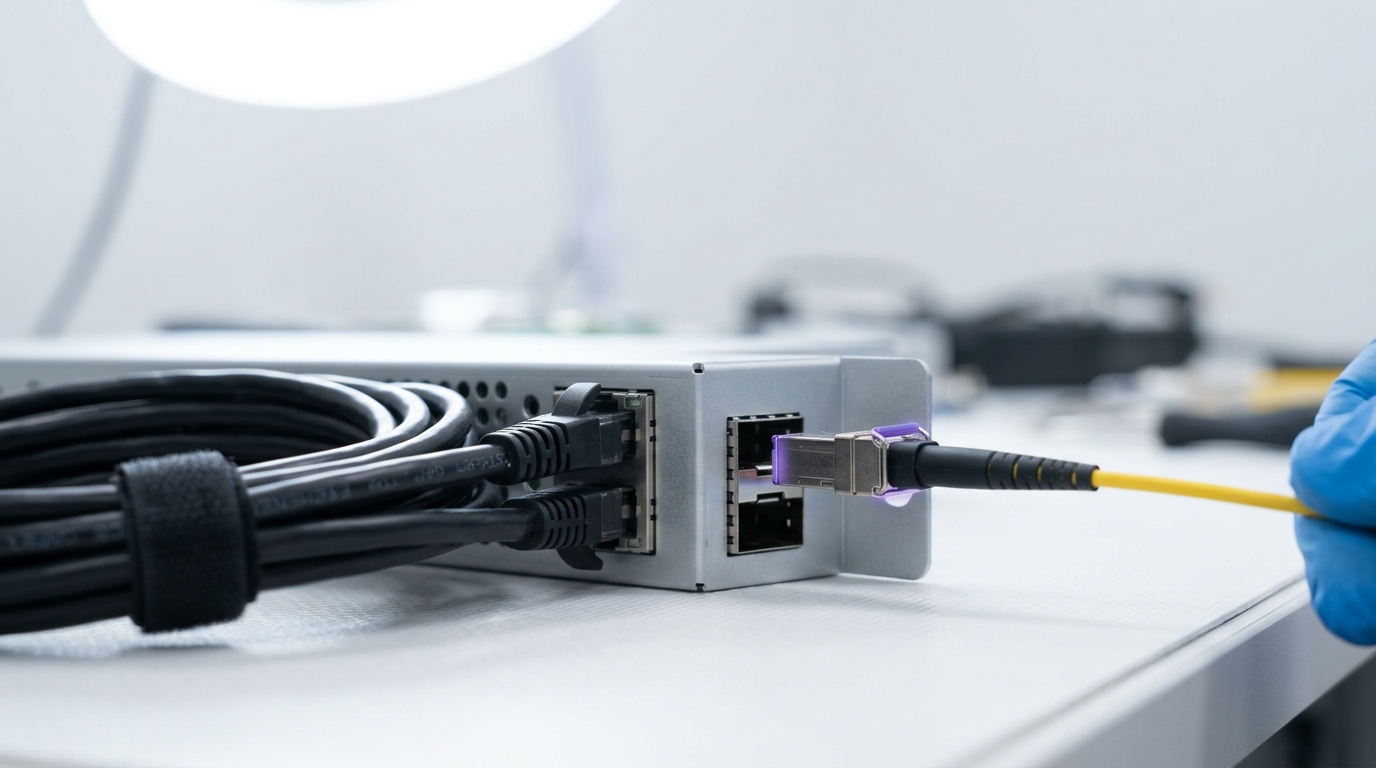
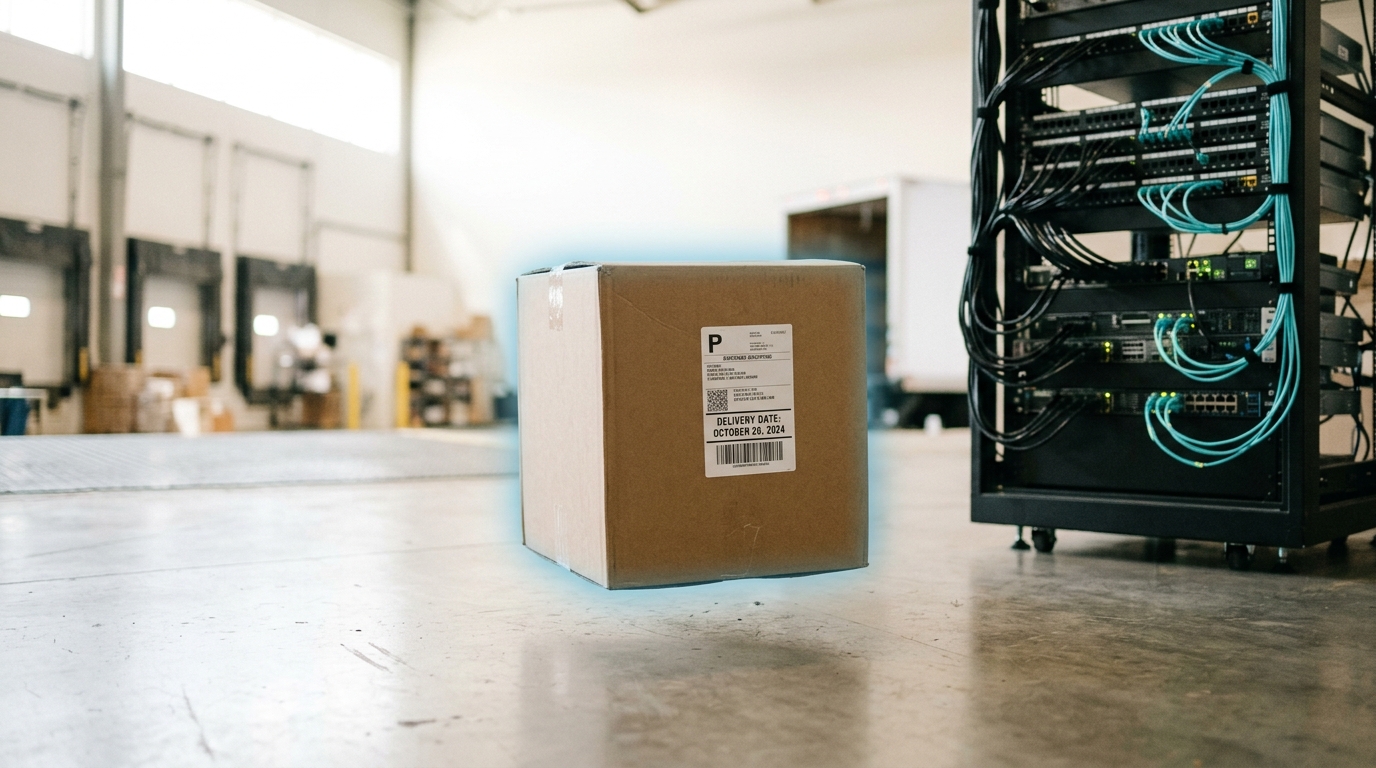
Direct-attach copper (DAC) and active optical cable (AOC) lead times now exceed 20 weeks [1], a direct consequence of demand outpacing the specialized manufacturing capacity for these specific connector types. Broader 2026 IT supply chain coverage describes this as part of a wider pattern: components that were never previously considered scarce — connectors, cabling, even basic server components covered in adjacent analysis of CPU, SSD, and HDD supply — are now experiencing real constraints purely because AI datacenter buildouts have concentrated demand faster than any of these supply chains anticipated [2] [3].
Why this connects directly to this cohort’s photonics and cooling briefings
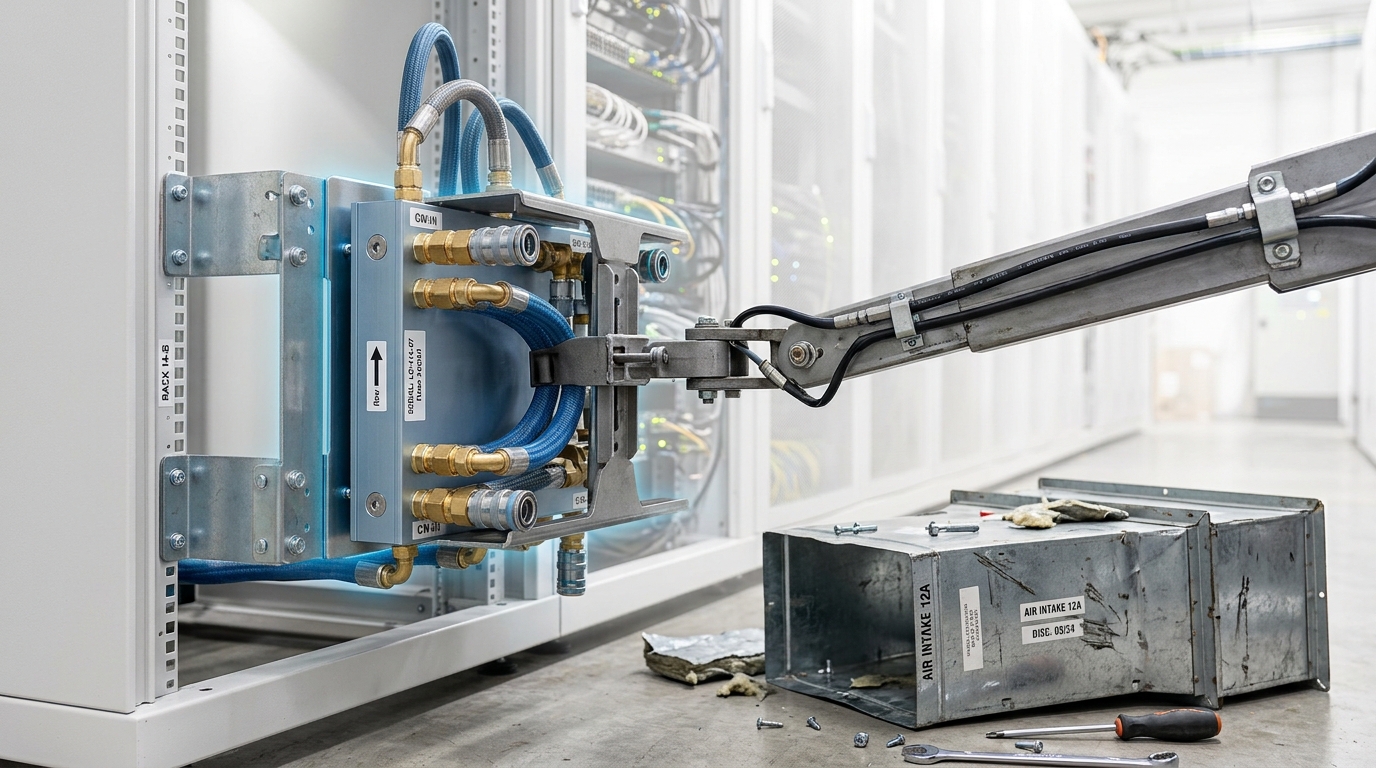
The co-packaged optics shift covered in this cohort’s Nvidia and liquid-cooling briefings is, in part, a response to exactly this fiber-density problem: integrating optical engines directly onto switch and compute packages reduces the total discrete cabling a rack needs compared to conventional pluggable optics, partially easing the fiber-supply pressure this briefing documents. That means the same technology shift driving the liquid-cooling requirement covered in this cohort’s companion briefing is simultaneously a partial solution to the fiber bottleneck — a rare case in this cohort’s infrastructure coverage where one technology shift addresses two separate constraints at once, even as it introduces a new one.
Why this deserves more attention than it gets
Comprehensive maps of AI datacenter bottlenecks increasingly list fiber and interconnect supply alongside power, chips, and cooling as a distinct, independent constraint category [4] — yet it receives a small fraction of the coverage power infrastructure or chip supply attract. A reader building a complete mental model of what actually gates 2026 AI infrastructure deployment should add this constraint to the list alongside the power and cooling bottlenecks covered in this cohort’s companion briefings, rather than assuming cabling is a solved, background detail beneath the more visible headline numbers.
Why fiber shortages are harder to spot from the outside
Unlike a well-publicized chip or memory shortage, a fiber and connector shortage rarely produces a visible price spike a casual observer would notice, since these are comparatively low-cost components purchased in bulk rather than headline-grabbing individual products. The shortage instead shows up as quiet installation delays and rescheduled deployment dates — exactly the kind of slippage this cohort’s broader power-and-infrastructure track documents happening for other reasons simultaneously, making it genuinely difficult for an outside observer to distinguish how much of any specific project’s delay traces to fiber supply specifically versus the power and cooling constraints covered elsewhere in this track.
What would ease this specific constraint
Easing the fiber bottleneck requires expanded manufacturing capacity for the specific connector and cable types AI racks use disproportionately — a narrower, more specialized capacity expansion than general fiber-optic manufacturing capacity, which exists at much larger scale for telecommunications applications broadly. Whether specialty AI-rack connector manufacturers scale capacity quickly enough to close the current 20-week-plus lead times is a narrower, less-tracked question than the power and chip supply questions this cohort covers more extensively, and one worth watching in its own right — the kind of quiet, unglamorous constraint this cohort’s equipment and materials track has repeatedly shown to matter more than its coverage share would suggest, and one more line item worth adding to the readiness checklist this cohort’s power and cooling briefings already recommend keeping alongside any announced deployment date.