A number large enough to sound implausible
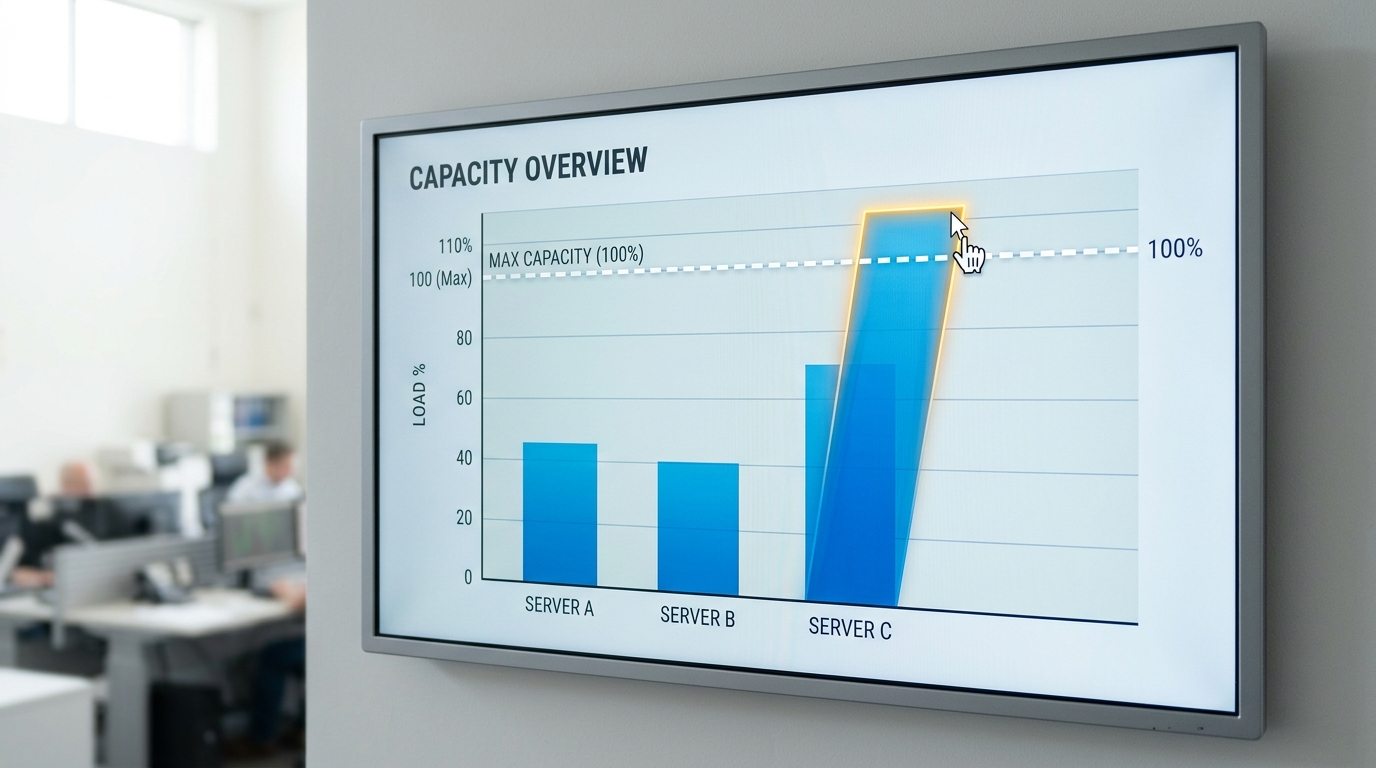
Interconnection queues — the formal waiting line of projects seeking permission to connect to the electrical grid — have reportedly grown to over 2,100 gigawatts of pending requests nationally in the United States, a figure that exceeds total current US grid capacity [1]. That is not a typo or an exaggeration; it reflects how many proposed projects, across every category of generation and demand, are simultaneously waiting for approval to connect, at a moment when connection approvals are not keeping pace with proposals.
Why AI datacenters are only part of this queue, but can’t skip it
The 2,100-gigawatt queue includes far more than AI datacenter projects — new generation capacity of every type, industrial facilities, and other large electrical loads all compete for the same finite interconnection approval process. AI datacenters do not receive automatic priority in that queue regardless of how much capital or political attention their sponsors bring; grid interconnection approval is governed by utility and regional grid-operator processes that, historically, have not distinguished between an AI datacenter and any other large proposed load in terms of procedural priority [2].
The direct consequence this cohort tracks elsewhere
This queue length is the specific mechanism behind the 30-50% of planned 2026 AI datacenter capacity projected to slip to 2028 [1], a figure this cohort’s broader power-bottleneck briefing cites as evidence that 2026 deployment is power-bound rather than chip-bound. It also connects directly to this cohort’s transformer lead-time briefing: even a project that clears the interconnection queue still needs the physical equipment — transformers averaging 128 weeks, generator step-ups averaging 144 weeks — to actually deliver on that approved connection, meaning queue clearance and equipment delivery are two independent, both-necessary gates a project has to pass through, not one combined bottleneck.
Why this is a genuinely different kind of constraint than anything else in this cohort
Nearly every other bottleneck covered throughout this cohort — HBM supply, CoWoS packaging capacity, wafer lead times — is, in principle, addressable by adding manufacturing capacity given enough capital and enough time. Grid interconnection approval is procedurally, not just physically, constrained: it depends on utility planning processes, regional grid studies, and regulatory review timelines that do not necessarily accelerate proportionally with the capital a project sponsor is willing to spend. That distinction is why this queue deserves separate treatment from the equipment-lead-time bottlenecks covered in this cohort’s companion briefings, even though both sit within the same broader power-infrastructure constraint this cohort’s research documents.
What would actually shorten the queue
Meaningful queue reduction requires either significant new grid capacity coming online faster than new requests are filed, or regulatory and procedural reform to how interconnection studies are conducted and prioritized — both slower-moving, more structural changes than any individual company’s capital investment can produce on its own [4]. Readers tracking AI infrastructure timelines should watch for policy and utility-process reforms specifically, not just capacity announcements, as the more meaningful long-term signal for whether this queue actually shortens.
Why some projects in the queue will never actually be built
A queue this large also contains a well-documented phenomenon worth naming: not every project in an interconnection queue is a genuine, fully committed build. Some proposals are speculative, filed to secure a place in line before a project’s financing or planning is finalized, and a meaningful share of queued capacity historically never reaches completion. That means the 2,100-gigawatt figure somewhat overstates genuine near-term demand, even as it accurately reflects how congested the approval process itself has become — a nuance worth holding alongside the raw number rather than treating every queued gigawatt as a certain future connection.
The regional dimension this national figure obscures
A single national queue figure also obscures significant regional variation: some grid regions face far more severe congestion than others, depending on existing transmission infrastructure, local generation mix, and how concentrated AI datacenter proposals happen to be in that specific area. A company evaluating where to site a new AI datacenter is, in practice, evaluating regional queue conditions specifically, not the national aggregate this briefing’s headline figure describes — a distinction worth keeping in mind before assuming any single number applies uniformly across every possible US datacenter location.