The constraint every other briefing in this cohort eventually hits
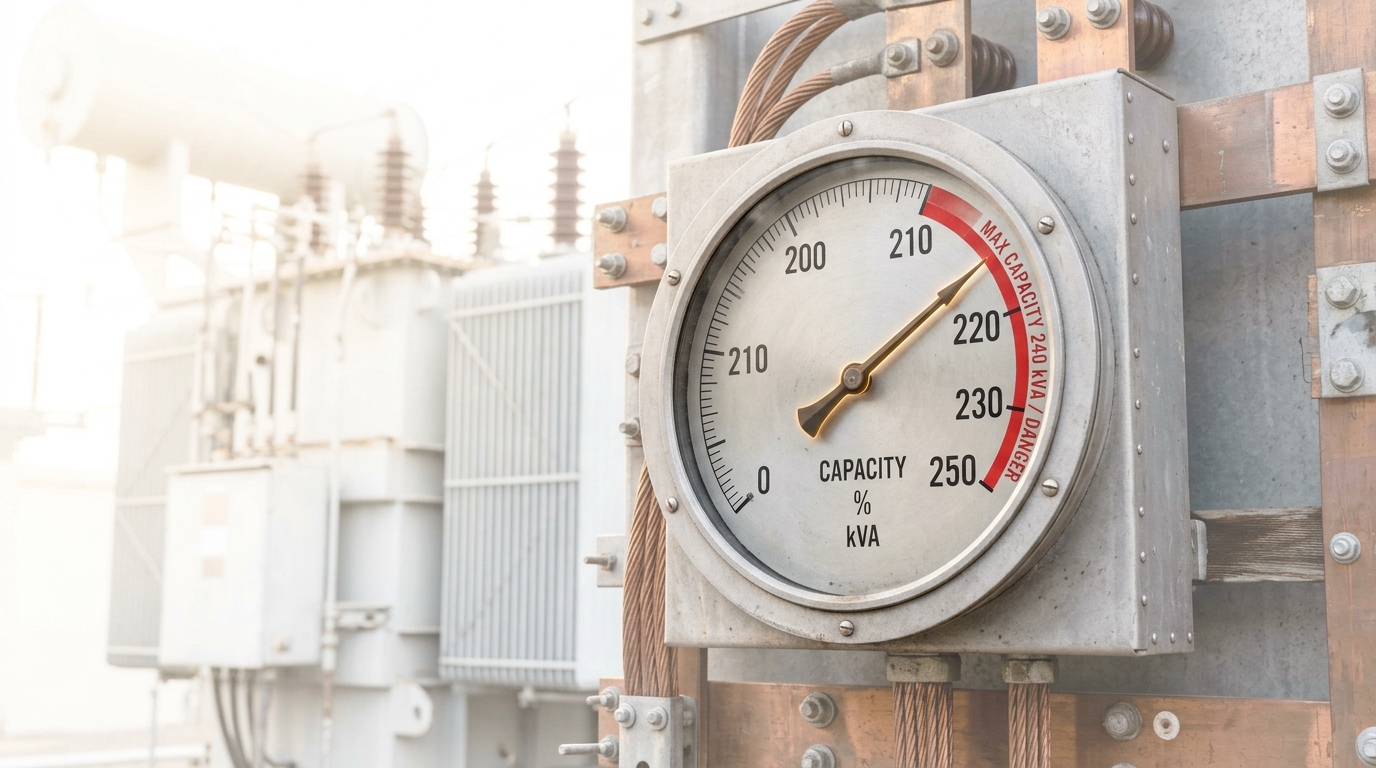
Read enough of this cohort’s accelerator and hyperscaler-deal briefings, and the same underlying limit keeps reappearing regardless of which company or chip is being discussed. This briefing names it directly: 2026 AI datacenter deployment is “power-bound, not GPU-bound” — the phrase multiple analysts now use as the accurate, load-bearing description of the industry’s actual ceiling [1].
The current numbers
US AI datacenter power capacity reached roughly 29.6 gigawatts by Q4 2025. Currently, 10% of datacenters require more than 1 gigawatt of power; that fraction is projected to double to 20% by 2030 [2]. Set against this cohort’s AMD and Broadcom briefings — a combined 16 gigawatts of disclosed OpenAI accelerator-power commitments across just those two deals alone — the entire current national AI datacenter power base could be roughly matched by demand from a small handful of the largest deals this cohort documents individually.

Why the queue, not the chip, sets the real timeline
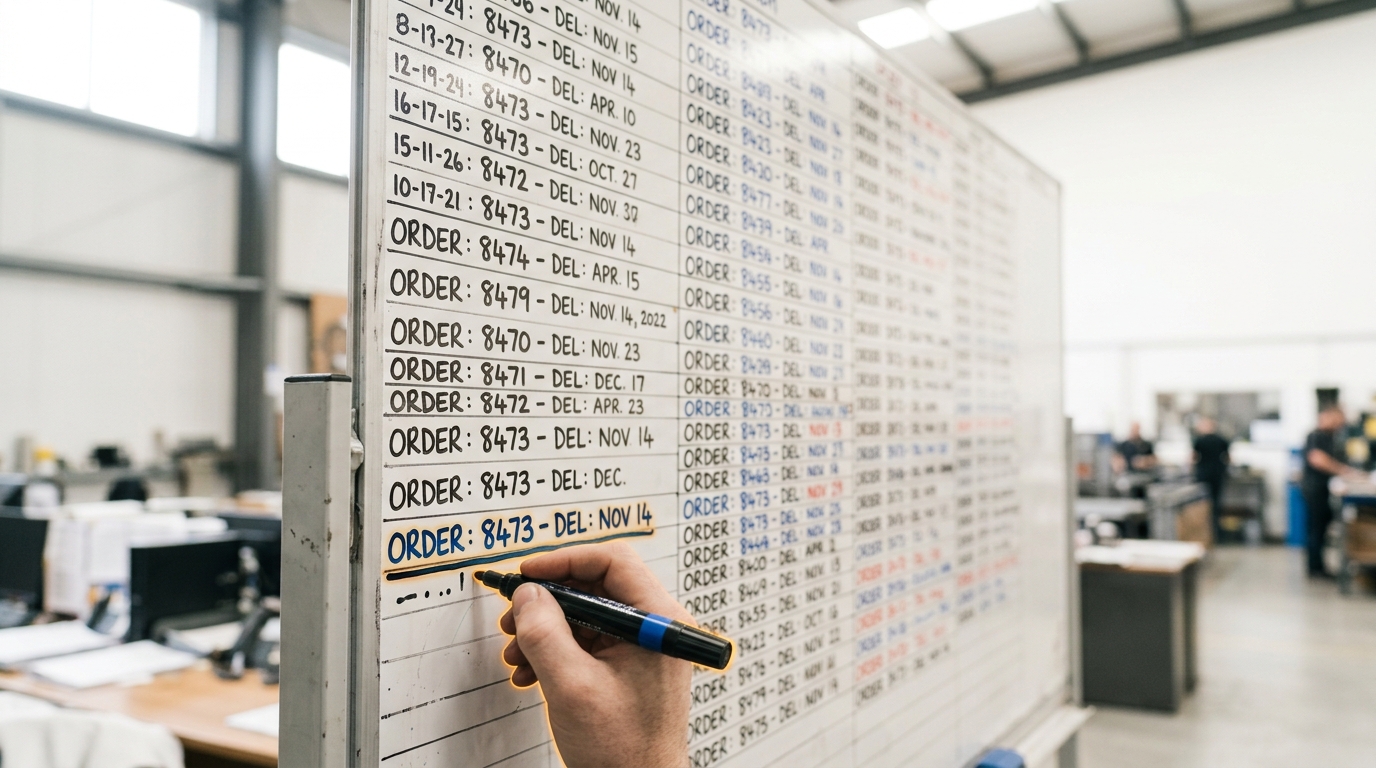
Interconnection queues — the wait to physically connect a new facility to the grid — have ballooned to over 2,100 gigawatts of pending requests nationally, a figure that exceeds total current US grid capacity [3]. That queue length is the reason 30-50% of planned 2026 AI datacenter capacity is projected to slip to 2028 [3] — not because chips aren’t available, but because the electrical infrastructure to power a facility full of them isn’t ready on the timeline the accelerator deals themselves assume.
Reading every accelerator deal in this cohort through this lens
Every gigawatt-denominated commitment covered elsewhere in this cohort — AMD’s 6GW OpenAI deal, Broadcom’s 10GW OpenAI deal — is best read as a demand commitment and a capacity plan, not as capacity that already exists. The chip supply, the design work, and even the fab and packaging capacity covered throughout this cohort’s foundry and equipment tracks could all execute flawlessly and a deal could still slip its delivery date because of this single constraint, sitting entirely outside the semiconductor industry proper.
Why $725 billion in capex doesn’t solve this directly
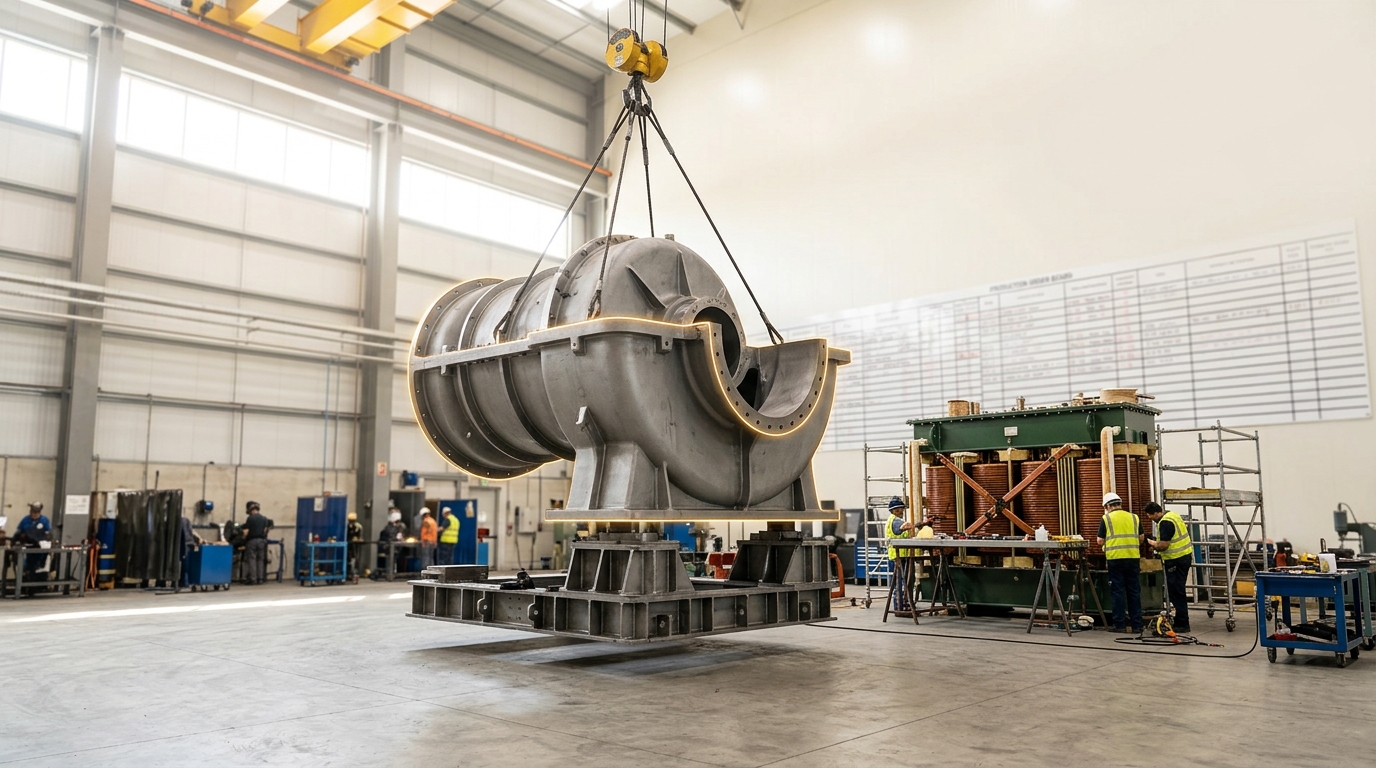
Combined 2026 hyperscaler capital expenditure across Microsoft, Google, Amazon, and Meta reached roughly $725 billion [4]. That capital can fund transformers, substations, and generator capacity — but it cannot shorten grid interconnection approval timelines, which are governed by utility and regulatory processes that money alone does not accelerate on the same schedule a company can deploy capital. This is the clearest illustration in this entire cohort of a constraint that capital cannot simply buy its way past.
What to watch
The single most useful forward indicator for anyone tracking AI infrastructure deployment timelines is published grid interconnection queue data for the specific regions where major AI datacenter buildouts are planned — a more reliable predictor of actual deployment dates than any individual company’s own construction timeline announcements, which routinely assume grid capacity that, per the queue data above, may not materialize on schedule.
Why this reframes how to read every other briefing in this cohort
Once the power constraint is understood as the actual binding limit, nearly every other bottleneck this cohort documents — HBM supply, CoWoS packaging capacity, wafer lead times — reads differently. Those constraints determine how much AI compute could theoretically be built if power were unlimited; the power constraint determines how much of that theoretical capacity can actually be energized and put to use on any given timeline. A reader trying to forecast real-world AI compute availability, rather than announced capacity, needs to run both constraints together rather than treating chip supply as the whole story, since a chip sitting in a warehouse waiting for a datacenter that cannot get power is not meaningfully different, from a deployment-timeline perspective, than a chip that was never manufactured at all.
The uncomfortable implication for the industry’s own growth narrative
If power infrastructure genuinely proves to be the harder, slower-moving constraint, the AI industry’s growth curve over the next several years may end up tracking grid and transformer capacity more closely than it tracks chip innovation — a less exciting, less frequently discussed storyline than a new accelerator generation’s benchmark numbers, but arguably the more accurate one for understanding how fast the industry can actually scale in practice, as opposed to how fast its component technologies could scale in principle.