How Energy, Infrastructure, and Civilization Actually Work
EROI, grid balancing, and infrastructure inertia are the three mechanisms that decide which fuels a society can actually run on and how fast it can change its mind.
Tagged energy · show all articles
EROI, grid balancing, and infrastructure inertia are the three mechanisms that decide which fuels a society can actually run on and how fast it can change its mind.
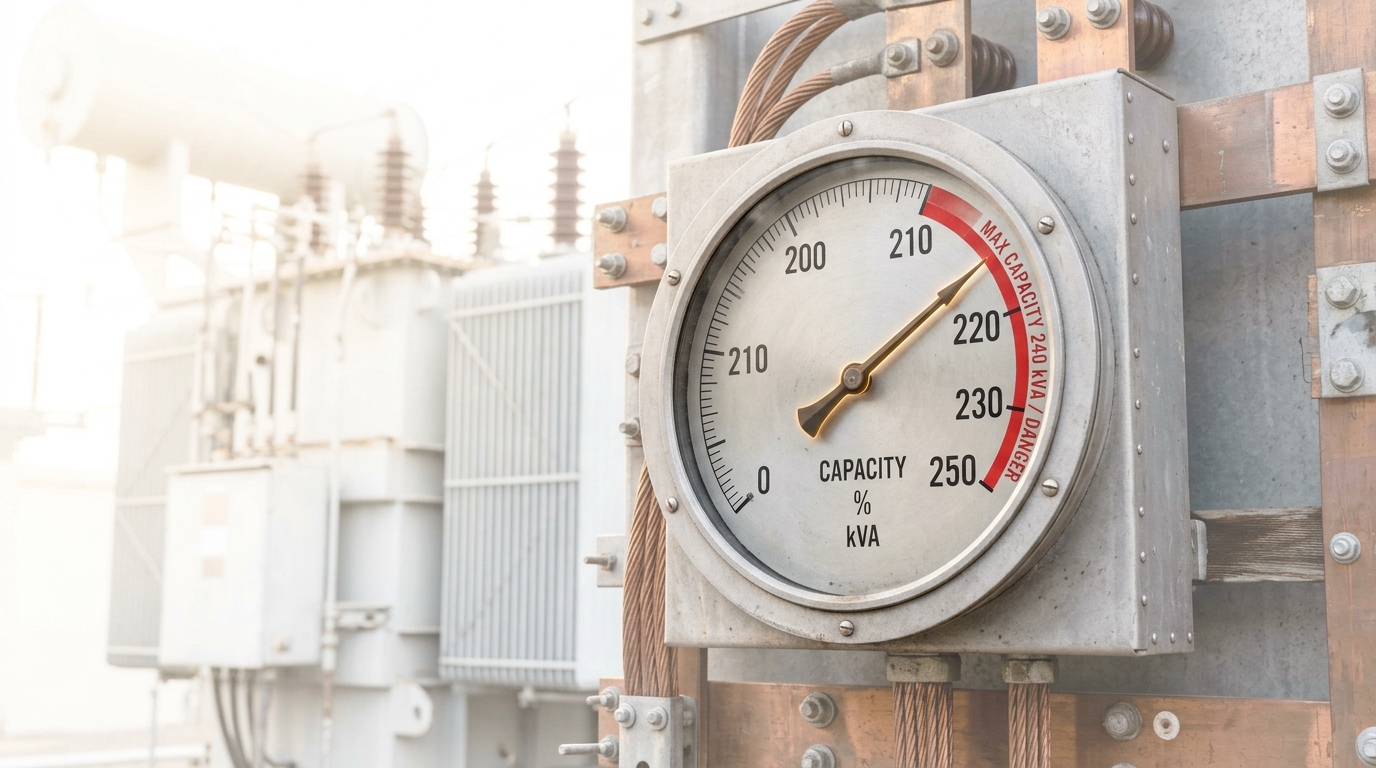
Every briefing in this cohort eventually runs into the same wall: not a chip shortage, but a power shortage. The industry has enough silicon ambition. It doesn't have enough electricity infrastructure to plug it into.
Big Tech's nuclear announcements make great headlines. The actual timeline for any of those reactors delivering power to an AI datacenter is longer than most coverage lets on.
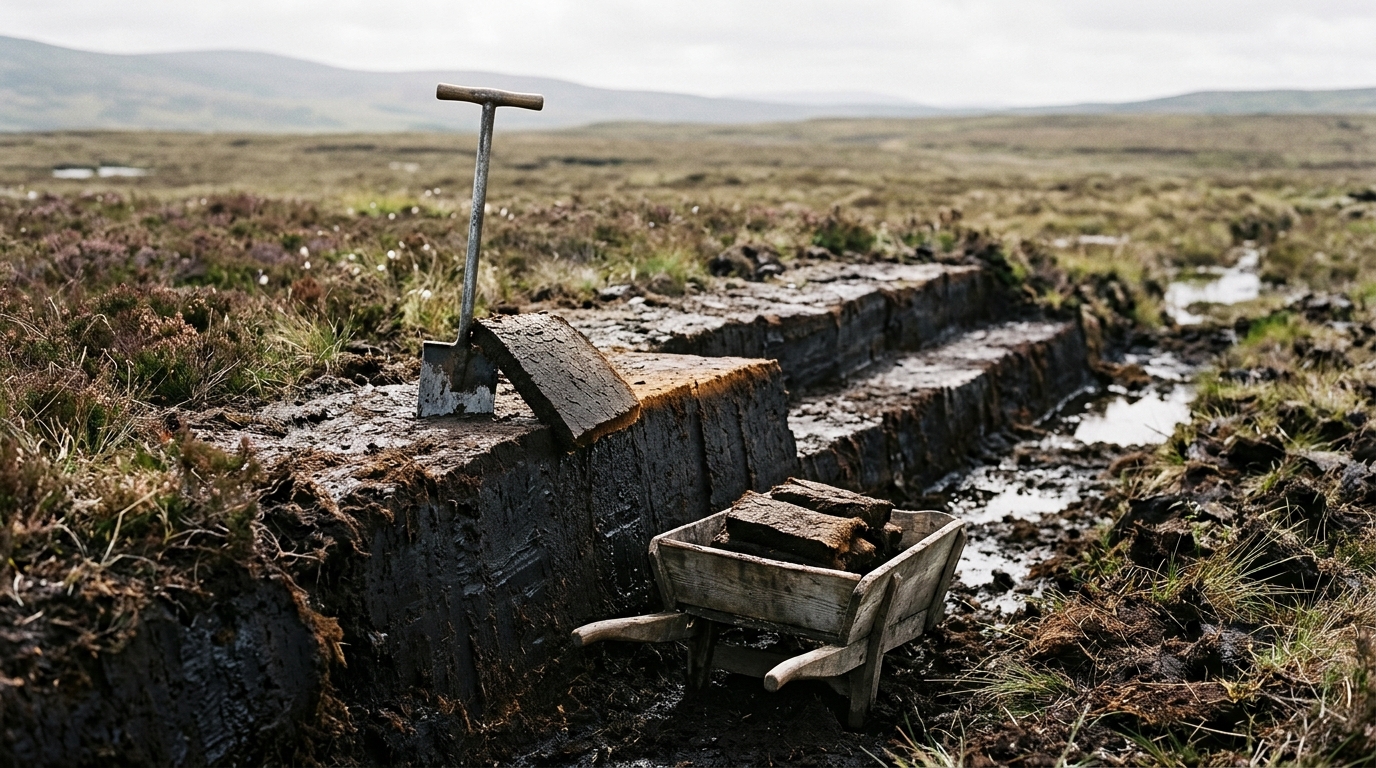
Watts per square metre of land is the least fashionable number in energy analysis and one of the most revealing. It explains what pre-fossil societies could not build — and it is contested in ways worth understanding.
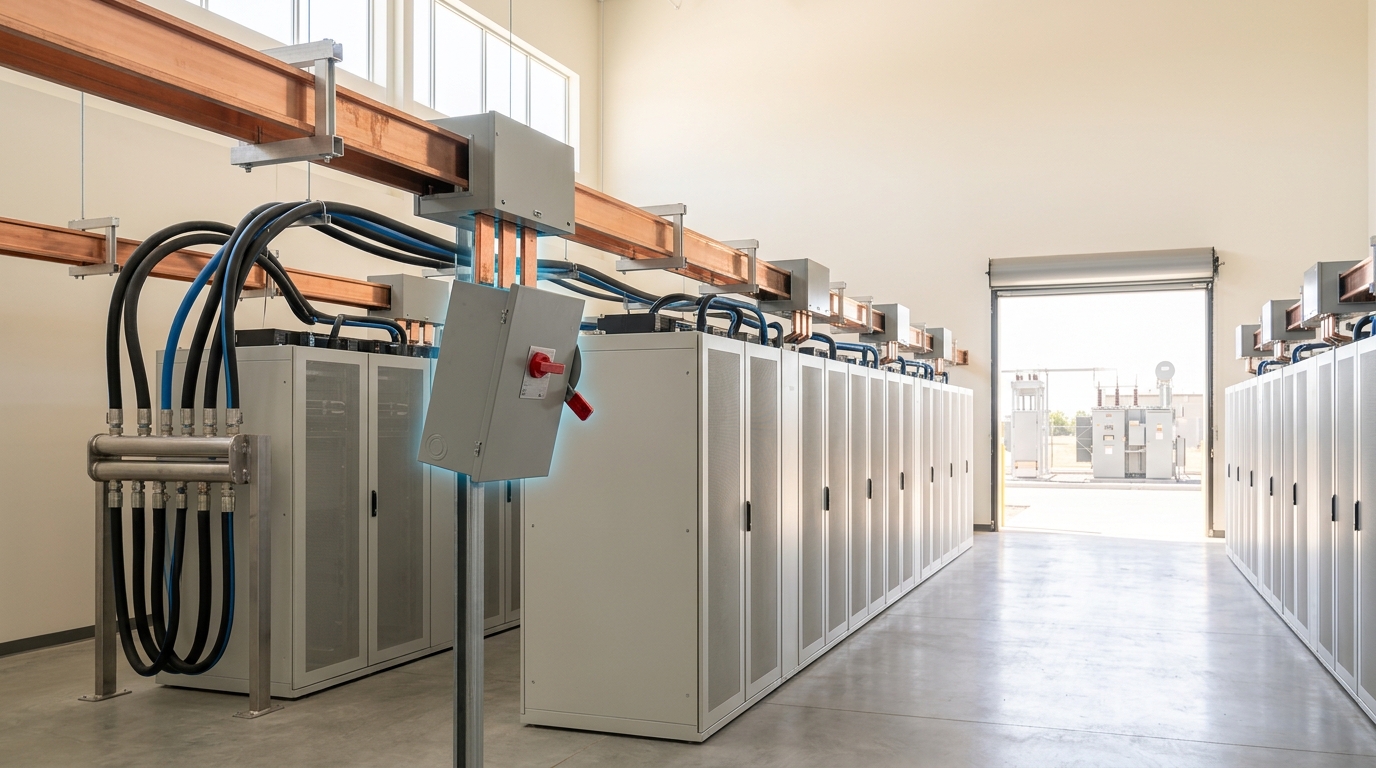
Strip away the accelerators and what remains is a substation, a heat-rejection plant, and a fabric. The building is the engineering object, and the computing is the easy part.
Two axes govern the next decade of frontier model systems: where the next increment of capability is bought, and whether the physical constraints tighten. Crossing them gives four futures, none of which is the favourite.
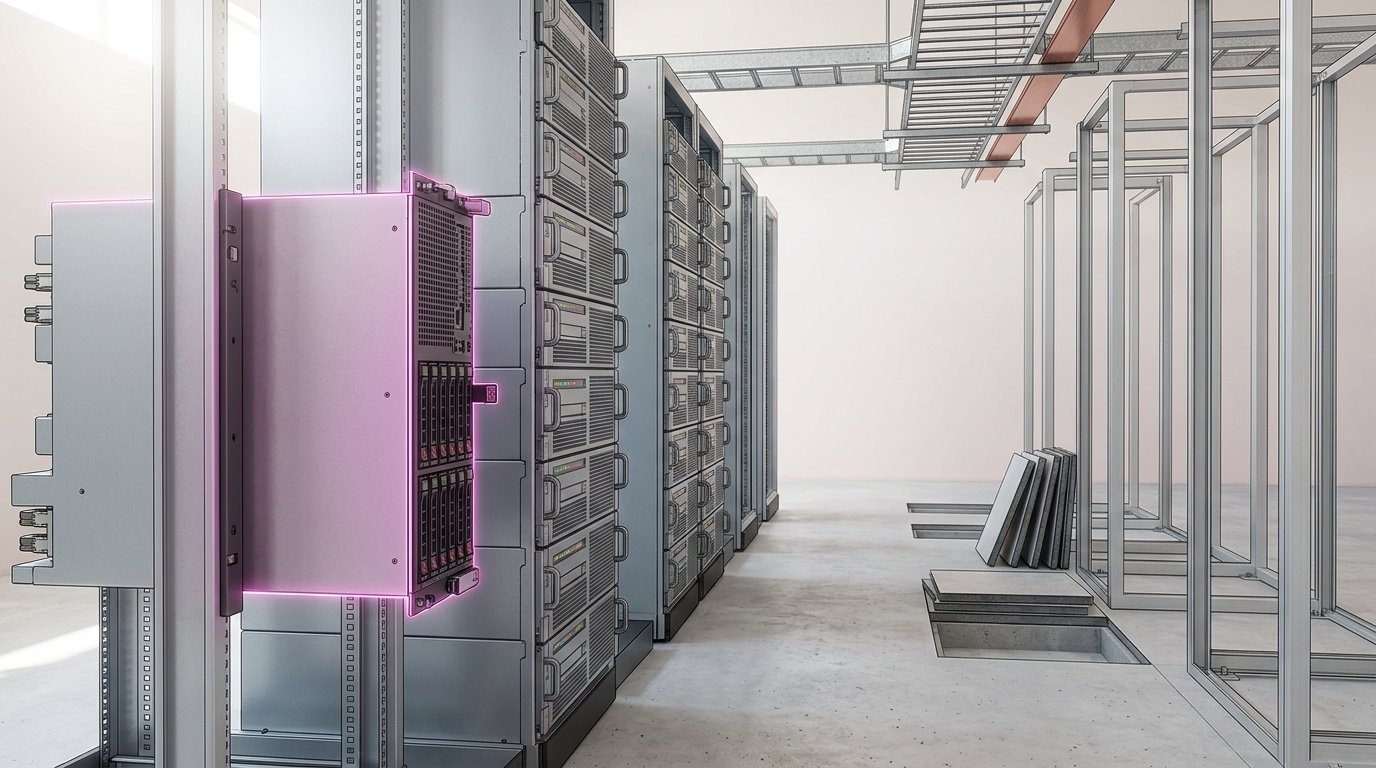
Serving a frontier model is a thermal and logistical problem before it is a computational one. The binding constraints are bytes moved, joules dissipated, and megawatts delivered — in that order.