A deliberately narrow bet
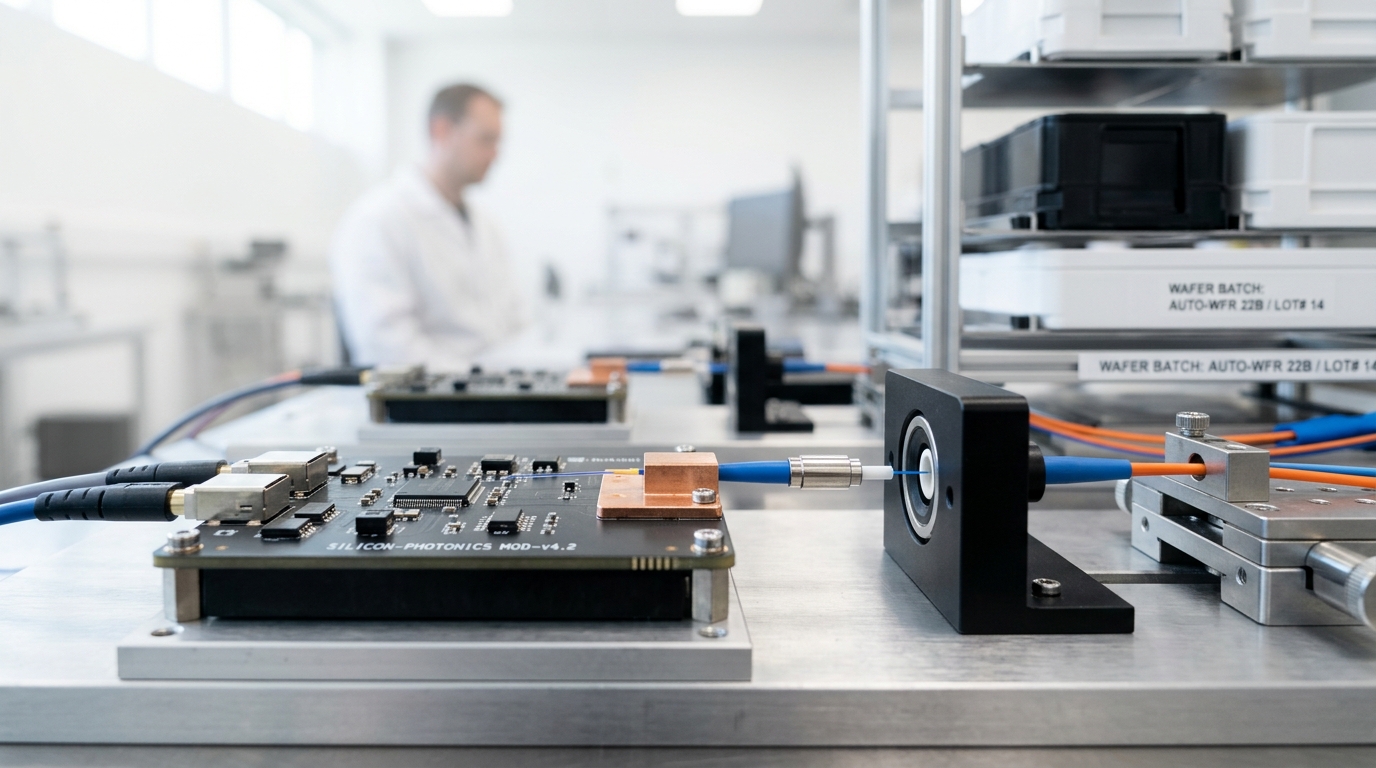
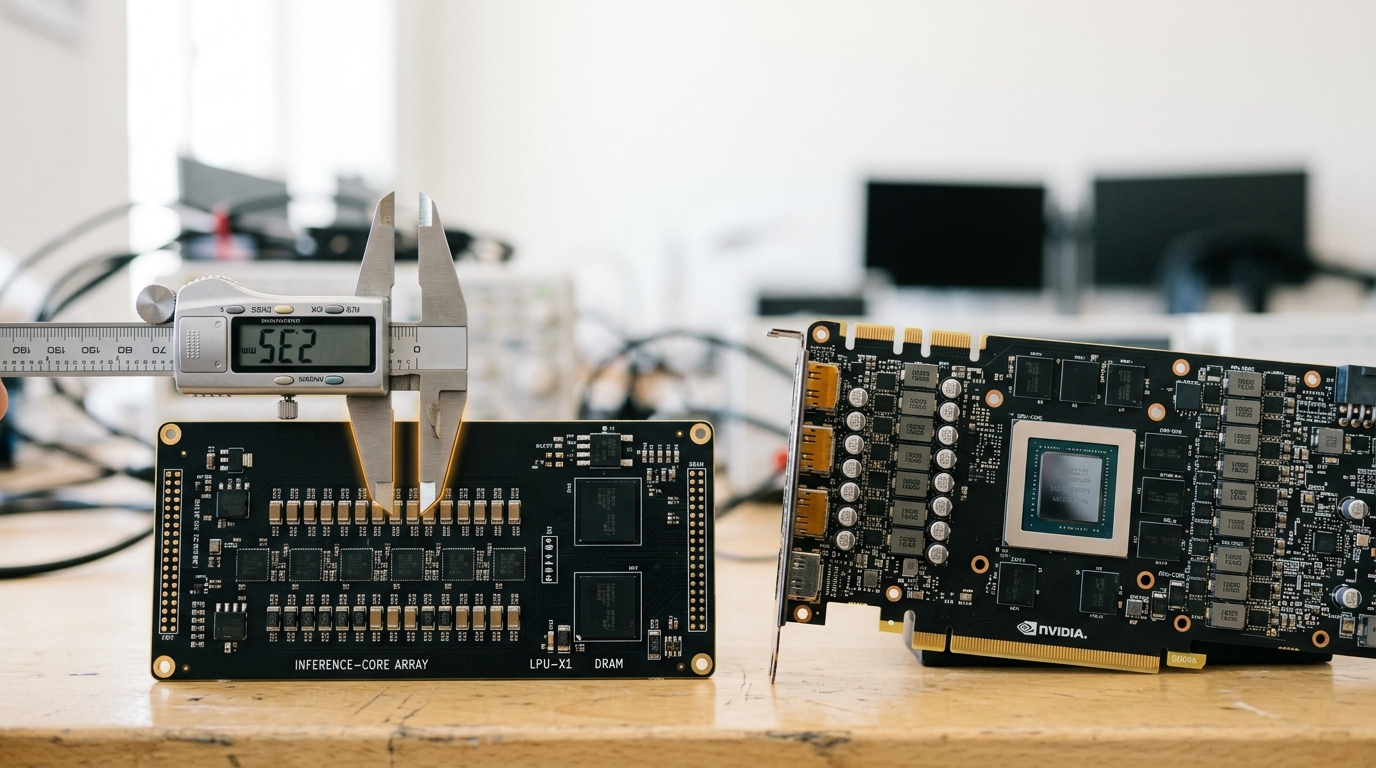
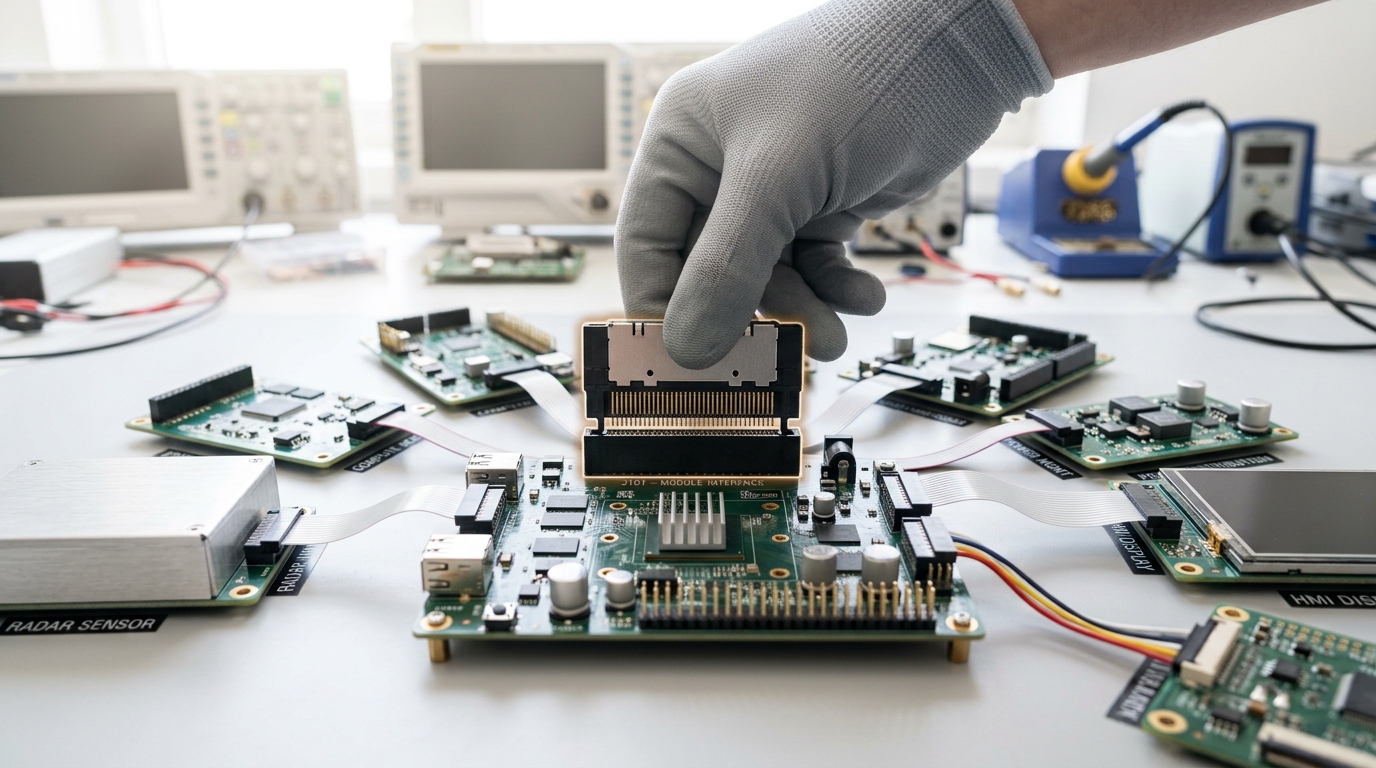
Ayar Labs does not build a complete accelerator, a complete switch, or a complete networking system. It builds optical I/O — the specific interface technology that converts electrical signals to light and back, positioned at the boundary of a chip package. That narrowness is a strategic choice, not a limitation: rather than competing against Nvidia, Broadcom, or any of the accelerator and switch vendors covered elsewhere in this cohort, Ayar Labs positions itself as a potential component supplier to all of them, embedding its technology inside a much larger system another company designs, manufactures, and sells.
Why narrow can beat broad in a component market
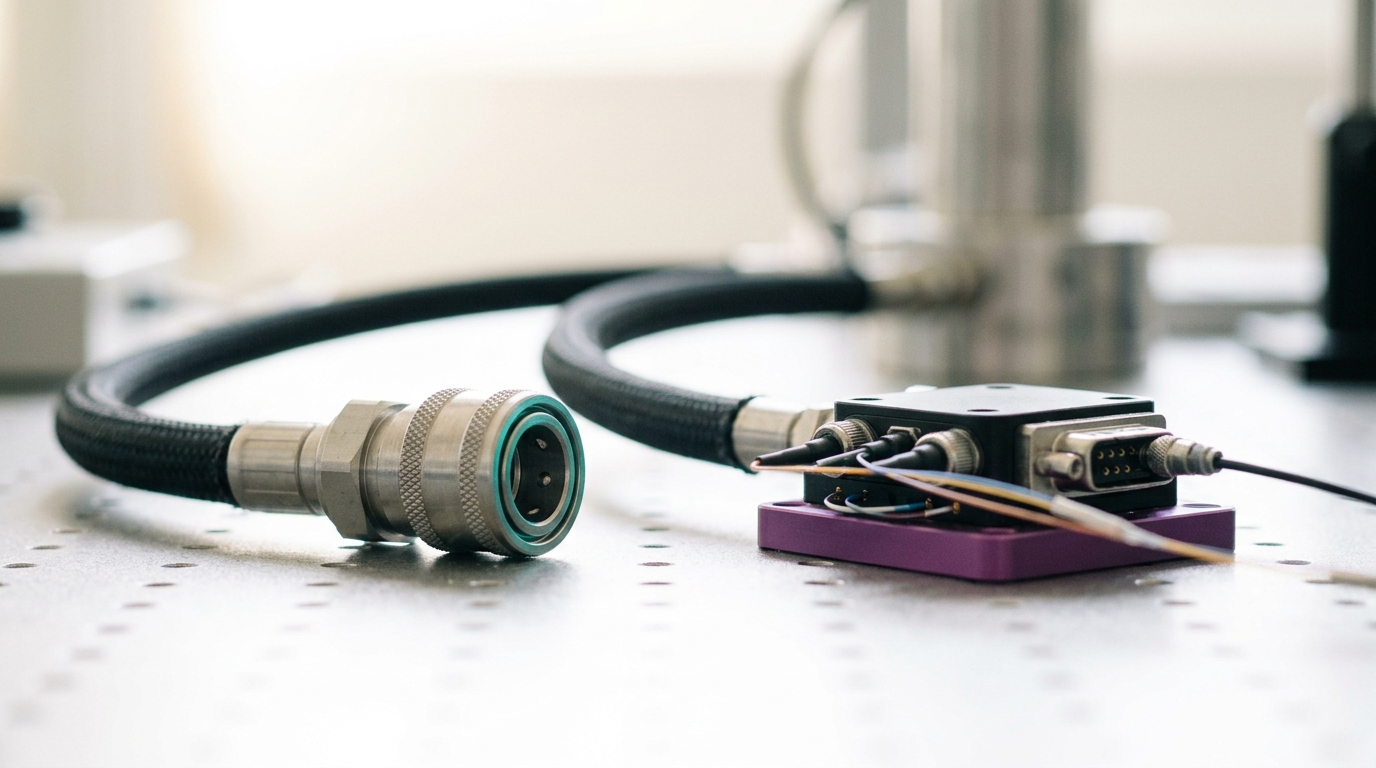
A company building one piece of a larger system extremely well can become indispensable to multiple competing system builders simultaneously — a different kind of business than the accelerator vendors this cohort covers elsewhere, who must win an entire customer relationship on their own. Ayar Labs sits inside the same broader photonic-interconnect cluster as Lightmatter, Celestial AI, Enfabrica, and Astera Labs, which together raised roughly $2.8 billion, reflecting strong investor conviction that this component layer specifically, not just complete accelerator systems, represents a durable, investable business opportunity [1].
The physical constraint that makes this component urgent
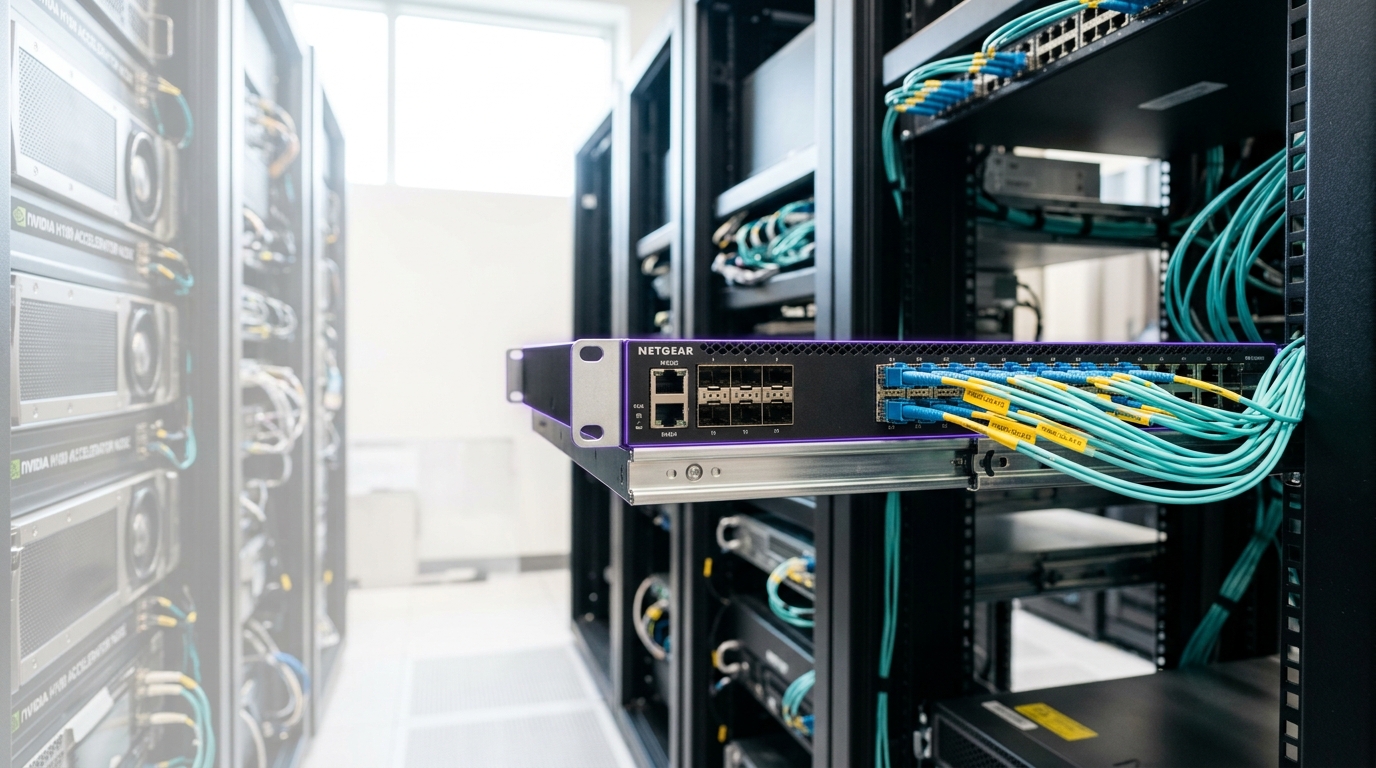
This cohort’s broader infrastructure briefings document AI racks requiring 10 to 36 times more fiber than conventional server racks, with direct-attach copper and active optical cable lead times exceeding 20 weeks [3]. Optical I/O technology like Ayar Labs’ sits directly at the pressure point created by that supply strain: a more efficient, more integrated optical interface reduces the total amount of separate fiber and connector hardware a system needs, partially easing the supply-chain bottleneck this cohort documents extensively elsewhere.
The cooling dependency this technology inherits
Like the co-packaged optics approaches covered in this cohort’s Nvidia and Lightmatter briefings, tightly integrated optical I/O raises local heat density enough to require liquid cooling in many deployment configurations — technical coverage of liquid-cooled optical modules describes this as an emerging, fast-developing product category in its own right, growing directly alongside the broader shift toward denser optical integration [2]. Ayar Labs’ product roadmap is therefore coupled to the same cooling-infrastructure adoption curve as every other company in this cohort’s photonics cluster, regardless of how differentiated its specific optical technology is.
Where Ayar Labs ranks among its peers
Independent industry rankings place Ayar Labs among the more credible pure-play optical I/O specialists, distinct from companies pursuing broader photonic system integration like Lightmatter or interconnect-focused approaches like Celestial AI [4]. That distinction — I/O specifically, rather than broader photonic computing or full interconnect fabric — is worth holding onto when comparing the companies in this cohort’s photonics cluster against each other: each occupies a genuinely different, if adjacent, position in the same broader technology stack, rather than competing head-to-head for the identical piece of business.
Why a components strategy suits a smaller company particularly well
Building a complete accelerator or a complete networking system, the strategy most companies covered elsewhere in this cohort pursue, requires an enormous combination of design, software, and go-to-market investment that only a well-capitalized company can sustain. A components strategy lets a smaller, more focused company like Ayar Labs concentrate its entire engineering effort on one technically hard problem, then rely on partnerships with much larger system builders — the same hyperscalers and accelerator vendors covered throughout this cohort — to handle the integration, marketing, and customer relationship layers a complete system requires. That division of labor is a well-established pattern in the broader semiconductor industry, echoing how specialty materials suppliers like Shin-Etsu and SUMCO, covered in this cohort’s equipment-and- materials track, sustain durable businesses without ever selling a finished chip themselves.
The realistic timeline for this bet to pay off
Optical I/O adoption at meaningful scale depends on the same co-packaged optics adoption curve covered throughout this cohort’s photonics briefings — a technology shift still in its early stages industry-wide as of this briefing, gated by cooling infrastructure changes, packaging process maturity, and the broader fiber and optical-component supply chain each needing to scale in parallel. Ayar Labs’ commercial success is therefore tied to a multi-year industry-wide adoption timeline rather than to its own engineering execution alone, a dependency shared by every company in this cohort’s photonics cluster.