The headline
Cerebras Systems went public on Nasdaq on May 14, 2026, under the ticker CBRS, raising $5.55 billion — reported as the largest US tech IPO since Uber’s in 2019. Shares were priced at $185, opened around $350, and closed the first day up roughly 68% [1] [3].
What the company actually makes
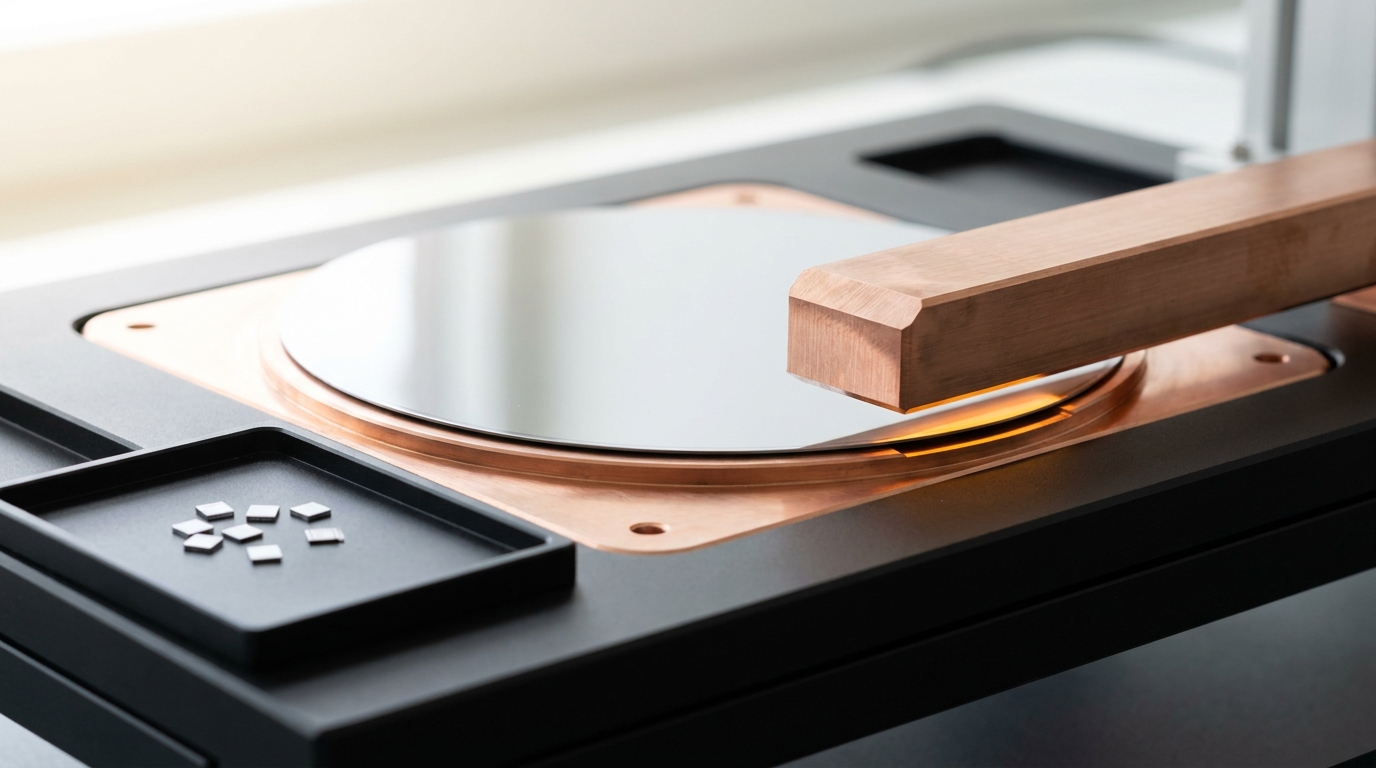
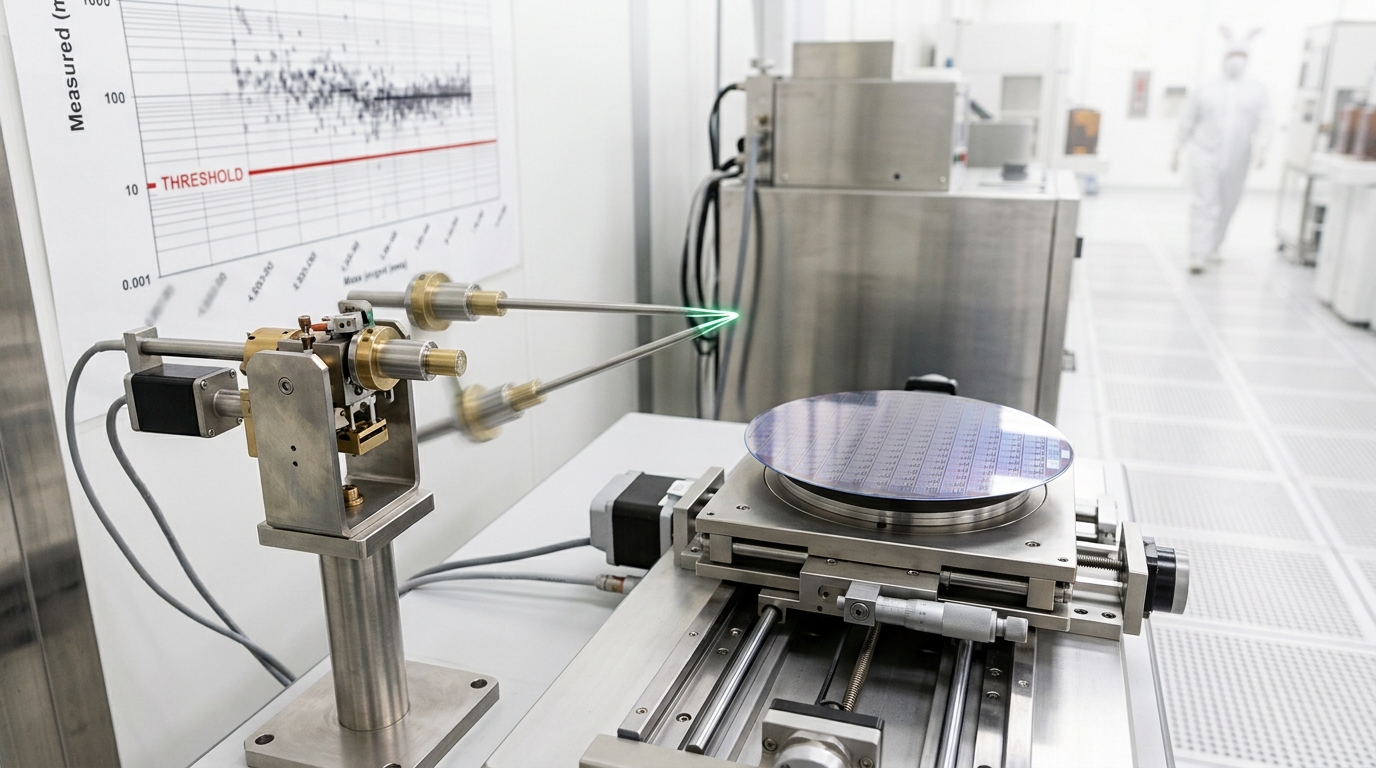
Cerebras builds wafer-scale AI chips — instead of cutting a silicon wafer into dozens or hundreds of individual chips the way virtually every other chipmaker does, Cerebras uses the entire wafer as a single, enormous processor. This cohort’s companion briefing on Cerebras’s wafer-scale architecture goes deeper into how that works and why it matters; this piece is the fast version of the news itself.
The numbers behind the listing
Ahead of the IPO, Cerebras carried a reported valuation around $23 billion, with $510 million in trailing revenue [2]. The company has also struck a partnership with OpenAI reported at more than $10 billion, one of the largest commercial relationships anywhere in the AI-chip startup landscape [2]. Cerebras ranks among the most-funded semiconductor startups tracked heading into 2026 [4].
| Cerebras IPO, May 2026 | Detail |
|---|---|
| Raise | $5.55B |
| Listing price | $185/share |
| First-day open | ~$350/share |
| First-day close | +68% |
| Pre-IPO valuation | ~$23B |
| Trailing revenue | $510M |
Why this is a big deal beyond the dollar figure
A chip startup successfully going public at this scale is a meaningful data point for the entire AI-hardware insurgency this cohort tracks across more than a dozen companies: it demonstrates that public markets are willing to price a credible Nvidia alternative at a serious valuation, not just venture capital. That matters for every other startup covered in this cohort’s Track D — a successful Cerebras IPO makes the public-market exit path look real for competitors like Groq, Tenstorrent, and SambaNova, potentially shaping their own funding and exit strategies over the following several years.
Why an IPO of this size matters to the whole industry, not just Cerebras
A $5.55 billion raise, closing its first day up 68%, is not just a good outcome for Cerebras’s own investors and employees. It is a signal read closely by every other company in this cohort’s insurgent-startup track: Groq, Tenstorrent, SambaNova, and more than a dozen others covered elsewhere in this cohort are all, in effect, running the same experiment — building AI silicon outside Nvidia’s dominant architecture — and Cerebras is the first to test whether public markets will reward that bet at serious scale rather than only private venture investors. A successful listing lowers the perceived risk of that same path for every comparable company watching, and may influence whether the next well-positioned AI-chip startup chooses to stay private longer or pursue its own public listing sooner than it might have otherwise planned.
What happens next for Cerebras as a public company
Going public changes Cerebras’s obligations in ways worth watching independently of the IPO headline itself. The company must now report quarterly results publicly, subjecting its revenue growth, its concentration risk around the OpenAI relationship, and its wafer-scale architecture’s commercial traction to the same recurring public scrutiny every other publicly traded company in this cohort already faces. Investors and competitors alike will be watching Cerebras’s first few quarterly reports as a public company especially closely, both for what they reveal about the company’s own trajectory and for what they imply about how public markets will treat the next AI-chip startup to attempt the same path. A strong second and third quarter as a public company would do more to cement the wafer-scale approach’s commercial credibility than the IPO pop itself, since a first-day price move reflects market enthusiasm and scarcity of available shares more than it reflects a considered judgment about the underlying business. Readers who want to track this seriously should watch Cerebras’s reported revenue concentration by customer in particular, since a business this reliant on a small number of very large relationships, its OpenAI partnership chief among them, carries a different risk profile than a company with a broader, more diversified customer base — a distinction this cohort applies consistently across every startup profile in this track.
What to read next
For the technical story behind the ticker — what wafer-scale integration actually is, and why Cerebras is the only company that has successfully shipped it at commercial scale — see this cohort’s companion briefing, “Cerebras: The Wafer-Scale Bet.”