Part of a cluster, not a lone bet
This cohort’s Nvidia and Marvell briefings both cover incumbents moving into photonic interconnect technology — Nvidia through its own co-packaged optics roadmap, Marvell through its $5.5 billion Celestial AI acquisition. Lightmatter is one of the specialized startups whose technology those incumbent moves are, in effect, racing against or converging with. Lightmatter is part of a photonic and AI-networking cluster — alongside Ayar Labs, Celestial AI, Enfabrica, and Astera Labs — that has together raised roughly $2.8 billion, evidence that “AI scaling is an interconnect problem” is now a seriously funded thesis across many independent companies rather than one company’s isolated idea [1].
The specific bet: proximity reduces loss
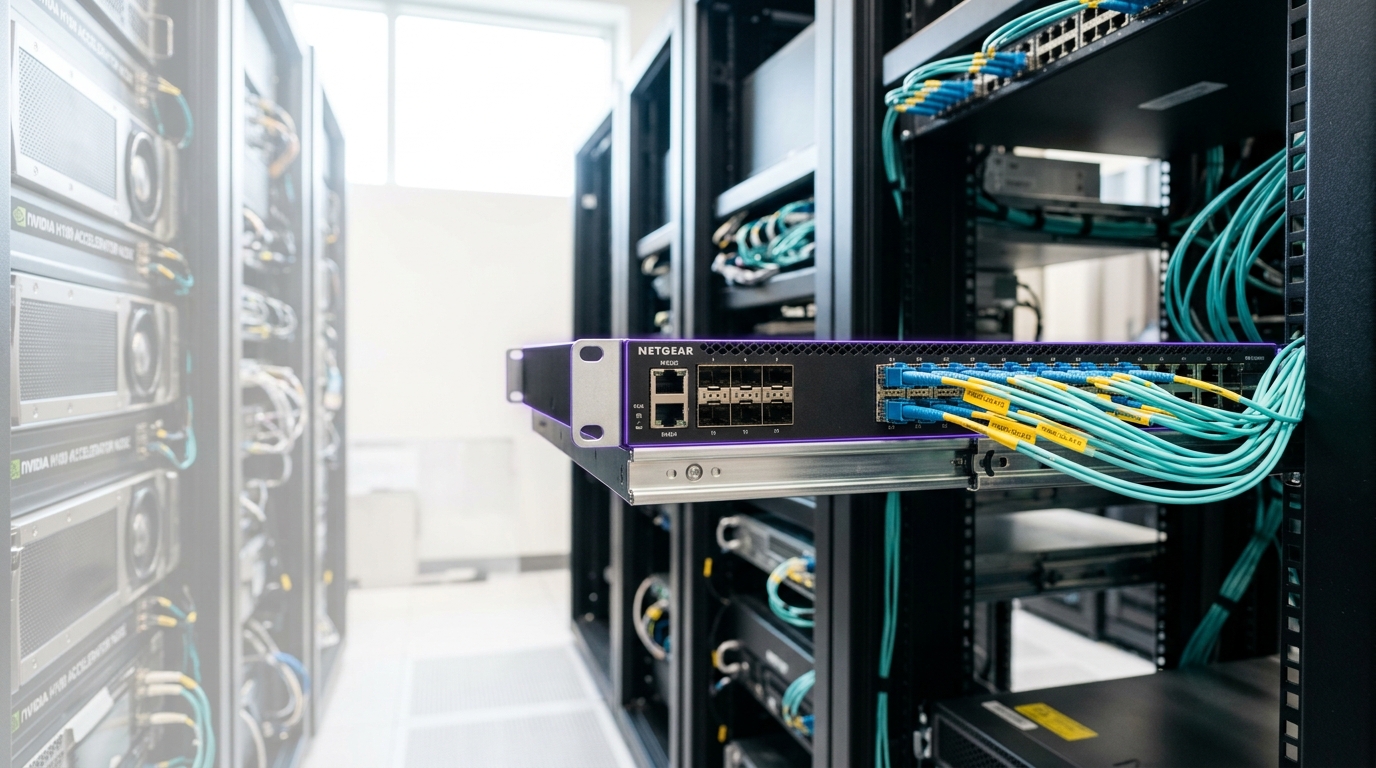
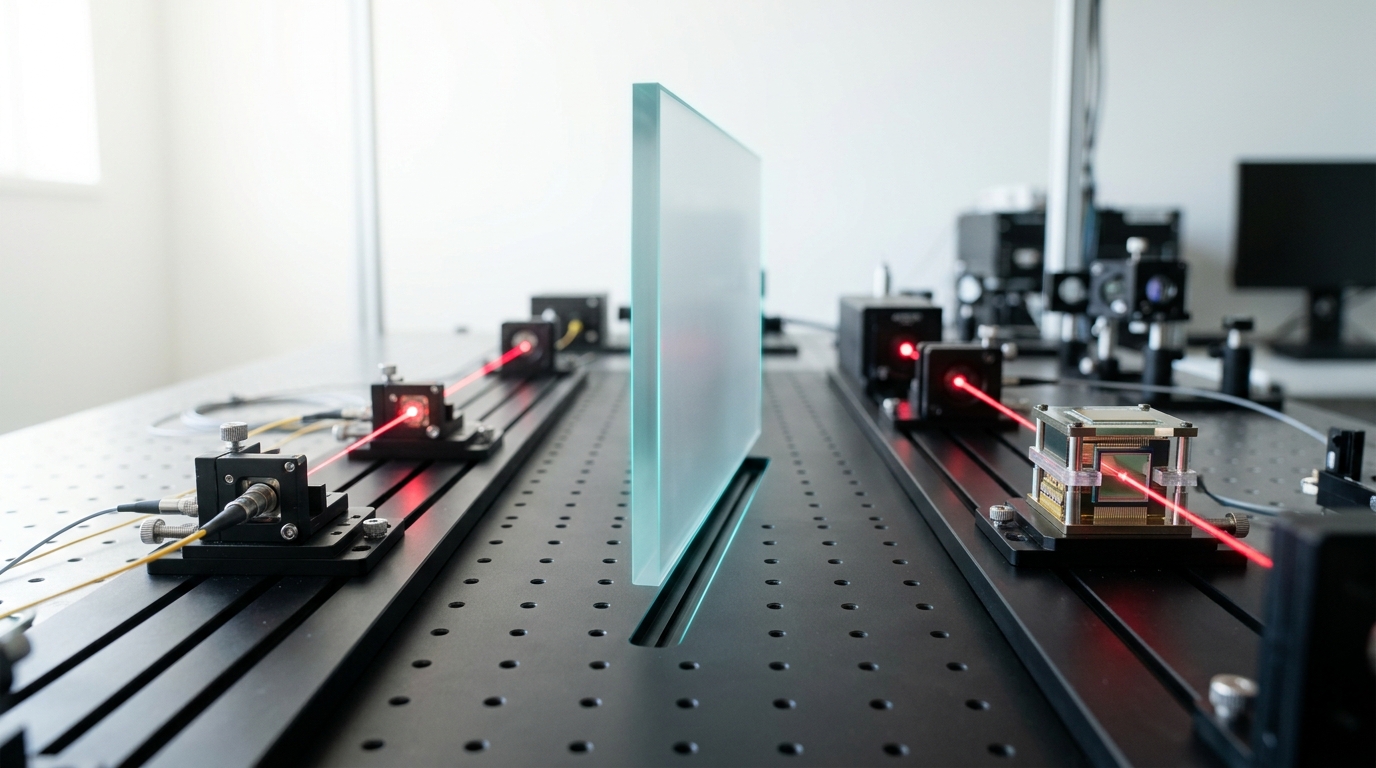
Lightmatter’s technology is built around minimizing the electrical distance a signal travels before being converted to light. The shorter that electrical path, the less power is lost in the conversion — which is the same underlying physics driving Nvidia’s own co-packaged optics push, covered in this cohort’s companion briefing: moving the optical engine physically next to the switch or compute silicon, rather than routing an electrical signal across a board to a separate pluggable optical module first [2]. Lightmatter’s approach applies that same proximity principle aggressively, aiming for optical integration close enough to rival or complement the largest incumbents’ own internal photonics programs.
Why co-packaged optics is becoming a industry-wide convergence point
Industry technical coverage describes co-packaged optics as a “key technology path” for AI datacenter interconnects specifically because it addresses the same bottleneck from multiple angles simultaneously: power efficiency, bandwidth density, and physical space savings compared to conventional pluggable optical modules [3]. That multi-benefit profile is why so many independent companies and incumbents are converging on variations of the same underlying approach at roughly the same time — it is a case where the physics genuinely points toward one general direction, even as specific companies compete on execution details within it.
Lightmatter’s position relative to the incumbents
A specialized startup like Lightmatter competing against Nvidia’s and Marvell’s own internal photonics programs faces an unusual dynamic: it can either become a component supplier to the larger companies building complete systems, license its technology into their designs, or attempt to be acquired the way Celestial AI was by Marvell. Independent industry rankings place Lightmatter among the most credible specialized players in this specific niche, though the company’s ultimate commercial outcome — independent growth, acquisition, or component-supplier status inside a larger company’s stack — remains genuinely open as of this briefing [4].
Why this space rewards patience over a quick verdict
Photonic interconnect technology is still in a relatively early commercialization phase across the entire industry, incumbents and startups alike. Unlike the accelerator-chip comparisons covered elsewhere in this cohort, where production silicon already ships and can be benchmarked directly, much of the photonic-interconnect competitive picture will only become clear once co-packaged optics deployments reach meaningful production scale over the next several years — making this one of the genuinely more forward-looking, less-settled corners of the entire AI hardware landscape this cohort surveys.
The manufacturing dependency underneath every photonics startup
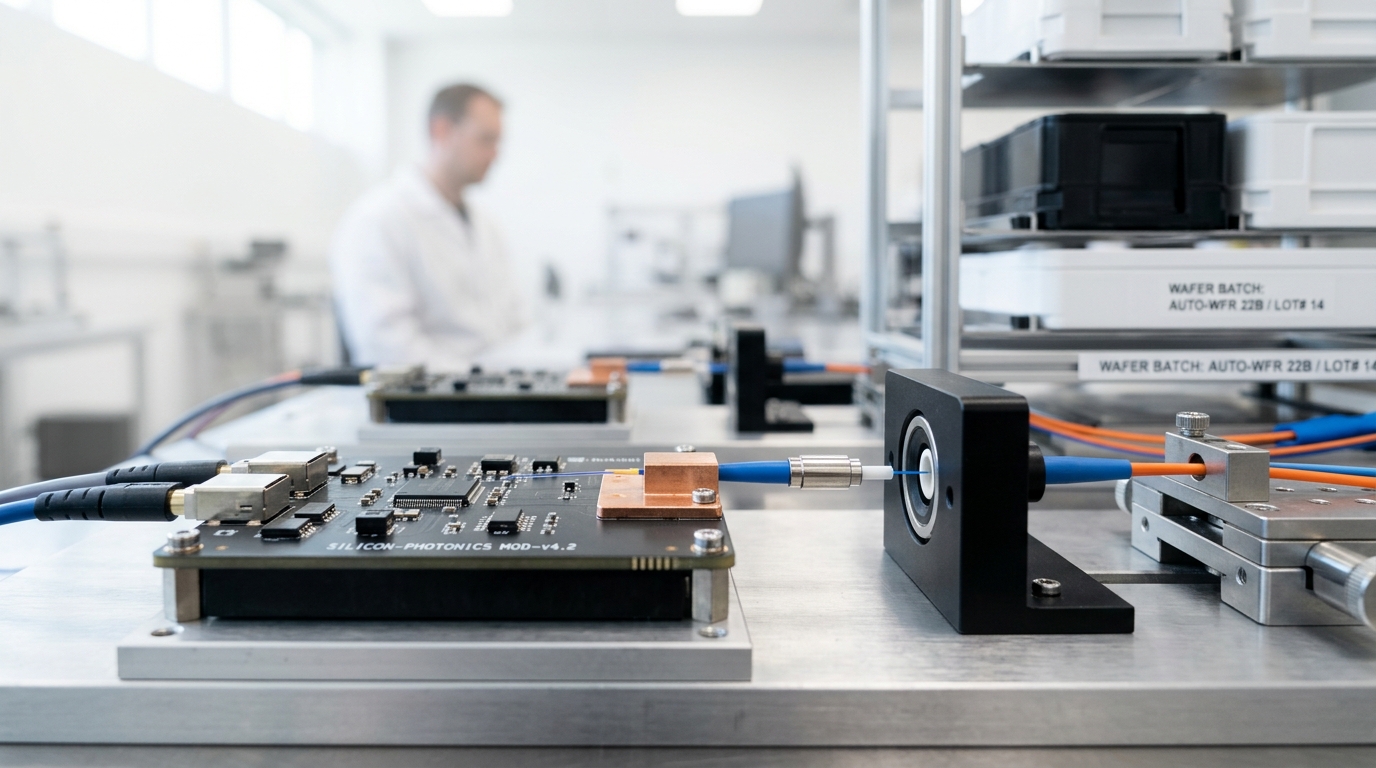
Every company in this photonic-interconnect cluster, Lightmatter included, depends on manufacturing processes still less mature and less standardized than conventional electronic chip fabrication. Silicon photonics requires precision optical alignment, specialized packaging, and testing processes that the broader semiconductor supply chain — built for decades around purely electronic devices — is still adapting to support at real volume. That dependency means Lightmatter’s commercial trajectory is tied not only to its own engineering execution but to how quickly the broader photonics manufacturing ecosystem, including packaging houses and specialty material suppliers covered elsewhere in this cohort, matures alongside it.
Why incumbent convergence is not necessarily bad news for the startup
A reader might reasonably assume that Nvidia’s and Marvell’s own internal photonics investments are simply competitive threats to a startup like Lightmatter. The more nuanced reading, consistent with how this pattern has played out elsewhere in this cohort’s accelerator coverage, is that incumbent investment in the same underlying technology validates the category and often precedes a startup being acquired, licensed, or established as a component supplier rather than displaced entirely. Whether Lightmatter’s path more closely resembles Celestial AI’s acquisition by Marvell or a continued independent trajectory is one of the more interesting open questions in this specific corner of the AI hardware landscape.