The beneficiaries nobody names alongside Nvidia
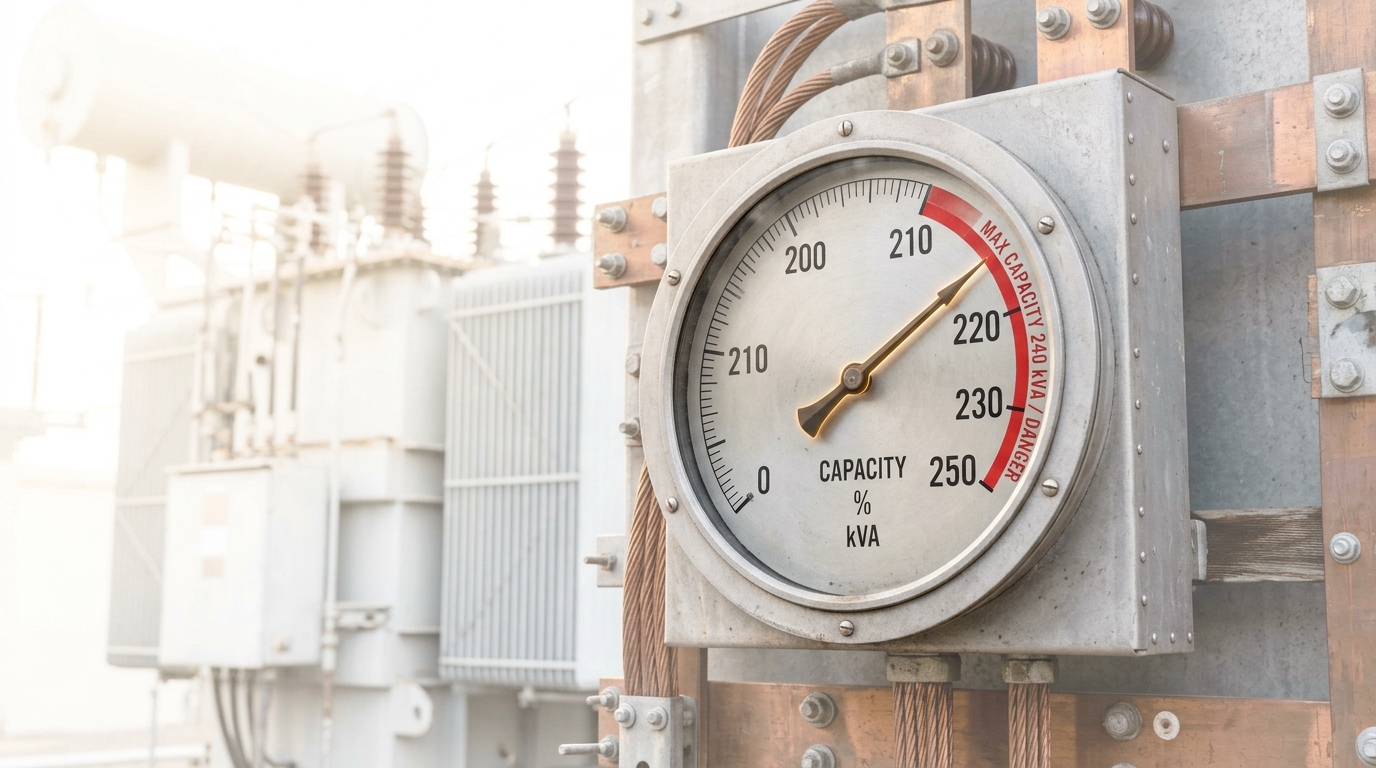
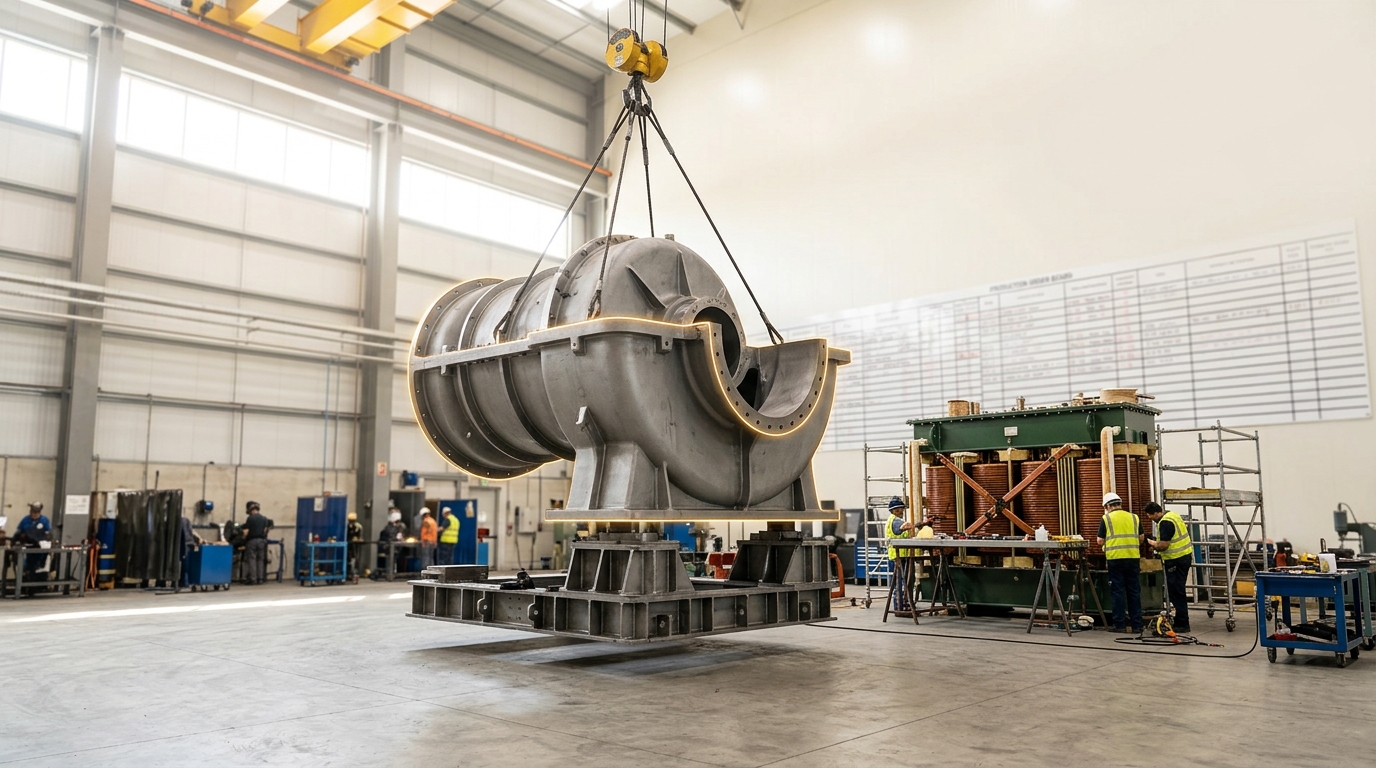
This cohort’s power-infrastructure briefings establish that transformers and generators, not chips, are the tightest lead-time bottleneck on new AI datacenters. This briefing names the companies actually supplying that equipment, and profitting enormously from the shortage: GE Vernova, Siemens Energy, and Hitachi Energy — none of which appears in the vast majority of AI hardware coverage, despite backlogs that dwarf many chip companies covered elsewhere in this cohort.
The numbers
GE Vernova’s gas-turbine backlog hit 100 gigawatts in Q1 2026, with the company expecting at least 110GW of orders and slot reservations by year-end. Q1 2026 Electrification orders alone reached $2.4 billion in data-center equipment — more than the entirety of the prior year combined — pushing total company backlog to roughly $163 billion [4]. Siemens Energy reports a record order backlog of roughly €136 billion, and is described as effectively sold out into the early 2030s, with hundreds of billions in planned gas-plant projects reportedly at risk of delay because no manufacturer can deliver equipment fast enough [1].
Hitachi Energy’s response: building new capacity from scratch
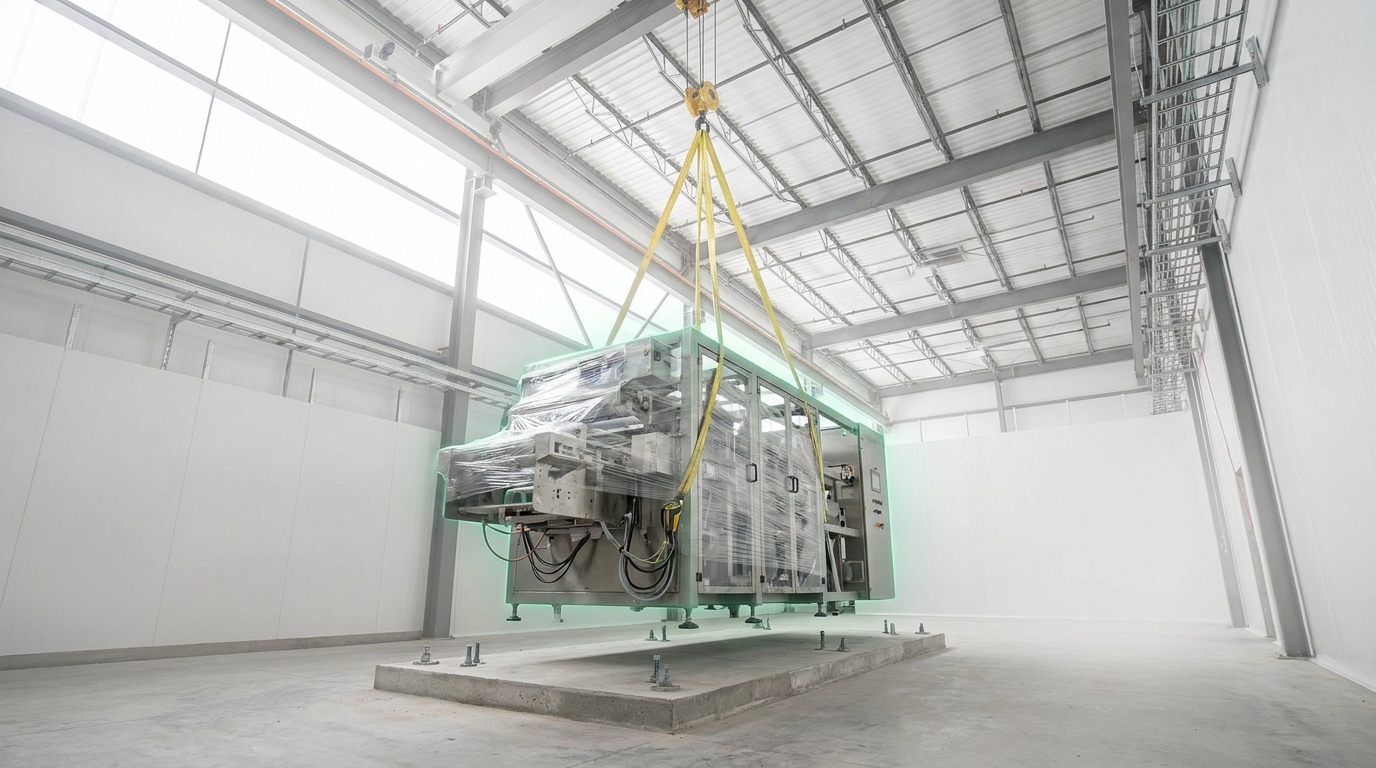
Hitachi Energy has committed more than $1 billion to US production specifically, including a new plant in South Boston, Virginia, due online in 2028 — a timeline that itself illustrates this cohort’s recurring theme of multi-year lead times on new manufacturing capacity, mirroring the 18-24 month wafer lead times and years-long fab construction timelines covered throughout this cohort’s foundry and materials tracks. Siemens is separately expanding transformer manufacturing capacity in North Carolina [1].
Why this shortage is being described as a multi-year delay risk
One industry analysis frames the situation starkly: a “forgotten metal supply chain” — the copper, steel, and specialized manufacturing capacity behind transformers — could delay the broader AI buildout by more than four years relative to currently announced timelines [3]. That framing is consistent with this cohort’s own transformer lead-time briefing, which documents 128-week average waits, but it extends the implication further: the delay risk isn’t a one-time adjustment, it compounds as demand continues outpacing new manufacturing capacity additions that themselves take years to come online.
Why these companies deserve equal billing with the chip vendors
Every dollar of the $180 billion-plus combined backlog documented here exists because of AI datacenter demand, precisely as directly as Nvidia’s or TSMC’s revenue does — yet these three companies receive a small fraction of the media attention. A complete account of who is actually profiting from the AI boom, which this cohort has tried to provide across its equipment, materials, and now power-infrastructure tracks, has to include the turbine and transformer makers as first- tier beneficiaries, not a footnote mentioned only when a specific shortage makes headlines.
Why these stocks trade on a different rhythm than chip stocks
This cohort’s markets-and-valuation track documents chip stocks trading on quarterly earnings surprises and forward guidance tied closely to product cycles. GE Vernova, Siemens Energy, and Hitachi Energy’s order backlogs, by contrast, already provide multi-year revenue visibility — Hitachi Energy, Siemens Energy, and GE Vernova’s combined backlog is described as carrying six or more years of revenue visibility. That is a fundamentally different risk profile than a chip company whose backlog can turn over in a matter of quarters, and it is worth readers factoring in separately when comparing these companies’ investment characteristics against the more familiar chip-sector names covered throughout the rest of this cohort.
The knock-on effect for everyone else waiting on the same factories
Because these three companies’ capacity is now overwhelmingly allocated toward AI-datacenter- driven orders, other sectors that also depend on turbines and transformers — conventional grid maintenance, industrial electrification projects, renewable energy buildouts — are competing for the same constrained manufacturing capacity. That spillover, largely invisible in AI-focused coverage, is a real cost the broader economy is absorbing as a side effect of the AI boom’s power demands, a dynamic worth naming even though it falls outside this cohort’s primary chip-industry focus.