The short version
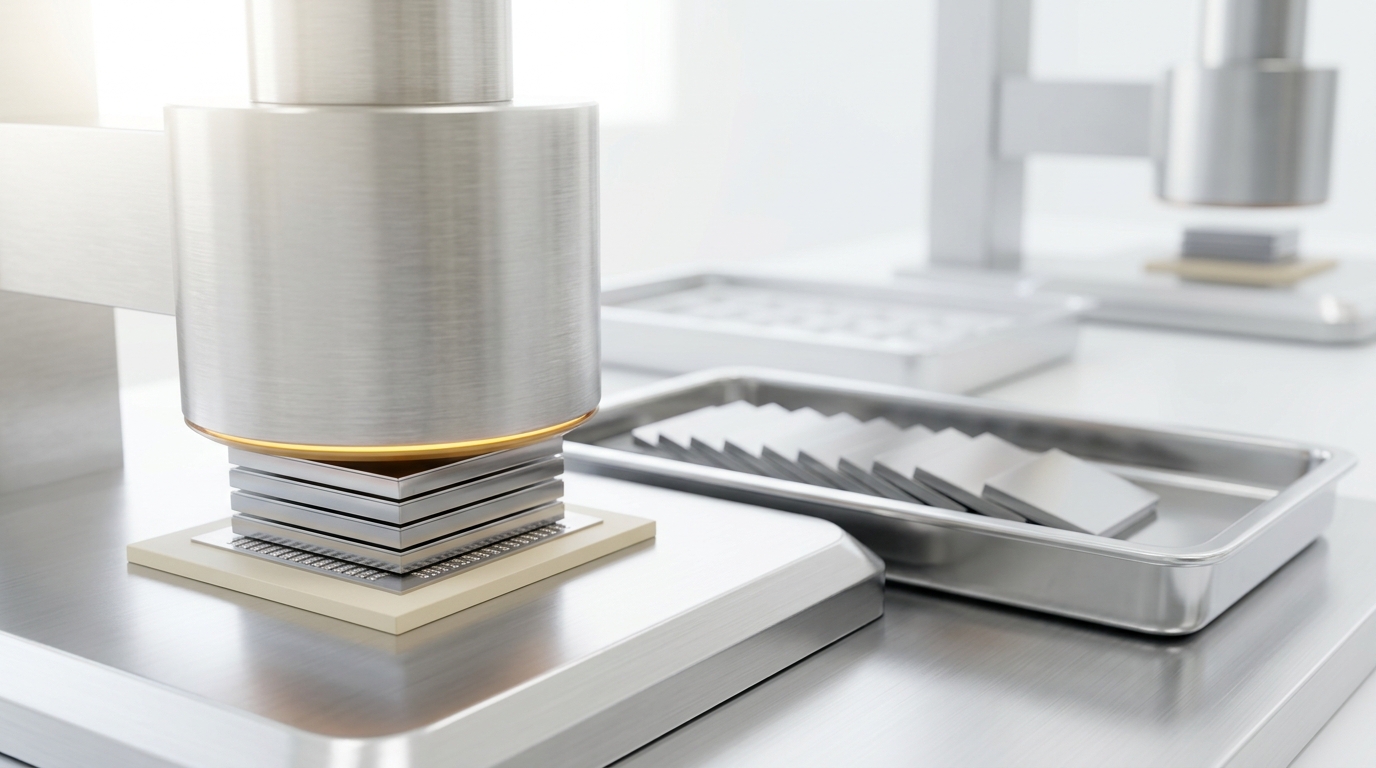
Nvidia never sold you anything directly. You still paid more for your last laptop, phone, or SSD because of the AI boom, and the mechanism connecting the two is short enough to explain in one paragraph: the high-bandwidth memory (HBM) stacked onto AI accelerators and the ordinary DRAM inside a laptop are made in the same kind of factories, by the same three companies — SK hynix, Samsung, and Micron — using overlapping production capacity. When those companies choose to dedicate more of that shared capacity to HBM, because HBM sells at a far higher price and is in even more desperate shortage, there is less capacity left for ordinary consumer DRAM. Less supply, at unchanged or rising demand, means higher prices — for you, not for anyone buying an accelerator.
Why “just wait for a sale” doesn’t really apply here
Ordinary consumer electronics discounting cycles — holiday sales, end-of-generation clearances — are built around a manufacturer trying to move existing inventory before a newer model arrives. That logic assumes the manufacturer’s own input costs are roughly stable. When the input cost itself is rising quarter over quarter, as the memory pricing data below shows it is, a manufacturer has much less room to discount without selling at a loss, and the usual seasonal patterns a shopper might time a purchase around become less reliable guides than they normally would be.
The numbers behind it
This isn’t a vague pass-through story — it shows up directly in reported pricing. DRAM spot prices were reported at nearly triple their year-earlier level by Q4 2025. DDR5 contract prices rose 30-50% per quarter through the second half of 2025 [1]. Samsung raised memory prices by up to 60% since September 2025 alone [2]. Those are not AI-accelerator prices. They are the ordinary consumer-grade memory prices that flow directly into whatever you buy next with a “16GB RAM” spec sheet line.
Why the fabs can’t just make more of both
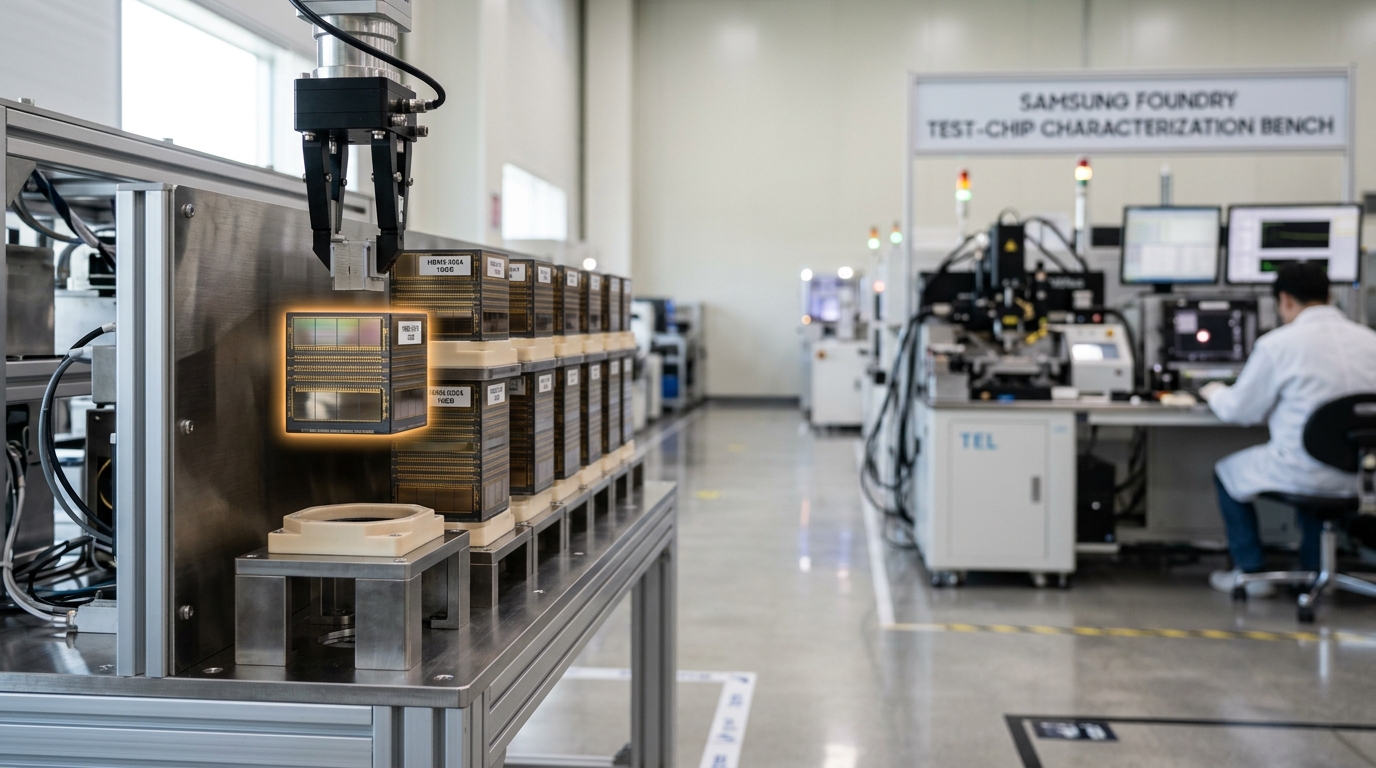
One widely cited industry estimate puts a number on the trade-off directly: every AI-grade HBM chip produced is estimated to displace the capacity to make roughly three ordinary consumer DRAM chips at the same fab [4]. Building an entirely new fab from scratch takes years, so in the short run, memory makers are choosing — quarter by quarter — how much of their existing capacity goes to the far more profitable AI-accelerator memory versus the ordinary consumer memory that ends up in the device you’re reading this on.
What it means for you, plainly
Memory-chip shortages are projected to persist through 2026 at minimum, with some estimates extending well beyond that [3]. If you’re shopping for a new laptop, phone, or upgrade kit anytime soon, the AI accelerator boom is already part of that price tag, whether the retailer mentions it or not — and unlike most consumer price increases, this one has a clean, traceable, one-paragraph explanation sitting behind it.
Why this is different from an ordinary price hike
Most consumer electronics price increases get blamed on inflation, tariffs, or a component shortage specific to that product category, and often the blame is hard for an outside reader to verify. This one is unusually easy to verify, because the mechanism runs through a small number of named, publicly traded companies whose quarterly earnings calls state the relevant numbers directly: how much DRAM and HBM capacity they shipped, at what price, and to which market segment. A reader who wants to check this story rather than take it on faith can look up SK hynix’s, Samsung’s, or Micron’s own quarterly memory segment revenue and see the same shift toward higher-margin HBM described here, in the companies’ own reported numbers.
What, if anything, brings the price back down
The price pressure eases only when one of two things happens: total memory-fab capacity expands enough that HBM and consumer DRAM stop directly competing for the same production lines, or AI accelerator demand growth slows enough that memory makers no longer need to keep shifting capacity toward HBM at consumer DRAM’s expense. Neither looks imminent as of this briefing — new fab capacity takes years to bring online, and accelerator demand shows no sign of slowing in the data this cohort’s other memory briefings track. The more realistic near-term outcome is that consumer memory prices stay elevated for the next several product cycles, making this less a temporary spike to wait out and more a new, higher baseline to plan a purchase around.