The missing piece of the reshoring story
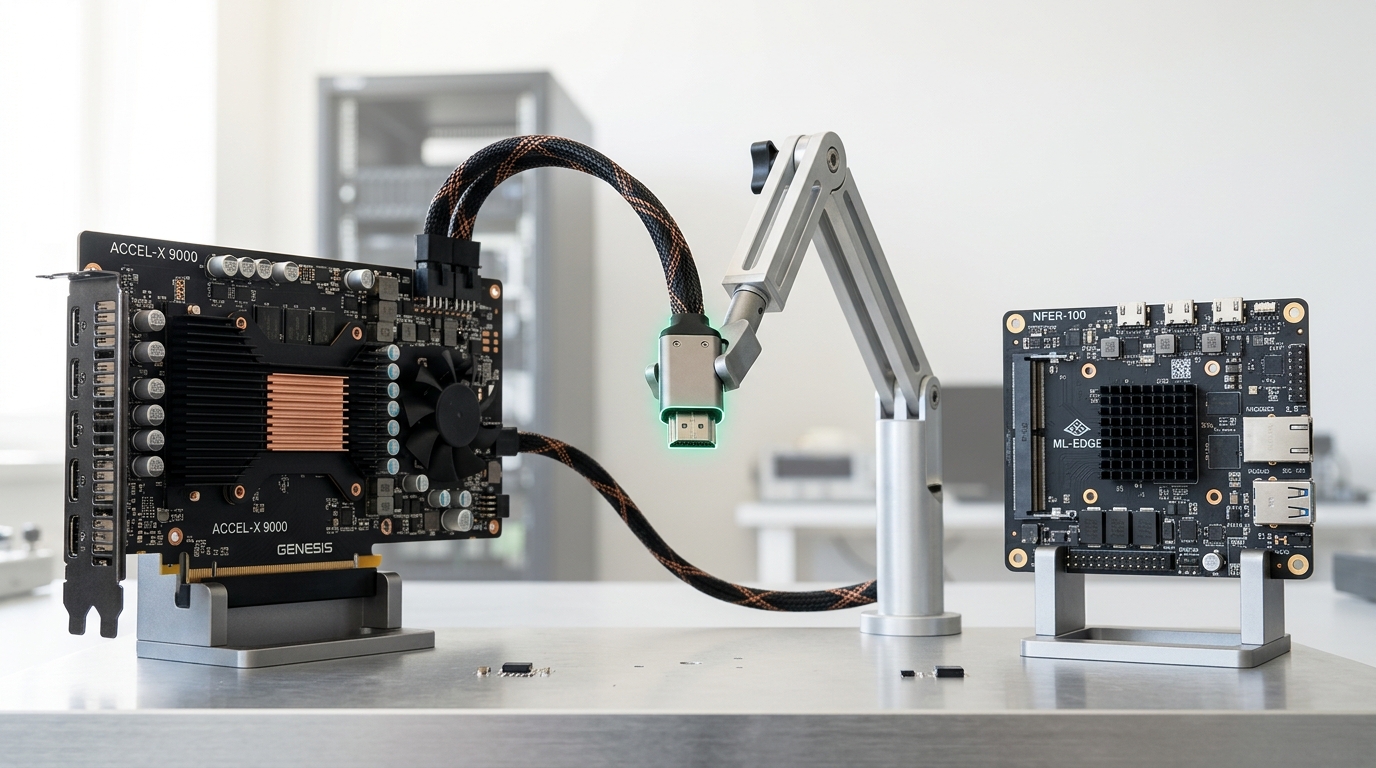
This cohort’s TSMC Arizona briefing covers a $265 billion commitment to build wafer fabs on US soil. A wafer fab alone does not complete a domestic chip supply chain — the packaging and test step covered in this cohort’s ASE Technology briefing still has to happen somewhere, and historically that has meant shipping finished wafers overseas even when they were fabricated in the United States. Amkor, the second-largest OSAT company globally and the only one covered in this cohort headquartered and listed in the US, is building the piece that would close that gap [1].
The specific investment
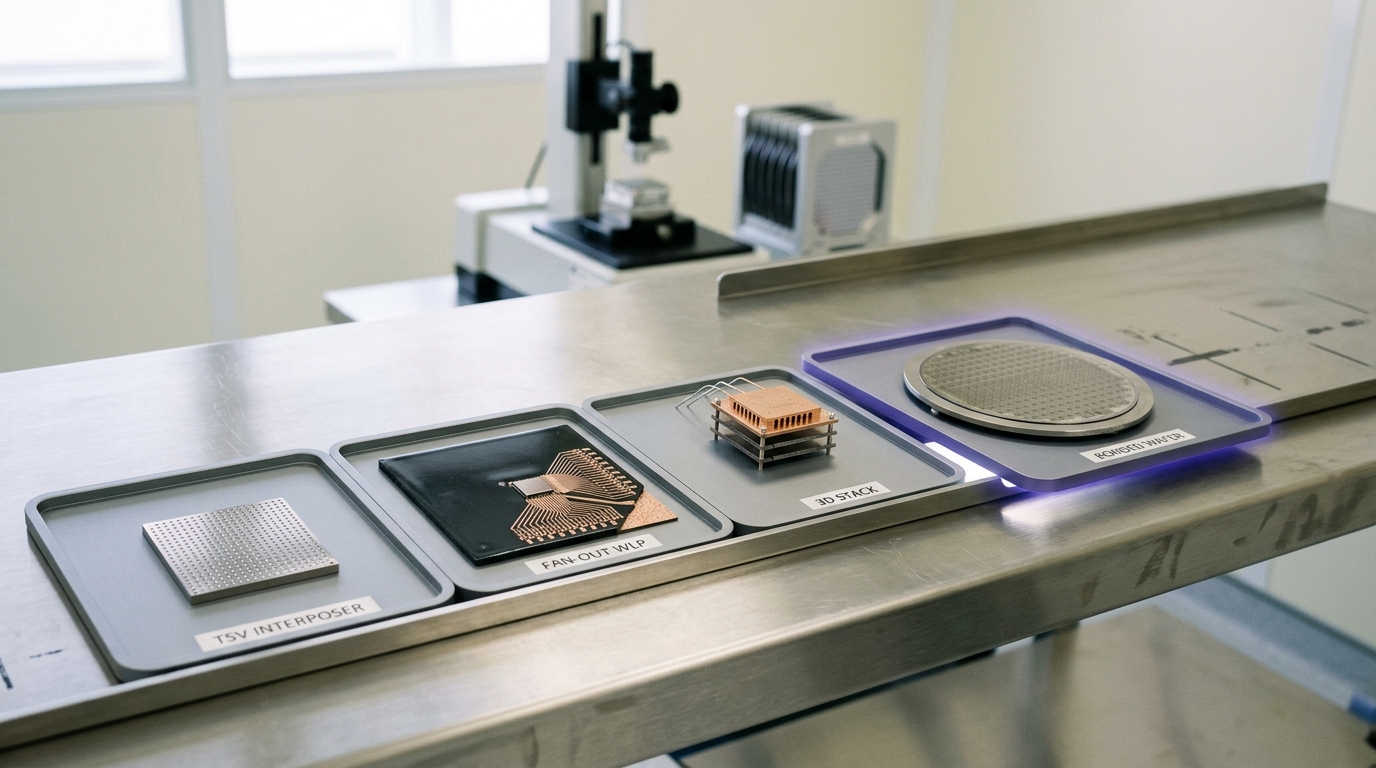
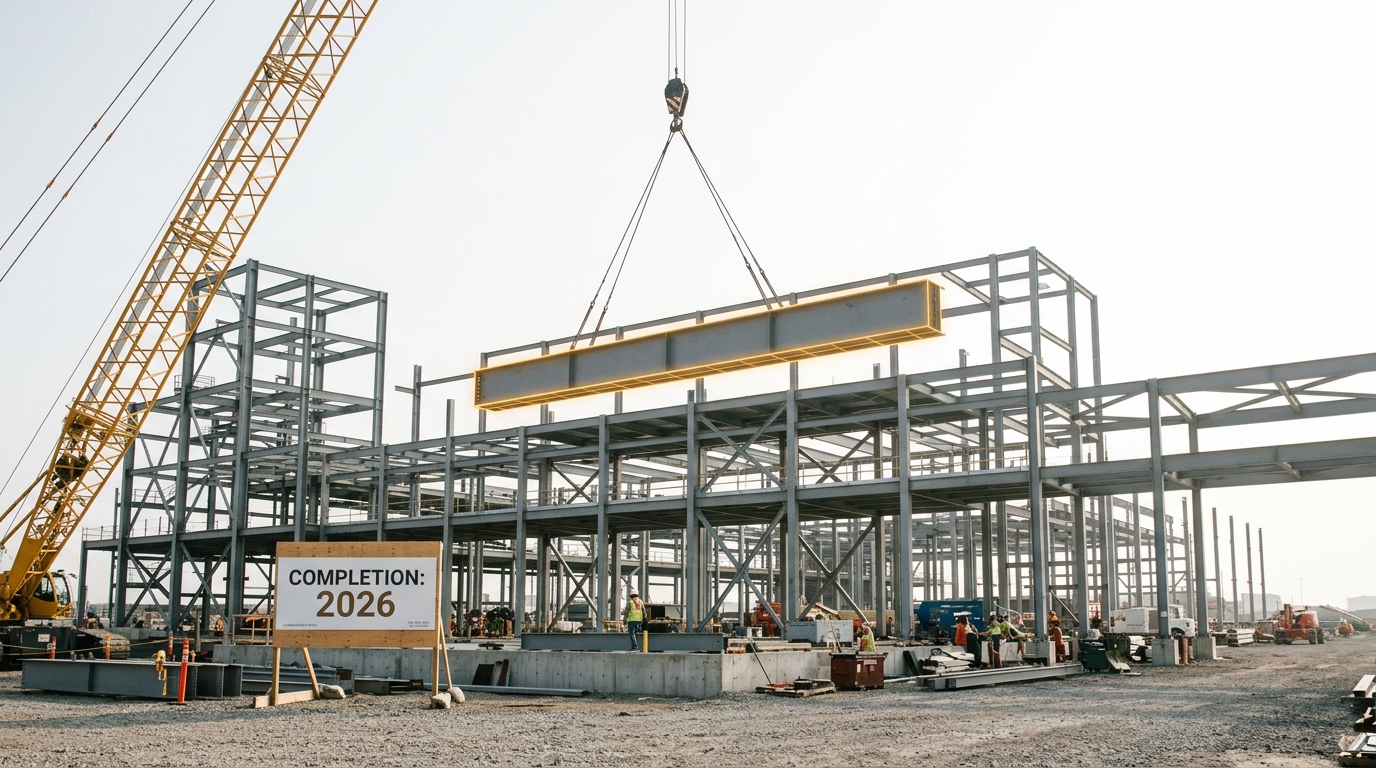
Amkor is investing $7 billion in a large campus in Peoria, Arizona, to provide turnkey advanced packaging and test services — including licensed access to TSMC’s InFO and CoWoS- adjacent technologies, the same advanced-packaging capabilities covered in this cohort’s TSMC foundry briefings [2]. That licensing arrangement is itself notable: rather than developing entirely independent advanced-packaging technology, Amkor is building domestic capacity around processes compatible with TSMC’s own, positioned to serve TSMC’s Arizona fab customers directly.
Why proximity to TSMC’s fabs is the whole point
TSMC’s own Arizona buildout explicitly targets what coverage describes as an “AI packaging bottleneck,” with some of its capacity aimed at packaging capability specifically, in addition to wafer fabrication [3]. Amkor’s Peoria campus, built near that same regional cluster, is a direct complement rather than a competing bet: a wafer fabricated at TSMC’s Arizona fab could, in principle, move to Amkor’s nearby facility for packaging and test without ever leaving the country or even the region — the first time that complete a domestic chain has been realistically possible in the modern semiconductor industry’s history.
What Amkor is competing against, and why the framing matters
Coverage of Amkor’s buildout explicitly frames it as “reemerging to take on ASE,” language that positions Amkor’s Arizona investment as a competitive challenge to the OSAT market leader covered in this cohort’s companion briefing, not merely a passive beneficiary of US reshoring policy [2]. Amkor is a genuine, capable competitor in its own right, not a policy-created placeholder — a distinction worth making given how easily “domestic alternative” framing can imply a company is less commercially serious than the incumbent it’s positioned against.
What still stands between this and a genuinely complete supply chain
A wafer-to-package chain running entirely through Arizona would still depend on inputs this cohort documents as concentrated elsewhere: silicon wafers from Japan’s Shin-Etsu and SUMCO, EUV lithography tools from the Netherlands’ ASML, and HBM memory predominantly from Korea’s SK hynix and Samsung. Amkor’s and TSMC’s Arizona buildouts close the packaging and fabrication gap specifically; they do not, on their own, make the US supply chain independent of the broader global equipment and materials network this cohort’s other briefings document in detail [4].
Why “complete supply chain” is a matter of degree, not an on/off switch
It is worth resisting the temptation to declare a domestic US chip supply chain either fully “achieved” or entirely absent — the honest picture is a matter of degree, improving with each piece like Amkor’s Arizona campus that closes a specific gap. A wafer that starts as Japanese silicon, is fabricated at a TSMC Arizona fab, and is packaged at Amkor’s nearby campus represents a meaningfully shorter, more resilient chain than one requiring an intercontinental shipment between fabrication and packaging, even if the raw material and equipment inputs remain globally sourced. Readers should track supply-chain resilience claims on this same graduated basis rather than expecting or demanding an all-or-nothing outcome from any single company’s investment.
The jobs and expertise this buildout actually requires
Beyond the capital investment itself, Amkor’s Arizona campus requires building a domestic workforce with advanced-packaging expertise that, until recently, existed almost entirely in Asia — the same skills-pipeline challenge this cohort’s Intel and TSMC Arizona briefings note as a less-discussed constraint alongside the more visible capital and construction timelines. How quickly that expertise base develops domestically is as much a determinant of the campus’s eventual success as the physical construction schedule itself, and it is a factor far less visible in press coverage than a construction timeline or an investment dollar figure, precisely because workforce development happens gradually and privately rather than at a single announceable milestone.