Not Every AI Chip Story Is About the Datacenter
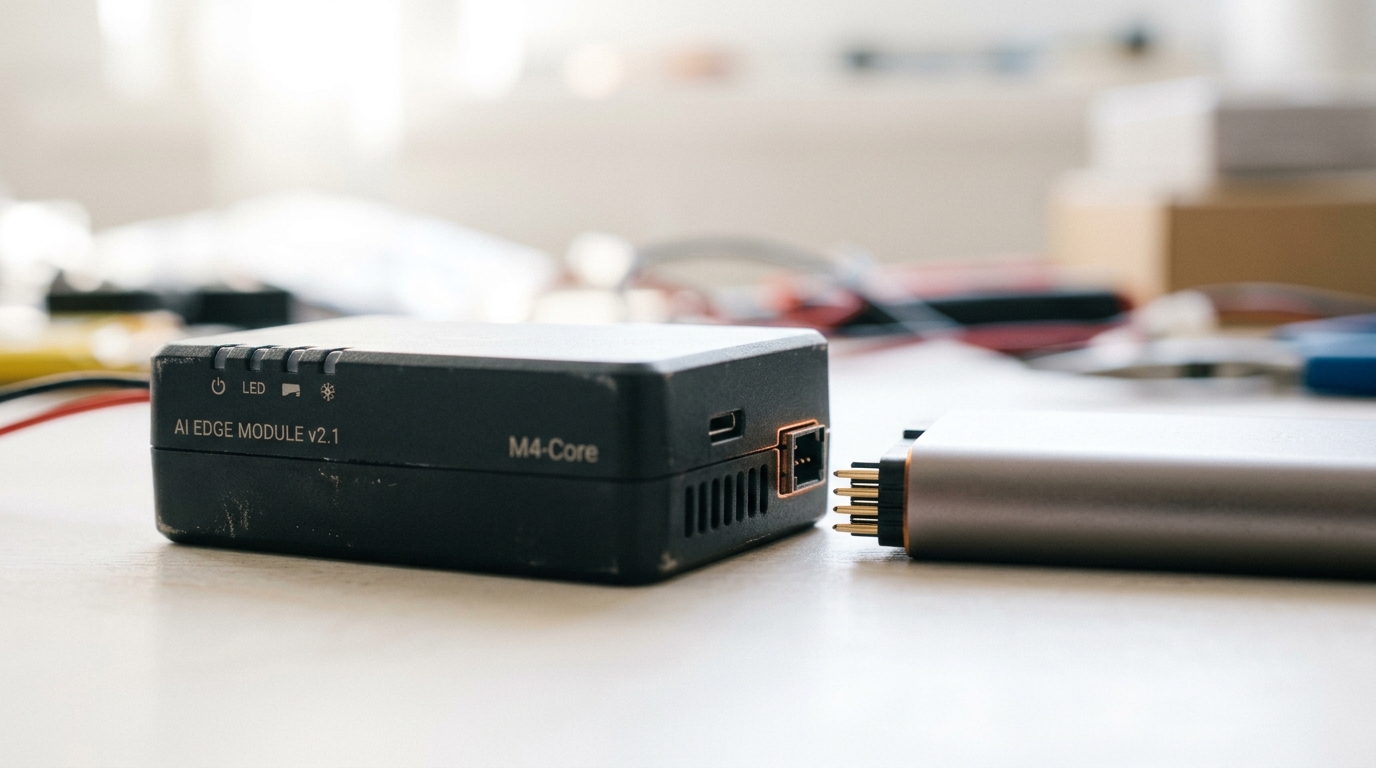
While most of this cohort tracks gigawatt-scale datacenter deals, SiMa.ai is building AI chips meant to run inside a camera, a robot, or a car — nowhere near a datacenter at all.
Tagged AI inference · show all articles
While most of this cohort tracks gigawatt-scale datacenter deals, SiMa.ai is building AI chips meant to run inside a camera, a robot, or a car — nowhere near a datacenter at all.
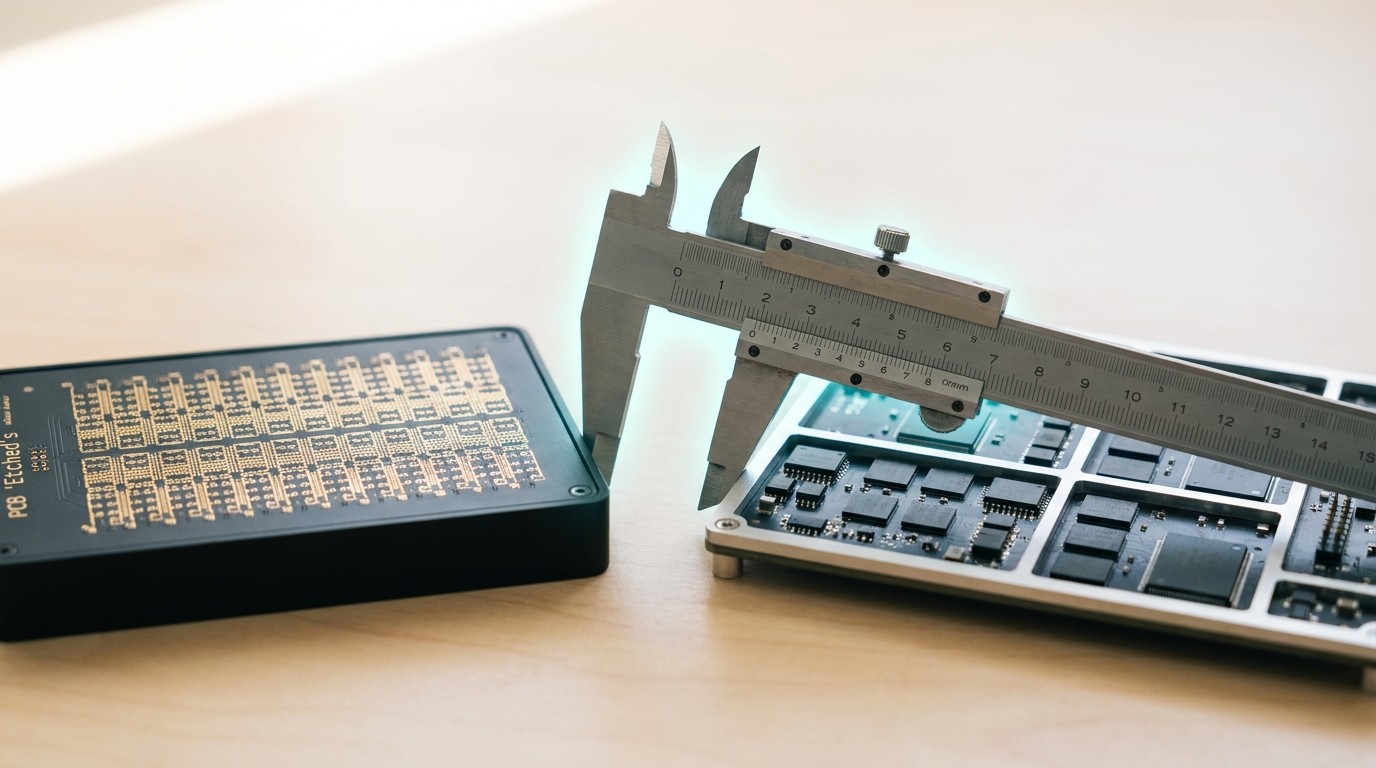
Most accelerators run a fixed circuit and make the software adapt to it. SambaNova's reconfigurable dataflow architecture does the opposite — reshaping the hardware itself around whatever model it's running.
Qualcomm built an empire on mobile chips it doesn't fully control the ceiling of. Moving into AI datacenter inference is a bet on a market with no such ceiling — and a much more crowded field of competitors already established there.
Most accelerator startups covered in this cohort hedge toward flexibility. Positron went the other way — a chip that does inference and nothing else, betting that specialization beats generality even against Nvidia.
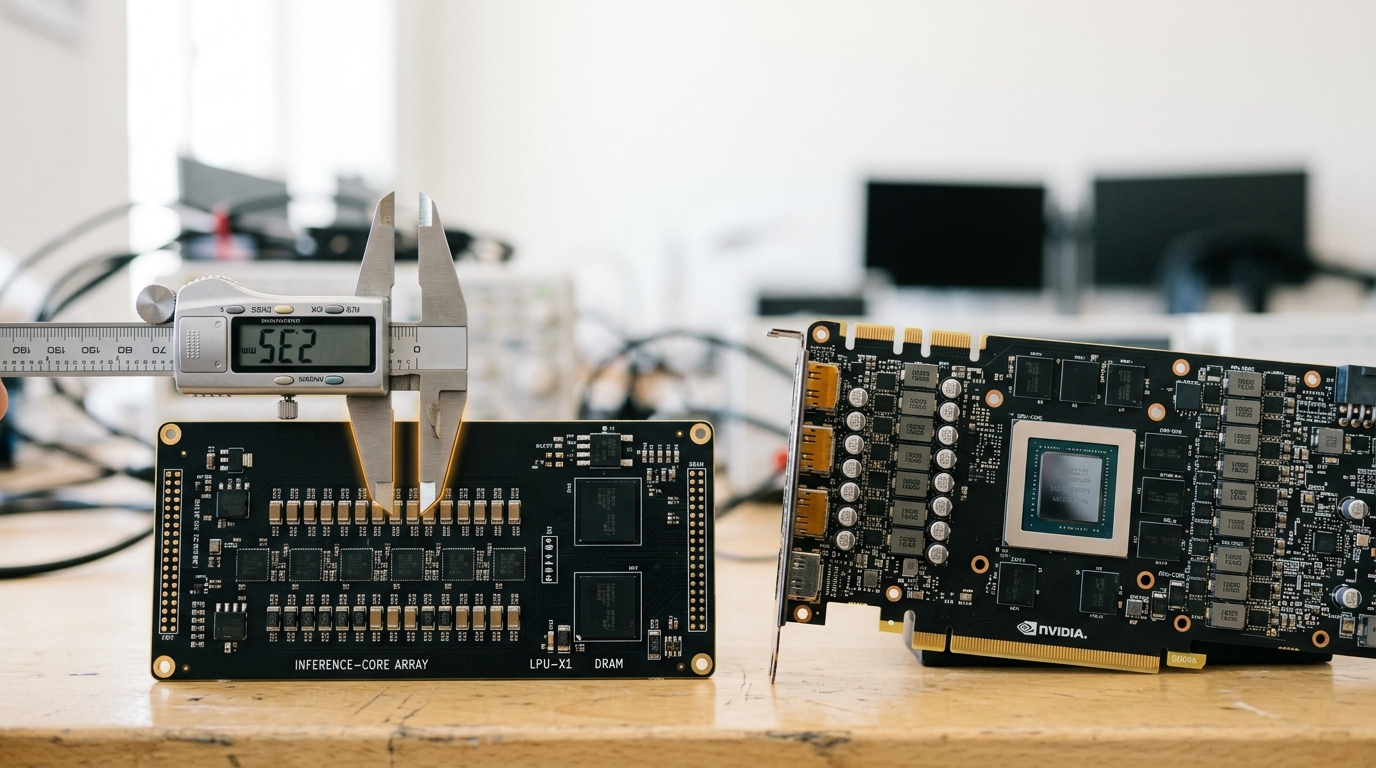
Groq built its entire business on the argument that GPUs are the wrong architecture for AI inference. Nvidia's reported move into Groq's technology is either the smartest hedge in the industry or a quiet admission the argument was right.
Groq built its whole identity on the claim that GPUs are the wrong chip for AI inference. Then Nvidia got involved. Here's the short version.
AMD's absorption of inference-chip startup Untether didn't make headlines the way a multi-gigawatt hyperscaler deal does. It may say more about where AMD thinks the accelerator market is actually headed.