The market this cohort mostly doesn’t cover
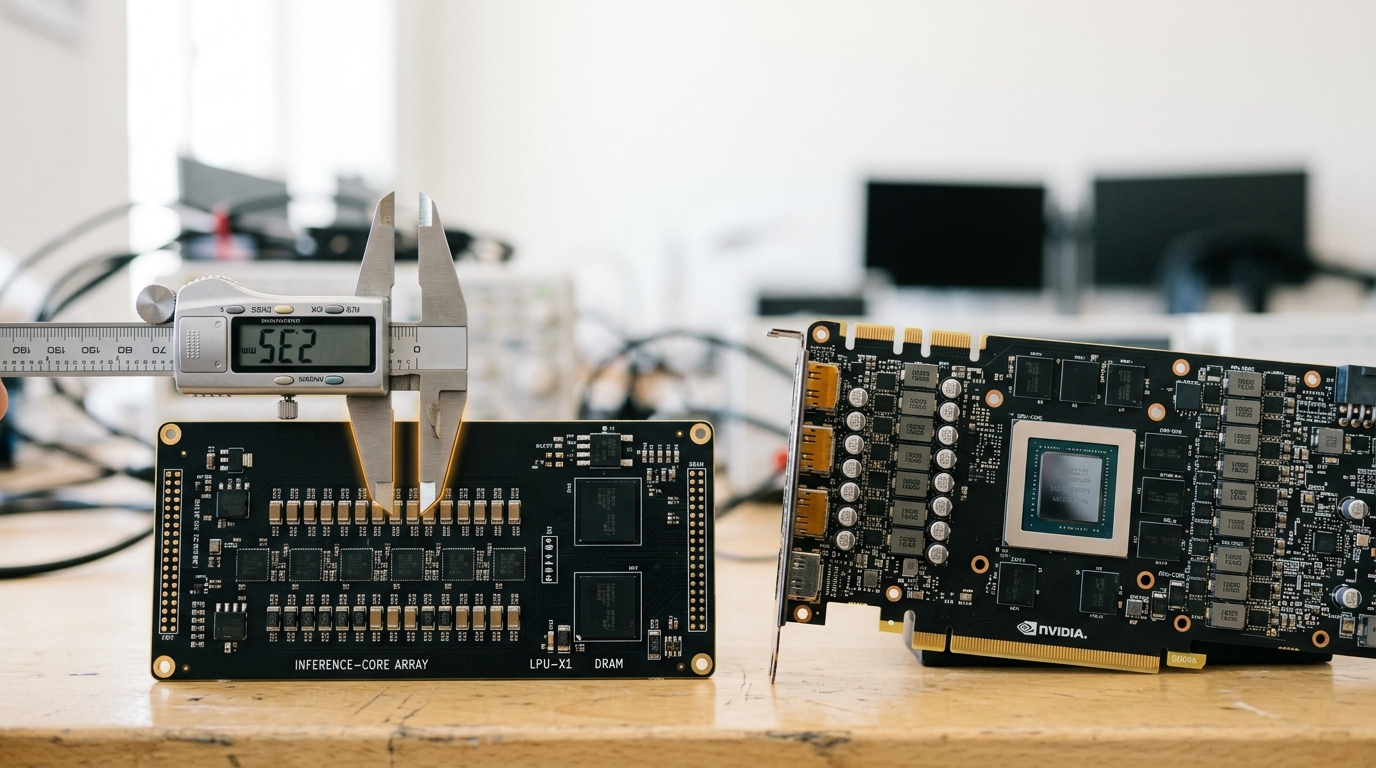
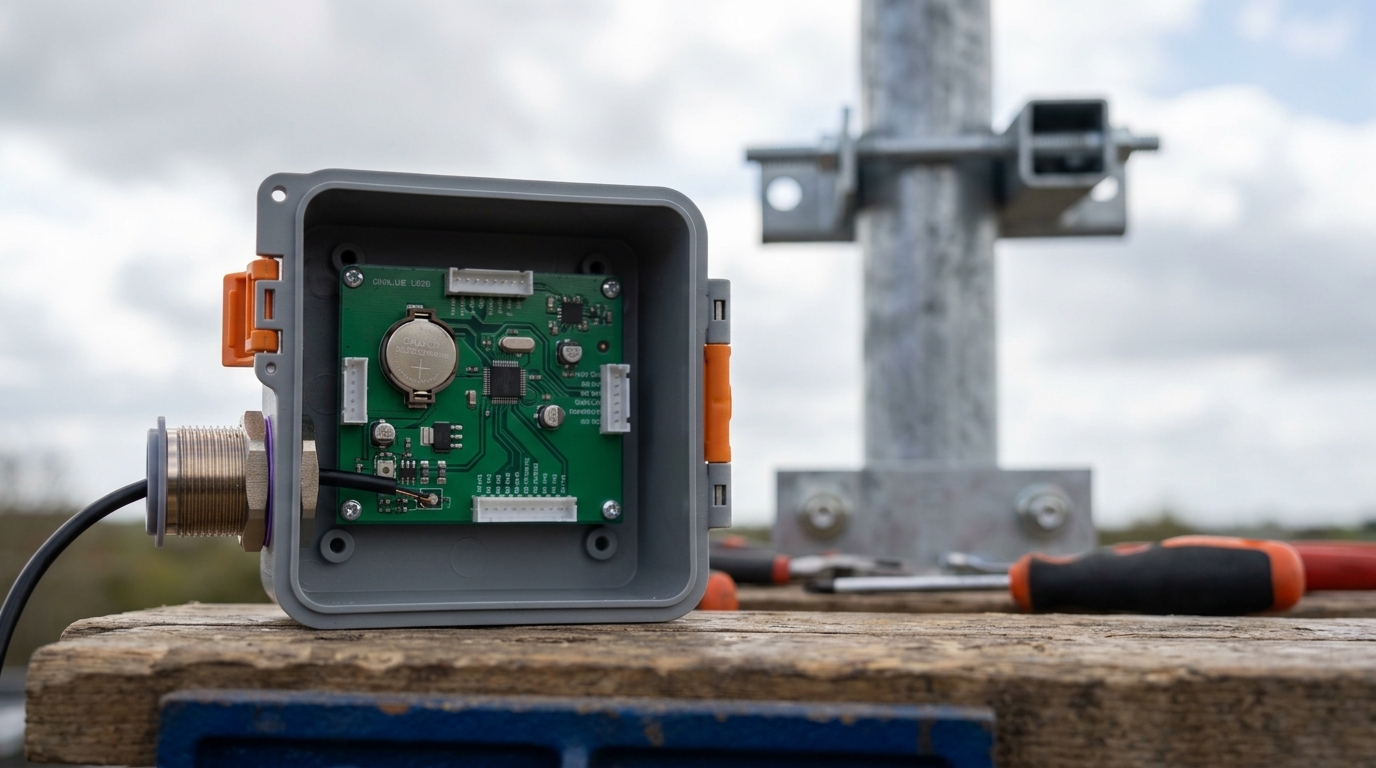
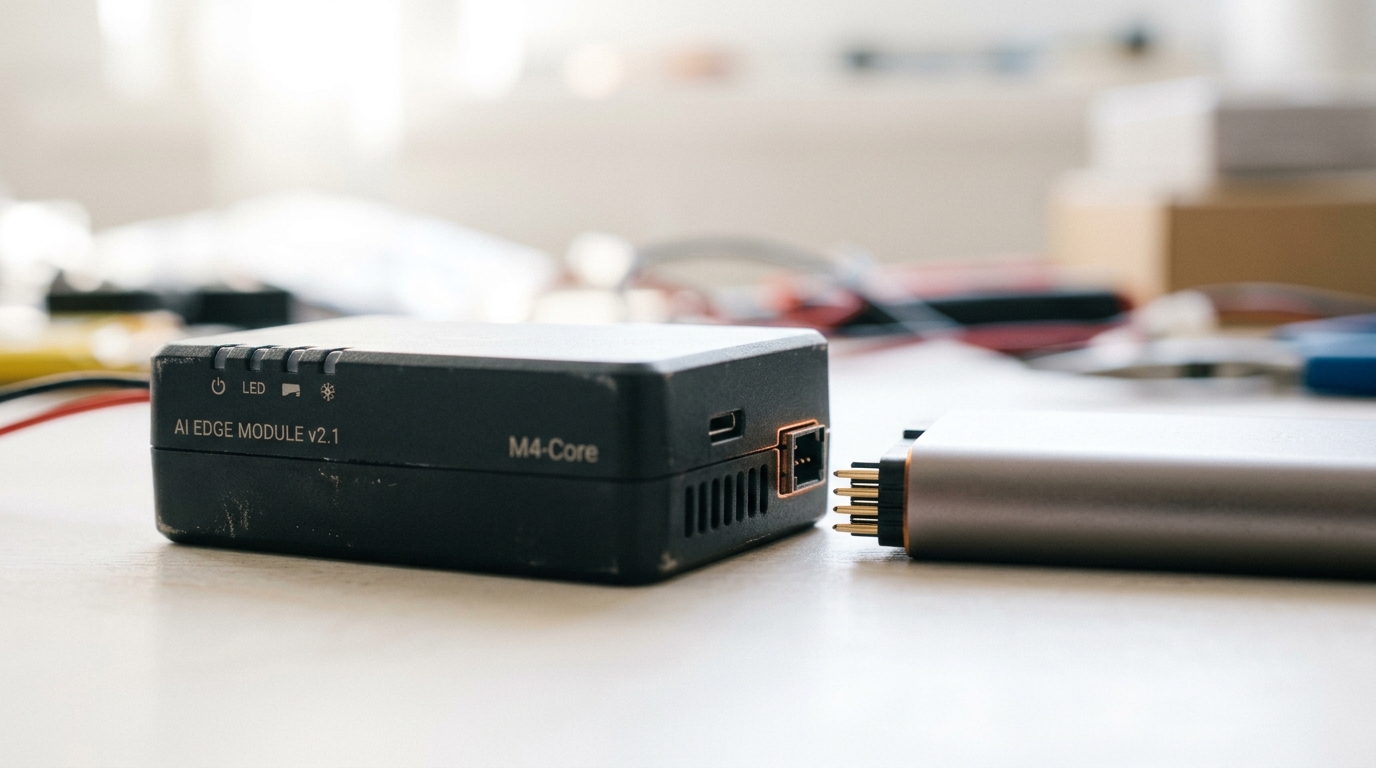
This cohort’s accelerator and startup briefings overwhelmingly concentrate on datacenter-scale AI compute — gigawatt power deals, rack-scale accelerators, HBM-stacked memory. SiMa.ai builds for the opposite end of the deployment spectrum: edge inference silicon designed to run AI models directly inside power- and space-constrained devices — cameras, robots, industrial sensors, vehicles — with no datacenter connection required at inference time at all [2].
Why edge inference runs on entirely different constraints
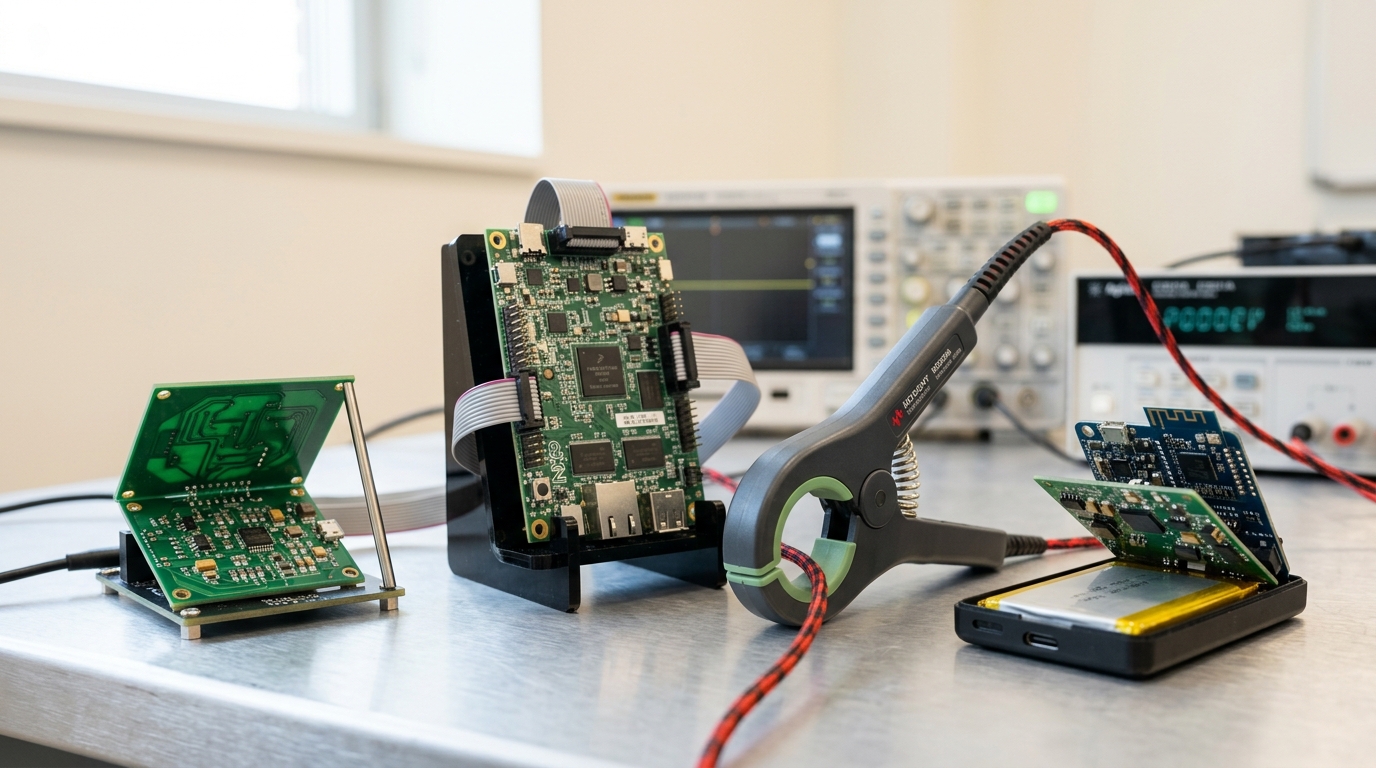
This cohort’s power-infrastructure briefings establish that AI datacenters in 2026 are severely constrained by grid interconnection capacity, with power capacity, not chip supply, the binding limit on deployment [4]. Edge inference chips like SiMa.ai’s operate under the opposite constraint entirely: not grid capacity, but a device’s own battery life and thermal budget, often measured in single-digit watts rather than the kilowatts a datacenter rack consumes. A chip optimized for that environment has almost nothing in common, at the hardware level, with a chip optimized for a liquid-cooled datacenter rack — different memory architecture, different power delivery, different manufacturing process node choices, all driven by a completely different physical deployment environment.
Why this market is genuinely large despite the lack of headlines
Edge inference deployments — security cameras, industrial automation sensors, autonomous vehicle subsystems, robotics — collectively represent an enormous unit volume opportunity, even though no single edge deployment generates a gigawatt-scale headline the way a hyperscaler datacenter deal does. Industry startup rankings place SiMa.ai among the established, credible players specifically in this edge category, distinct from the datacenter-focused inference specialists covered in this cohort’s other startup briefings [3].
Why SiMa.ai doesn’t compete directly with most of this cohort
Because edge and datacenter inference operate under such different physical constraints, SiMa.ai is not meaningfully competing head-to-head against Groq, Cerebras, or SambaNova for the same customer decisions — a company deploying AI inference inside a battery-powered camera was never going to consider a wafer-scale datacenter chip in the first place. This is a useful reminder for readers building a mental map of the entire AI-chip landscape this cohort surveys: “the AI chip market” is not one market with one set of competitors, but several structurally distinct markets that happen to share the broader label, each with its own constraints, customers, and competitive dynamics [1].
What determines success in this specific market
Success for an edge-inference chip vendor is measured less by peak throughput, the metric most of this cohort’s datacenter-focused briefings track, and more by performance-per-watt and total unit cost at high volume — a camera or sensor manufacturer integrating SiMa.ai’s silicon cares about squeezing usable AI inference out of a tiny power and cost budget across potentially millions of deployed units, not about matching a datacenter accelerator’s raw compute capability. That different scoring system is worth keeping in mind whenever edge and datacenter AI chip companies get compared as though they were competing on the same axis.
Why volume, not headline deal size, is the real scoreboard here
A single edge-inference design win rarely generates a press release comparable to a gigawatt-scale datacenter agreement, but it can represent millions of individual chip units shipped over a product’s lifetime once a customer’s device reaches mass production — a camera manufacturer or automotive supplier integrating SiMa.ai’s silicon into a mainstream product line can generate revenue at a scale that rivals a single large datacenter contract, just distributed across many small transactions rather than one large one. Readers evaluating SiMa.ai’s business against the gigawatt-denominated deals covered throughout the rest of this cohort should adjust their mental model of what a “big win” looks like accordingly, rather than assuming the absence of headline dollar figures means the underlying business opportunity is correspondingly small.
The competitive field specific to edge AI
SiMa.ai’s most direct competitors are not the datacenter-focused companies covered throughout most of this cohort, but other edge-and-embedded silicon vendors, including established semiconductor companies with existing footholds in cameras, industrial sensors, and automotive electronics — some of which overlap with the analog and automotive chipmakers covered in this cohort’s Track K. That different competitive set, rather than Nvidia’s or AMD’s datacenter dominance, is the more relevant frame for evaluating SiMa.ai’s actual market position.