A technology that keeps almost arriving
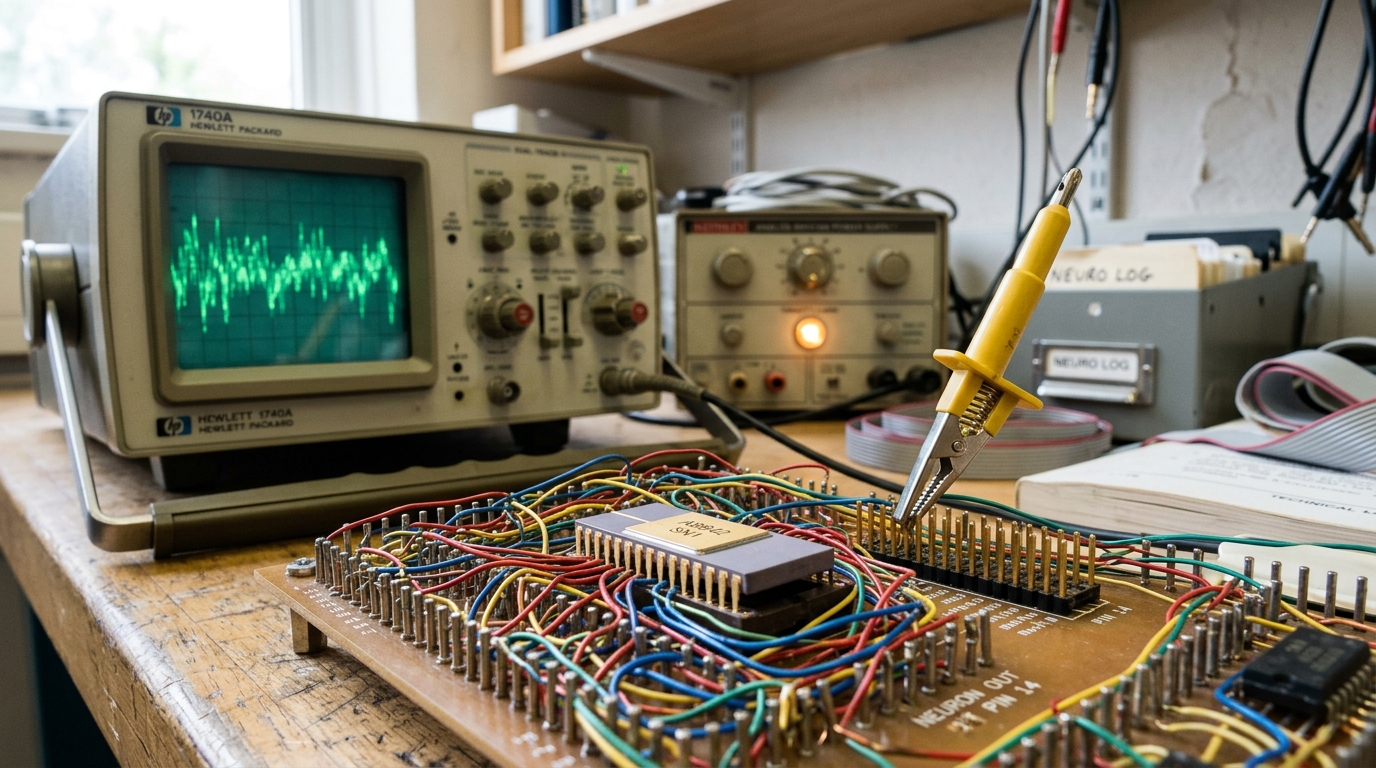
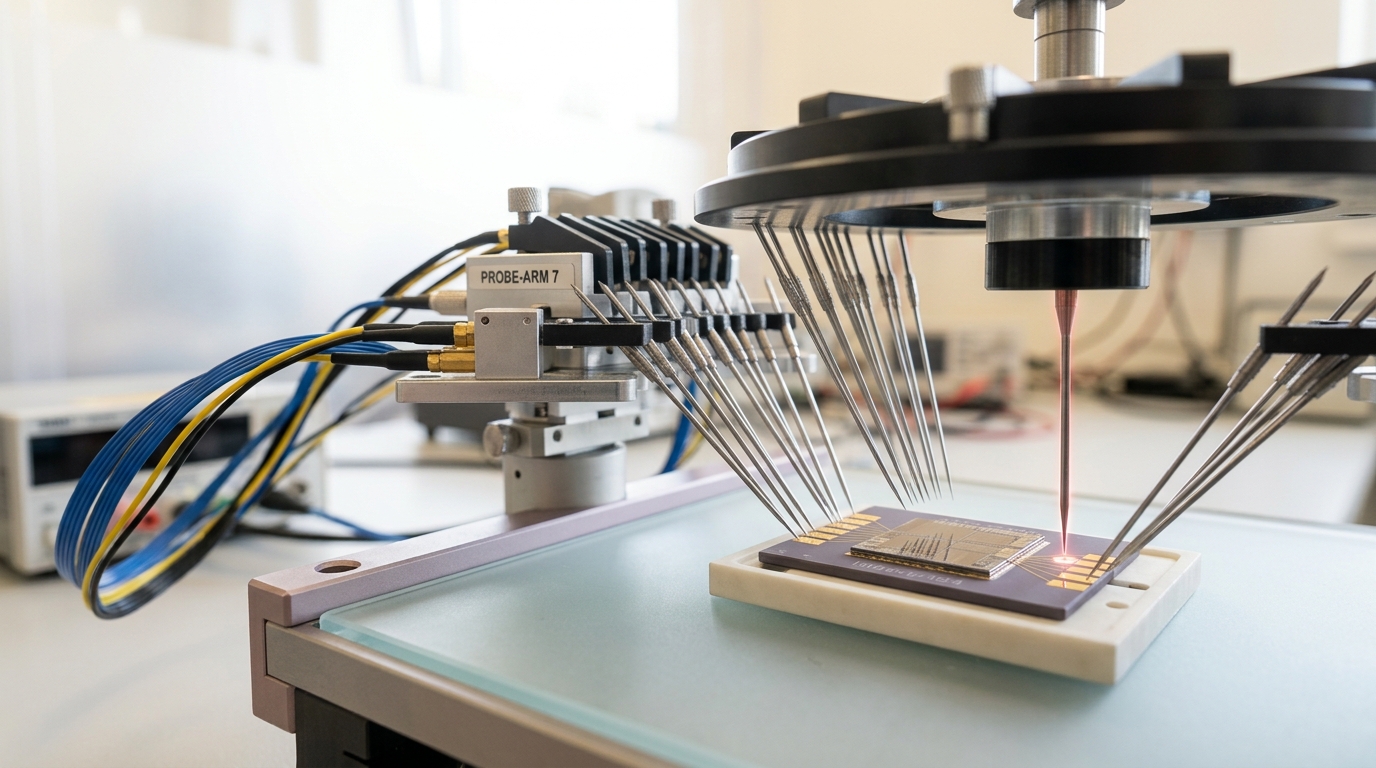
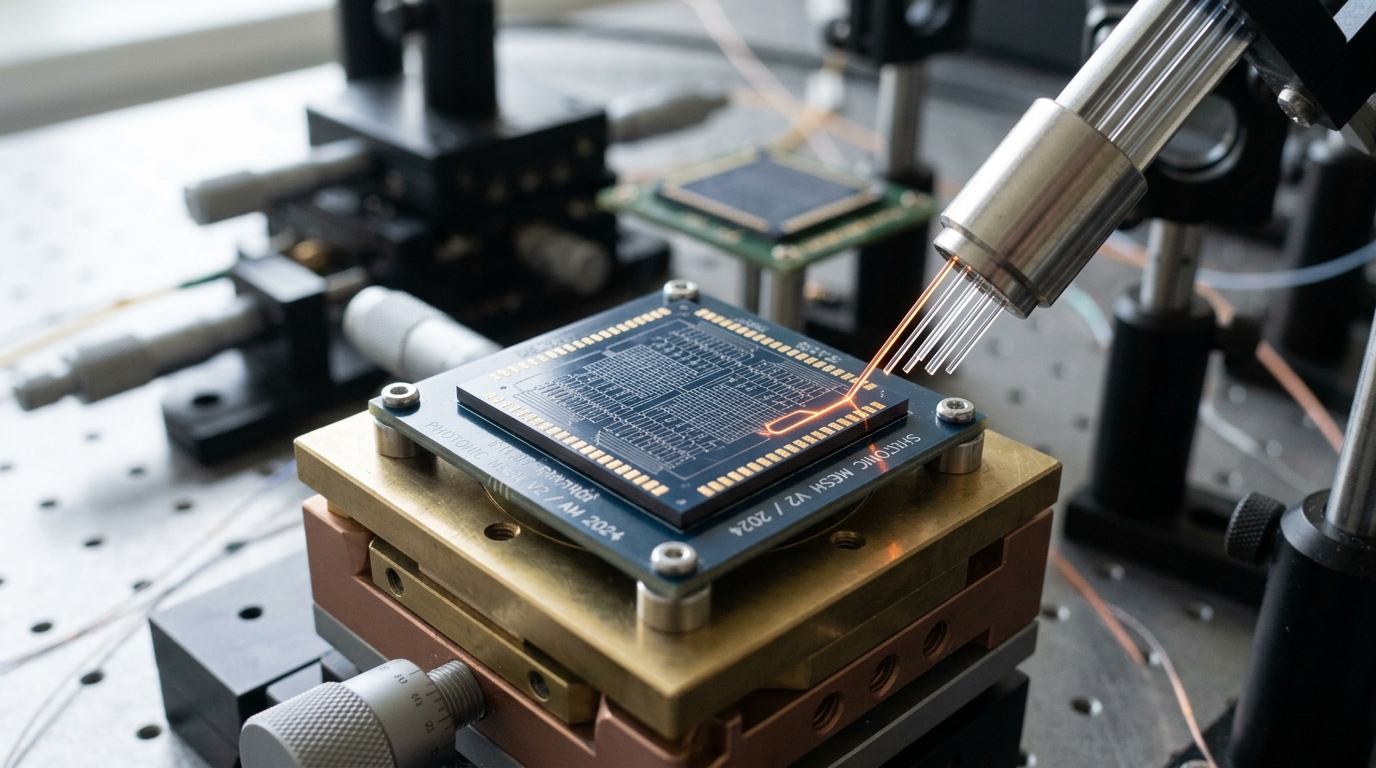
Neuromorphic computing — chip architectures inspired by biological neurons, typically using event-driven “spiking” signals and co-locating memory with compute to avoid the data-movement bottleneck classical architectures suffer from — has been described as “almost breaking through” for close to two decades. This briefing checks where that almost actually stands in 2026, using three of the field’s most credible efforts as the test case.
Intel’s Loihi: real hardware, still a research platform
Intel’s Loihi 3, fabricated on a 4nm process, packs 8 million digital neurons and 64 billion synapses — an eightfold density increase over its predecessor — and introduces 32-bit “graded spikes” capable of encoding more complex information per pulse than earlier binary spiking designs [1]. Despite that genuine technical advance, Loihi remains available primarily through Intel’s Neuromorphic Research Community rather than as a general commercial product sold the way BrainChip’s Akida is [2] — a distinction this briefing treats as load-bearing, not incidental.
IBM NorthPole: a genuinely large efficiency number, on a narrow task
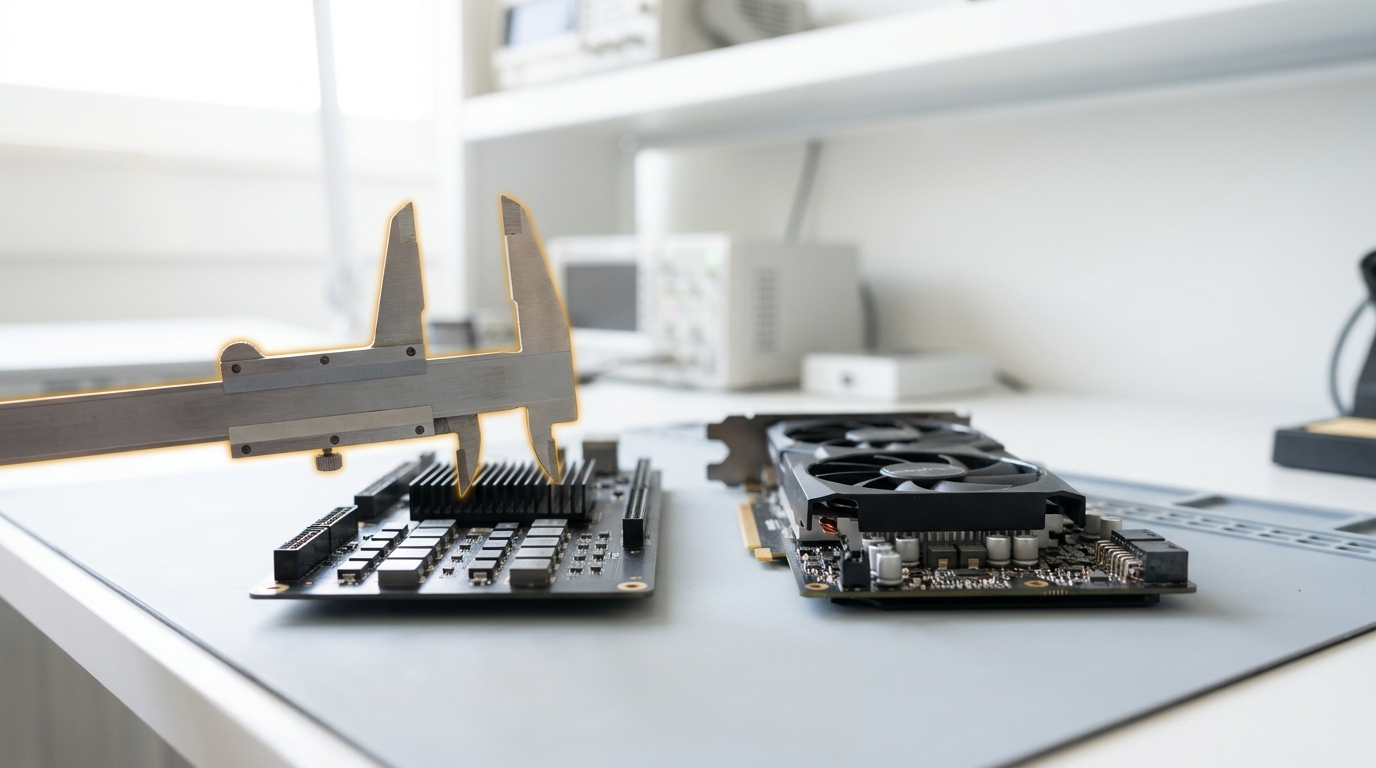
IBM’s NorthPole architecture eliminates off-chip memory access by co-locating memory and compute directly, reportedly achieving up to 25 times the energy efficiency of an Nvidia H100 GPU on image-recognition workloads, and specifically 22x energy efficiency over a GPU on ResNet-50 inference [1]. That is a striking figure worth taking seriously — and also a figure specific to a narrow, well-defined inference benchmark, not a general claim about AI workloads broadly. Neither Intel nor IBM has shipped a production-ready commercial neuromorphic product as of 2026; current deployments remain research partnerships and government contracts [1].
BrainChip’s Akida: the one that actually ships
BrainChip’s Akida is the exception worth naming specifically: it is reported as leading commercial edge deployments among neuromorphic chips, suited to event-based vision workloads like cameras and drones [1]. Akida’s success case is instructive precisely because of how narrow it is — edge, low-power, event-driven sensing applications play directly to neuromorphic architecture’s structural strengths, rather than asking it to compete head-on with GPUs on the dense, general-purpose workloads this cohort’s accelerator track documents Nvidia and its challengers optimizing for.
Why “the enterprise gap” is the right name for the actual problem
Coverage of this space in 2026 increasingly uses the phrase “the enterprise gap” to describe exactly this pattern: strong, verifiable technical results on narrow, well-chosen benchmarks, and no broad enterprise-scale commercial deployment comparable to what this cohort documents for classical GPU and custom-ASIC accelerators [3]. The gap is not a matter of the underlying architecture being fake or the efficiency numbers being wrong — it is a matter of general-purpose software tooling, developer familiarity, and workload flexibility that classical accelerators, aided by two decades of ecosystem investment this cohort’s CUDA history briefing documents directly, still comprehensively outmatch neuromorphic hardware on.
What “still waiting for its moment” actually implies
Some market coverage frames neuromorphic computing as a “$56 billion” opportunity, a figure worth treating with the same skepticism this cohort applies to any single speculative market-size claim without a clearly stated methodology behind it [4]. The more defensible claim this briefing supports directly from its sources: neuromorphic architectures solve a real, narrow set of problems — extreme low-power edge inference chief among them — exceptionally well, while remaining structurally unsuited, at least as of 2026, to displace classical accelerators on the dense, general-purpose training and inference workloads that dominate this cohort’s coverage of where the industry’s capital is actually being spent.
Why the moment keeps almost arriving without quite arriving
Part of what makes neuromorphic computing a genuinely difficult story to tell accurately is that each new generation — Loihi 2 to Loihi 3, NorthPole’s move from research demo to production deployment — produces real, measurable progress, which naturally invites a “this time is different” framing that has, so far, proven premature each previous time it was made over roughly two decades of neuromorphic research. That pattern does not mean the current generation’s progress is illusory; it means the specific claim “neuromorphic computing is about to go mainstream” has a poor track record as a prediction, independent of how genuinely impressive any single generation’s efficiency numbers are in isolation.
The more useful question to ask instead
Rather than asking whether neuromorphic computing will suddenly displace classical accelerators, a more answerable question, consistent with this cohort’s approach to other adjacent technologies like quantum and photonic computing, is which specific narrow niches it captures first and how durably. On that narrower question, the sourced evidence is clearer: extreme-low-power edge inference is already a real, commercially served niche via BrainChip’s Akida, and that niche looks durable precisely because it plays to neuromorphic architecture’s genuine structural strengths rather than asking it to compete on classical accelerators’ own terms.