Broadcom Designs the Chips Behind Six Hyperscalers' Own AI Silicon
Google's TPU, and at least five other hyperscalers' custom accelerators, share a co-designer almost nobody outside the industry can name.
Tagged AI accelerators · show all articles
Google's TPU, and at least five other hyperscalers' custom accelerators, share a co-designer almost nobody outside the industry can name.
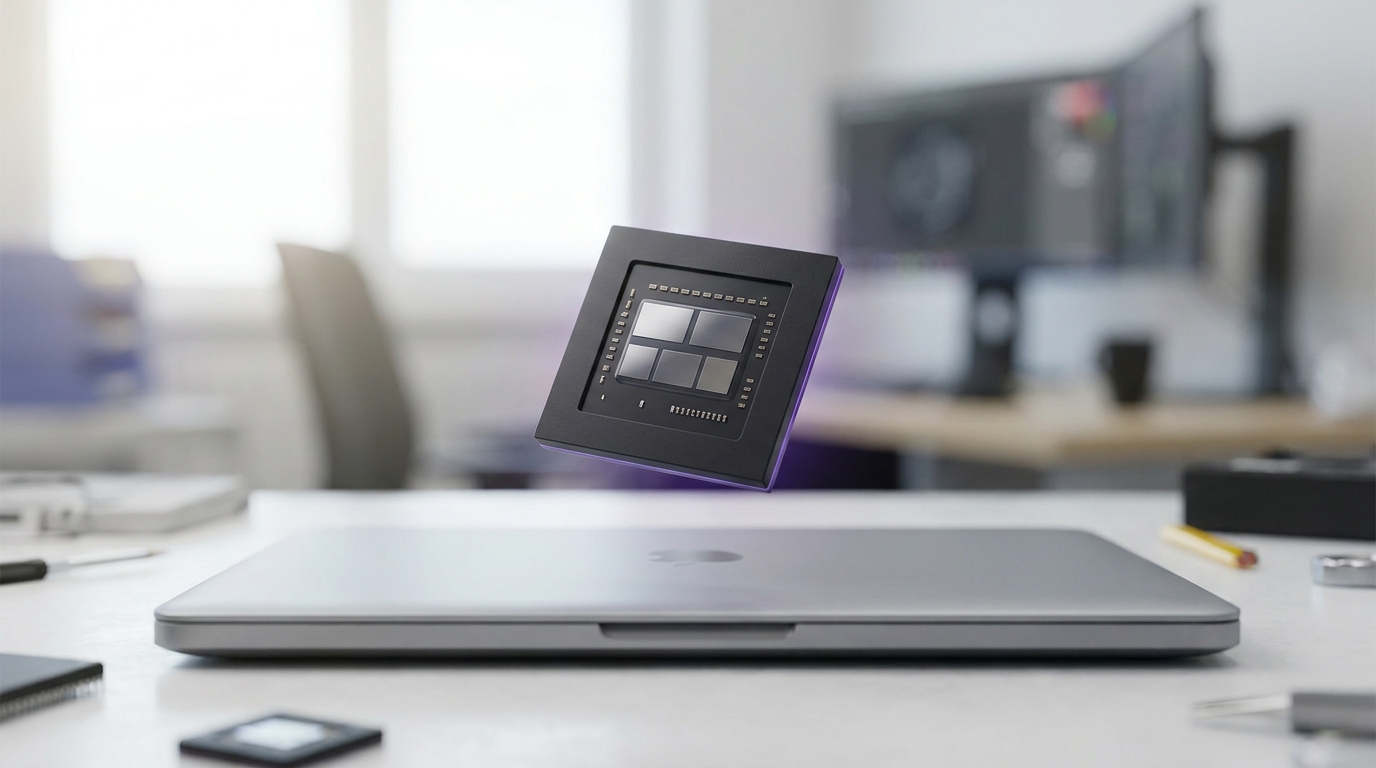
OpenAI's custom-accelerator agreement with Broadcom is larger than any other single deal in this cohort by power commitment. This briefing works through the numbers, the timeline, and what building at this scale actually requires.
Almost every company in this cohort's accelerator and startup tracks is American, Korean, or Chinese. Europe's near-total absence from that list is itself a story — and Axelera AI is one of the few companies trying to close the gap.
Most accelerator deals get announced as a unit count or a dollar figure. AMD and OpenAI described theirs in gigawatts of power consumption — a framing that says as much about the industry's real constraint as it does about the chips themselves.
AMD's absorption of inference-chip startup Untether didn't make headlines the way a multi-gigawatt hyperscaler deal does. It may say more about where AMD thinks the accelerator market is actually headed.
Petaflops are the advertised number and almost never the binding one. An accelerator is a memory system with arithmetic attached, and every serious design decision of the last decade follows from that.