A specific answer to a specific bottleneck
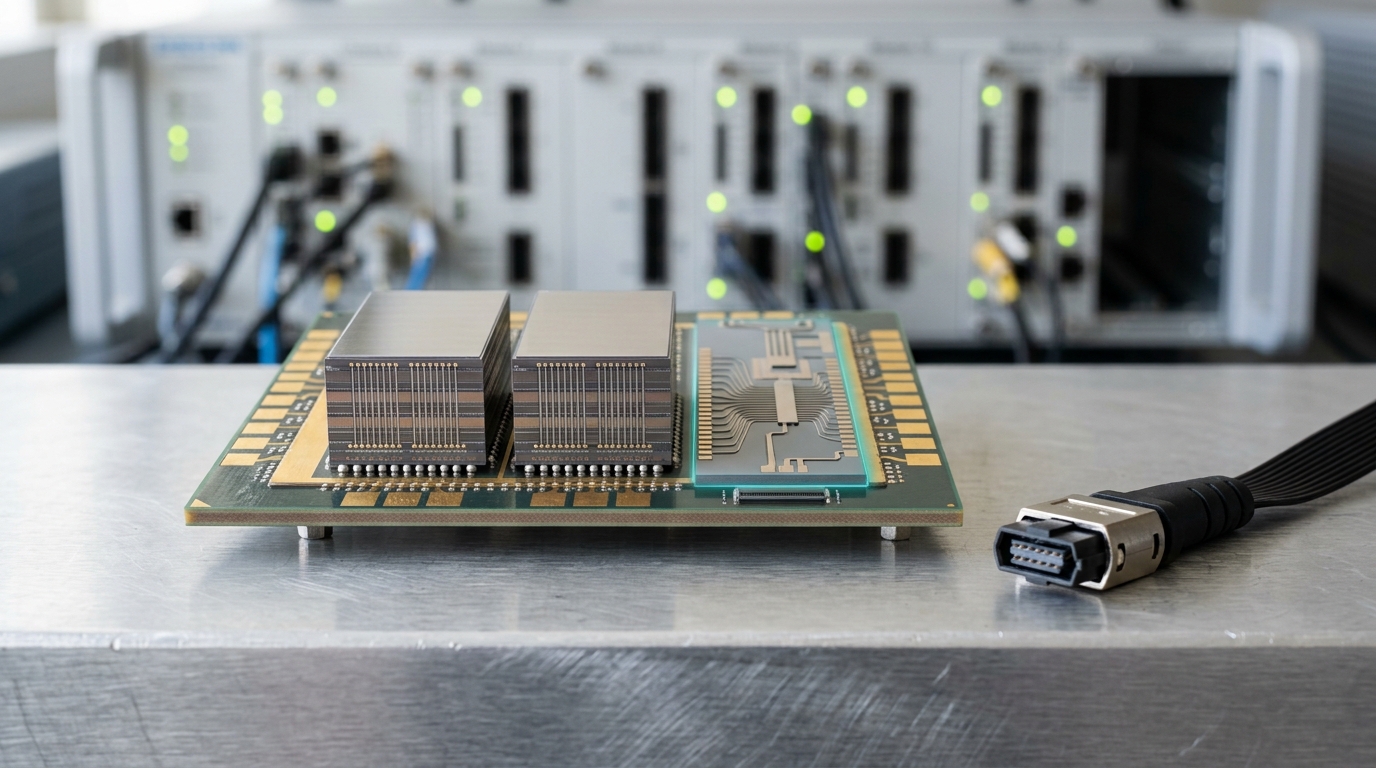
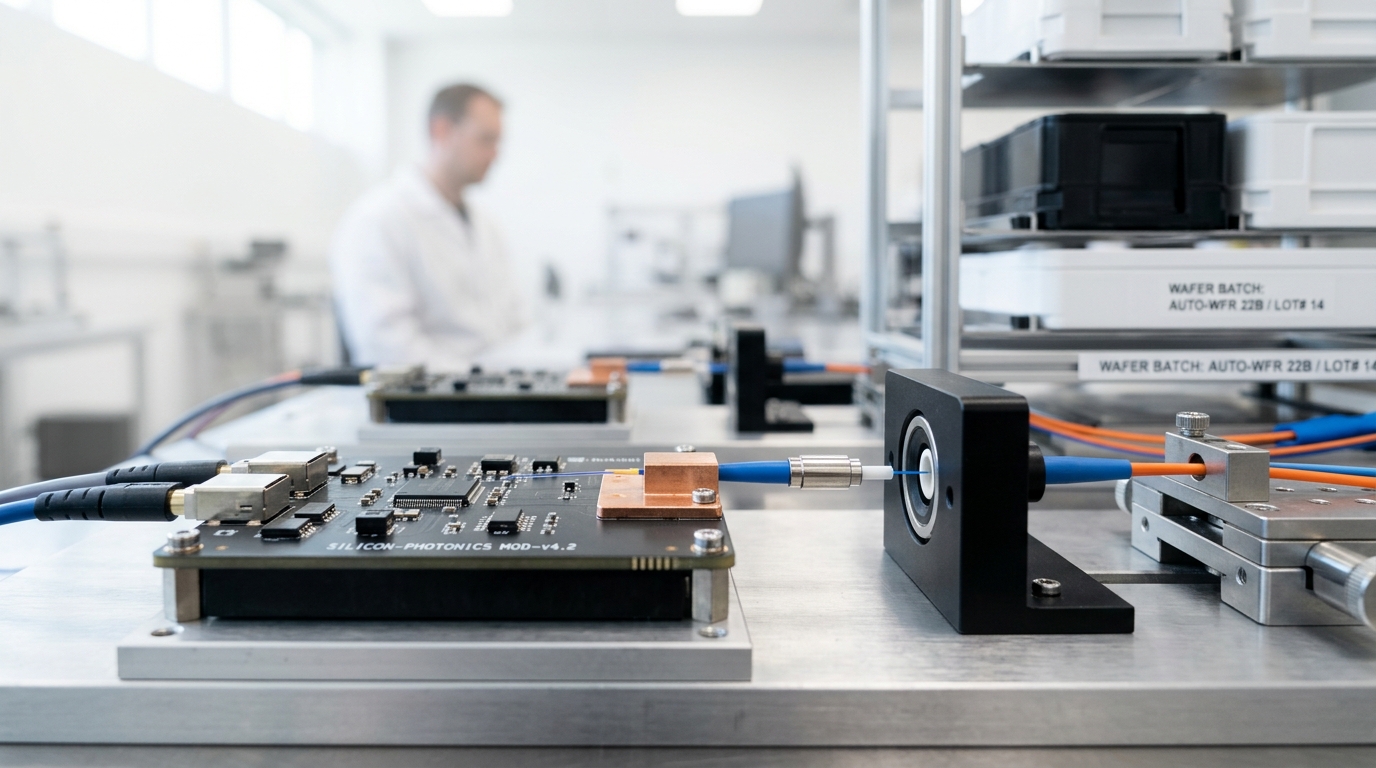
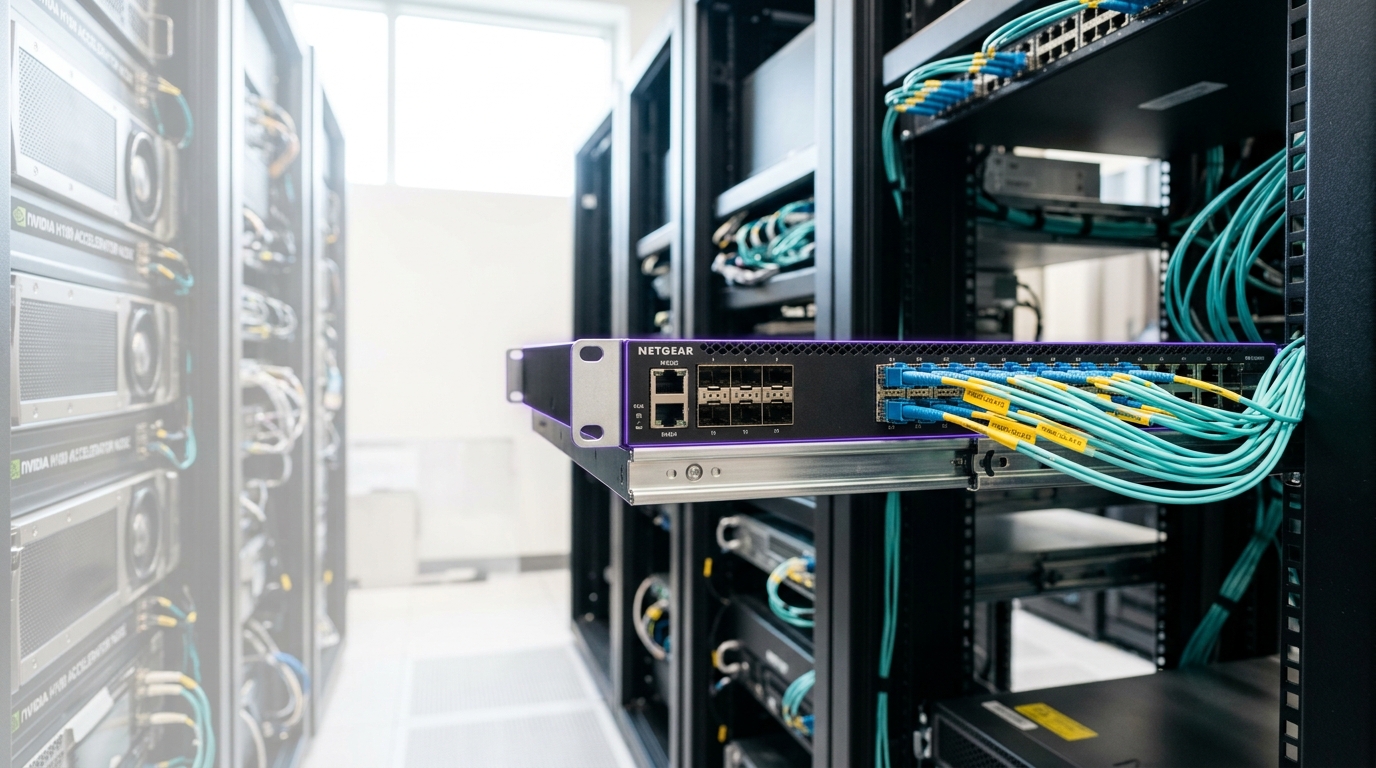
Marvell’s $5.5 billion acquisition of Celestial AI is best understood by naming exactly what problem Celestial AI’s technology solves: photonic interconnect aimed at memory-to-compute bandwidth — using light rather than electrical traces to move data between a compute die and its memory, a connection that this cohort’s HBM-supercycle briefing establishes as one of the tightest physical bottlenecks in the entire AI hardware stack [3]. Rather than a diversification into an unrelated business, the acquisition directly extends the core problem Marvell’s existing custom-silicon business, covered in this cohort’s companion Marvell briefing, already has to solve for every customer it designs for [1].

Why memory bandwidth is the bottleneck this specific technology targets
Modern accelerator dies are frequently limited less by raw compute throughput than by how fast data can move between the compute die and its attached memory — the same underlying physical constraint driving the HBM stacking innovations covered in this cohort’s memory-track briefings. Celestial AI’s photonic approach to that connection is a different angle on the same problem HBM solves through 3D stacking: rather than physically stacking memory closer to the die, it uses optical signaling to make the electrical distance between memory and compute functionally irrelevant, at least for the specific bandwidth and latency characteristics photonic interconnect can deliver.
Why this acquisition strengthens Marvell’s existing customer relationships
Marvell’s Amazon Trainium and Microsoft Maia partnerships, covered in this cohort’s companion briefing, put Marvell in direct competition with Broadcom for the next wave of hyperscaler custom-silicon business [4]. Owning photonic memory-interconnect technology directly, rather than relying on a third-party supplier or licensing arrangement, gives Marvell a more complete, differentiated answer to offer a hyperscaler designing its next generation of custom accelerator — a system-level advantage rather than merely a chip-level one, mirroring the same strategic logic behind Nvidia’s own photonics push covered elsewhere in this cohort.
What the price tag itself signals
A $5.5 billion acquisition price for a specialized interconnect startup is a serious commitment, and it is worth reading as a data point about how seriously the industry now weighs the memory-bandwidth bottleneck relative to compute throughput. A decade ago, an acquisition of this size in the accelerator space would almost certainly have gone toward compute architecture or software rather than an interconnect specialist — the fact that memory-to-compute bandwidth now commands this level of strategic investment is itself evidence of how central that specific constraint has become to the entire industry’s competitive calculus [2].
What to watch for next
The clearest evidence of how well this acquisition is working will show up in Marvell’s next- generation custom-silicon design wins: whether Celestial AI’s photonic technology becomes a visible, differentiated feature Marvell markets directly to prospective hyperscaler customers, or whether it is absorbed more quietly as an internal engineering capability without a distinct public identity of its own — a distinction this cohort’s approach to acquisition coverage returns to consistently, since it is the clearest available signal of how central an acquired technology actually becomes to its new parent company’s strategy.
How this compares to Nvidia’s own photonics investment
Nvidia’s parallel push into co-packaged optics, covered in this cohort’s companion briefing, is pursued largely through internal engineering and product development rather than a single large acquisition of this size. That difference in approach — build versus buy — reflects each company’s different starting position: Nvidia’s existing scale and engineering resources make internal development a viable path, while Marvell, competing for the same underlying hyperscaler design-win opportunities with a smaller internal photonics research base, found it faster and less risky to acquire an already-proven team and technology outright. Both companies are converging on similar underlying physics; they are simply taking different routes to get there, a distinction worth watching as each company’s respective approach either validates or challenges the other’s strategic choice over the next several product cycles.
Why the acquisition price is itself a data point worth remembering
Beyond what it says about Marvell’s specific strategy, the $5.5 billion figure is useful as a benchmark for evaluating other acquisitions in this same technology space going forward. A future photonic-interconnect acquisition priced well below this figure might suggest a less mature or less differentiated technology base; one priced well above it would suggest either a meaningfully larger technology lead or a more competitive bidding process among multiple potential acquirers. Readers tracking this specific corner of the AI hardware industry now have a concrete recent comparable to measure the next such deal against.