How Chemical Dynamics and Catalysis Actually Work
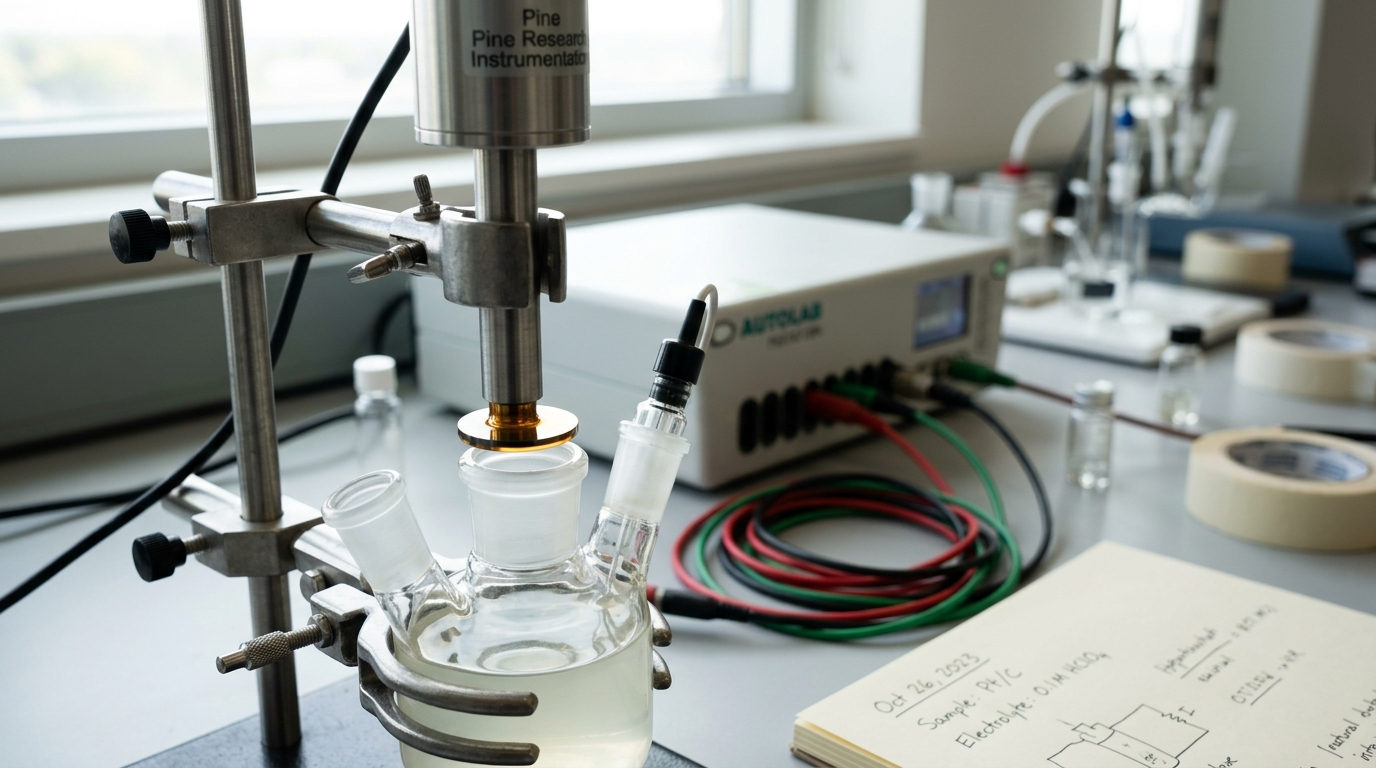
A catalyst does not change a reaction's thermodynamics; it opens a different path through it, and operando spectroscopy is how chemists now watch that path being taken in real time.
Tagged catalysis · show all articles
A catalyst does not change a reaction's thermodynamics; it opens a different path through it, and operando spectroscopy is how chemists now watch that path being taken in real time.
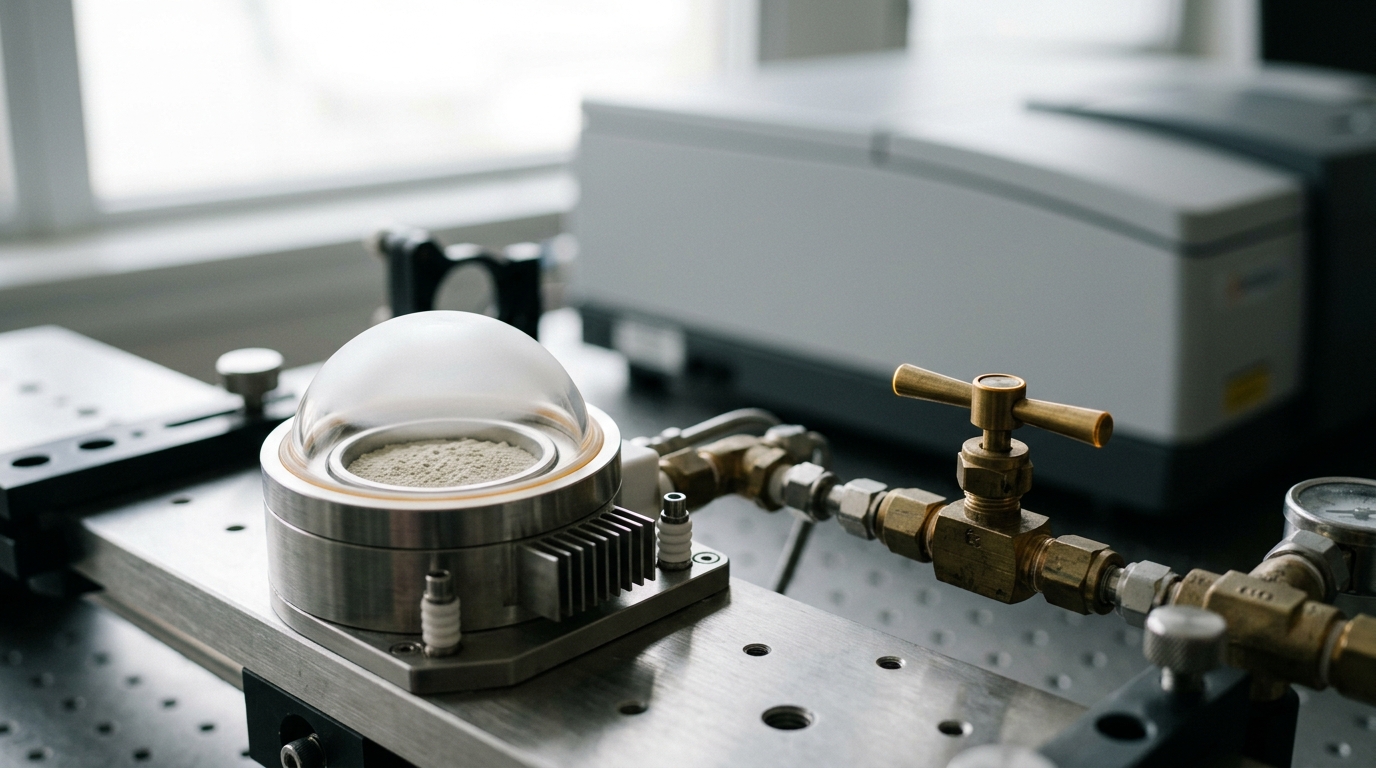
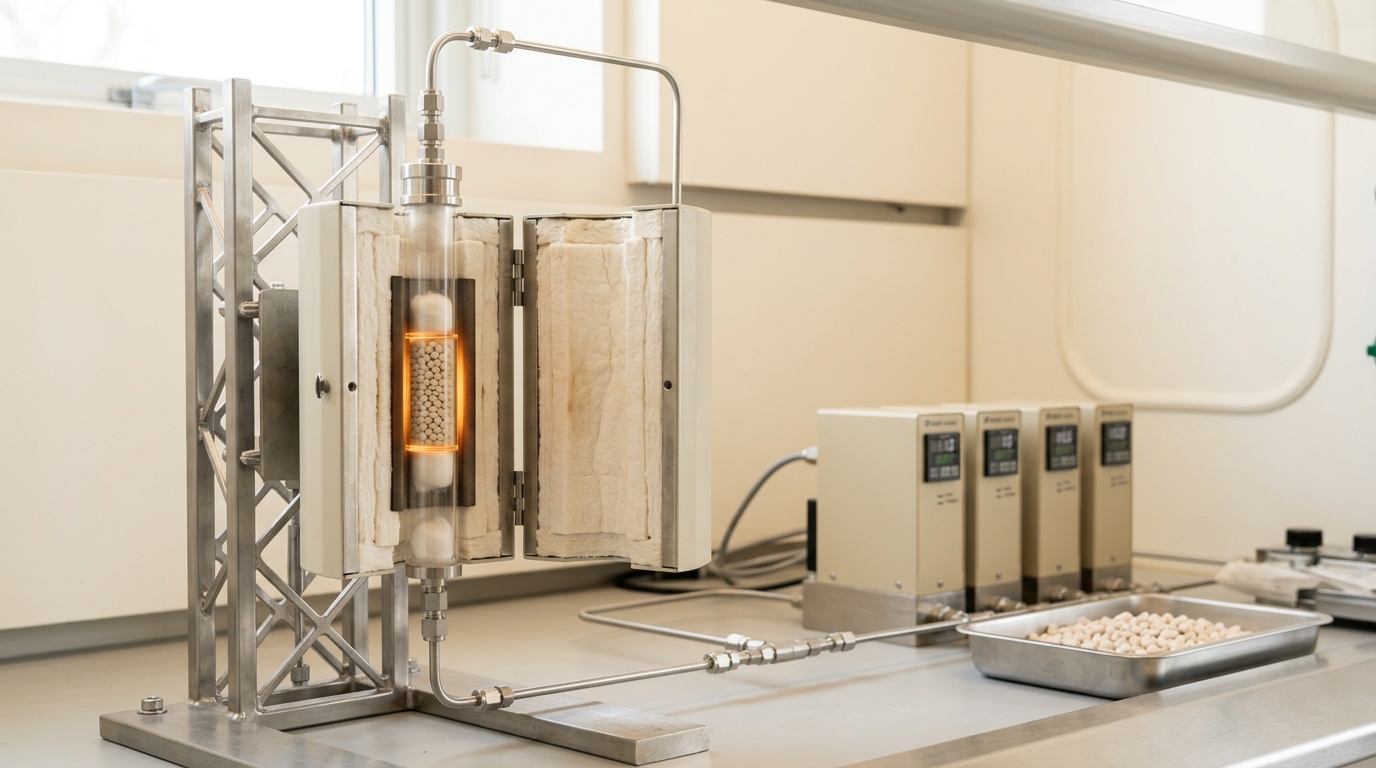
Heterogeneous, homogeneous, electrocatalytic and photocatalytic routes to the same molecule are not competing answers to one question; they trade selectivity, energy input and scale against each other in ways no single metric can rank.
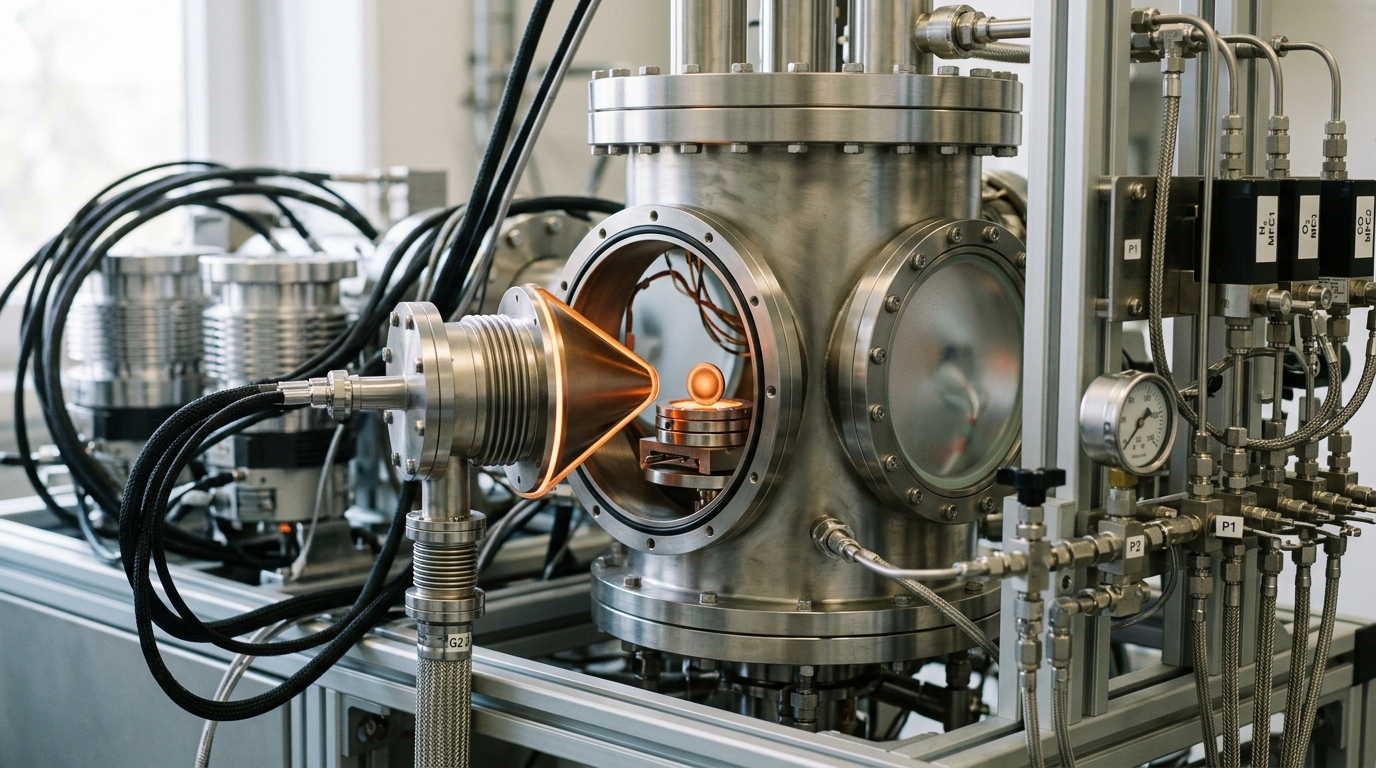
Green hydrogen, machine-learned catalysts, and electrified nitrogen fixation are all plausible by 2035 — but only if specific, checkable thresholds are crossed first, not because roadmaps say so.
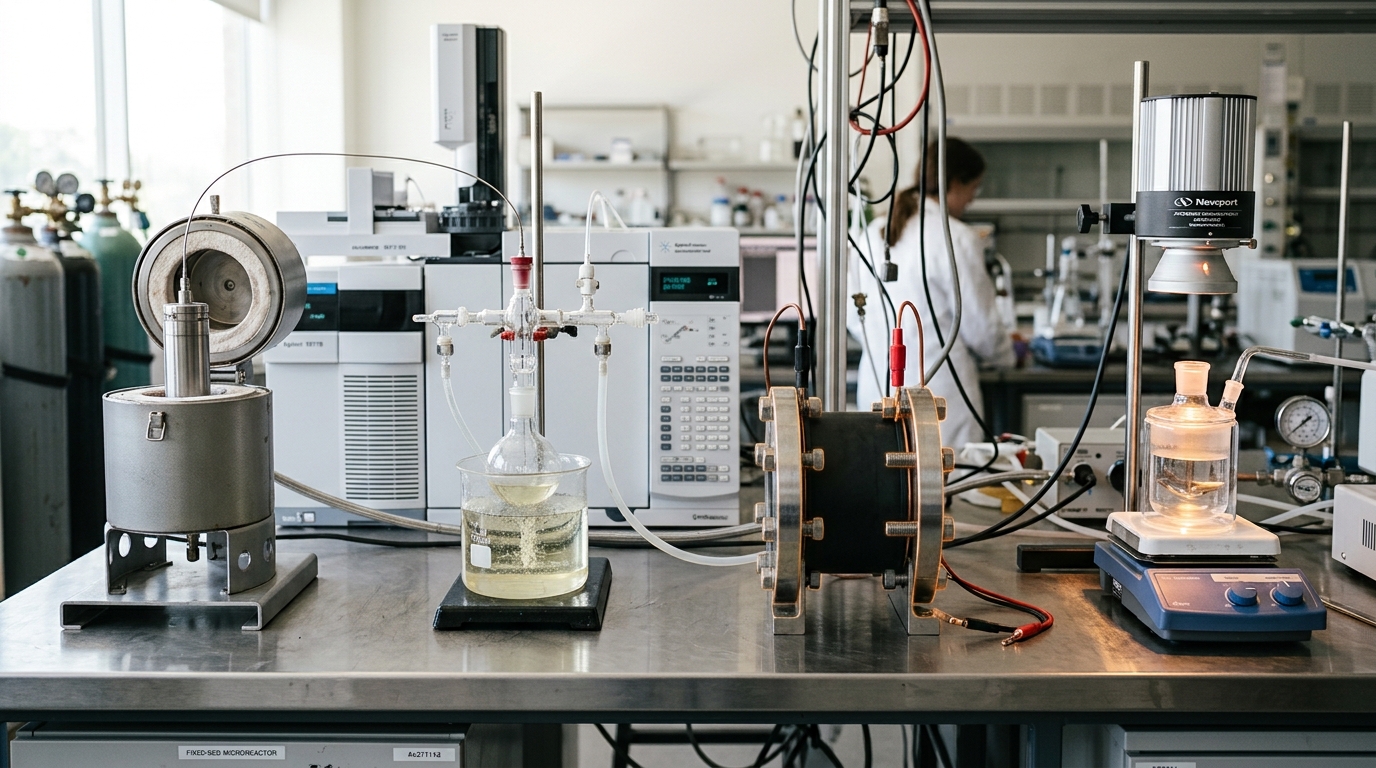
Characterizing a new catalyst is not one measurement but an evidentiary chain — kinetics, isotopes, operando spectroscopy and accelerated aging — each closing off a different way the claim could be wrong.
A catalyst cannot change where a reaction ends up, only how fast it gets there. Everything difficult about industrial catalysis follows from that single restriction.