The largest chip company most people can’t name
Texas Instruments is the world’s largest supplier of analog chips — the unglamorous category of semiconductors that manage voltage, current, and signal conversion rather than perform digital computation. Analog chips do not appear in benchmark charts or keynote slides the way GPUs do, and TI, despite its scale, rarely appears in mainstream coverage of “the chip industry” the way Nvidia or TSMC do. This briefing exists because a company this large moving prices this aggressively deserves the same scrutiny this cohort applies to any headline-grabbing accelerator announcement.
What “analog chip” actually means, briefly
Digital chips, the subject of nearly every other briefing in this cohort, process discrete 1s and 0s. Analog chips instead manage continuous physical quantities: converting AC to DC, regulating voltage to precise tolerances, amplifying weak sensor signals, isolating high-voltage circuits from low-voltage control electronics. Every digital chip covered elsewhere in this cohort — every GPU, every custom ASIC, every automotive microcontroller — needs analog components somewhere in its power delivery and signal chain to function at all, which is precisely why TI’s pricing power ripples so broadly despite its low public profile.
The 2026 price-hike cycle, specifically
TI implemented its second comprehensive price increase of 2026 starting April 1, with reported hikes ranging from 15% to 85% across product lines including digital isolators, isolated driver chips, and power management ICs [1]. By mid-2026, reporting described this as TI’s third price hike within six months, part of a broader industry pattern also involving NXP preparing comparable increases for June and July [2]. Coverage attributes the cycle to a combination of surging AI-infrastructure-driven demand for power management components and broader industry cost pressures and restructuring [4].
Why this pricing power looks different from a GPU price increase
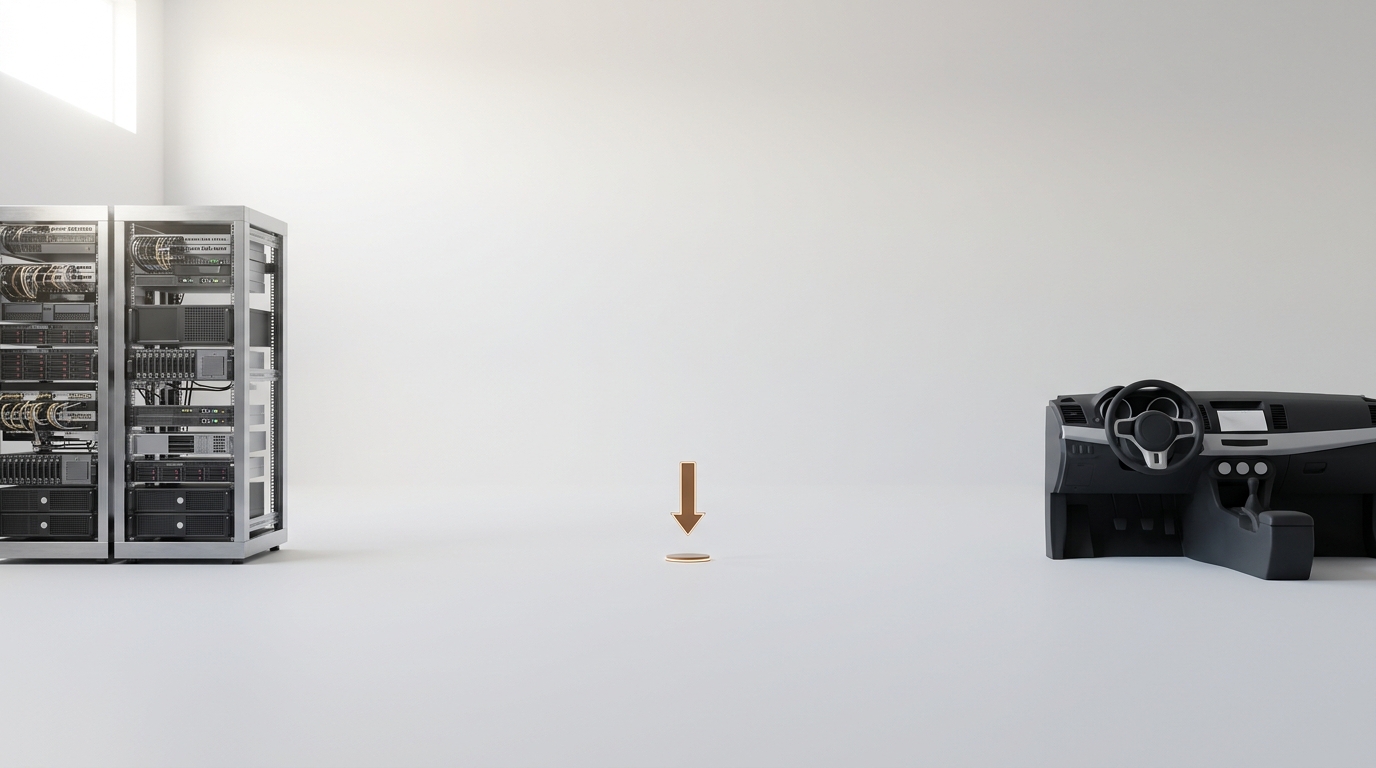
When Nvidia or a foundry raises prices, the story usually leads with a specific, well-covered customer base: hyperscalers, AI-lab buyers, gamers. When TI raises analog chip prices, the affected customer base is broader and less visible: automotive manufacturers, industrial equipment makers, appliance manufacturers, and — increasingly, per the reporting above — the power-delivery layer of AI datacenters themselves, since even a GPU rack’s voltage regulation depends on analog chips of exactly the kind TI supplies [3]. That last point complicates a simple “analog is separate from AI” narrative — TI’s own price cycle is explicitly linked to AI-infrastructure demand in the reporting above, even though the company’s largest end markets remain automotive and industrial rather than datacenter-specific.
Why TI’s pricing power is genuinely structural, not opportunistic
TI’s scale and manufacturing breadth give it pricing leverage most of its analog competitors lack: broad in-house fabrication capacity across a wide range of process nodes suited to analog rather than leading-edge digital manufacturing, a catalog spanning tens of thousands of parts, and deep design-in relationships across automotive and industrial customers who cannot easily requalify an alternative supplier’s part mid-production-run. That combination is precisely why a 15-85% price increase from TI moves through automotive and industrial supply chains with real force despite the company’s low public profile — customers facing requalification costs and lead-time risk often absorb the increase rather than switch suppliers, a dynamic genuinely different from the more commoditized, benchmark- driven competitive pressure this cohort’s GPU and custom-silicon coverage documents elsewhere.
The quiet-giant framing, earned
“Quiet giant” is not merely a flattering title — it is the most accurate description available for a company whose pricing decisions ripple through nearly every electronics supply chain this cohort covers, from the automotive and industrial companies profiled elsewhere in this track to the power- delivery layer underneath the AI accelerators covered throughout the rest of this cohort, while receiving a fraction of the headline coverage any comparable move by Nvidia or TSMC would generate. That asymmetry between actual economic impact and public visibility is, in miniature, the same asymmetry this cohort’s automotive-and-analog track exists to correct.
What to watch next
The clearest signal of whether TI’s 2026 price cycle reflects durable pricing power or a temporary supply-demand imbalance will be whether a fourth increase follows later in the year, or whether customers begin visibly requalifying alternative suppliers despite the switching costs this briefing describes. Either outcome will say more about the underlying structure of the analog chip market than any single quarter’s headline price-increase percentage can on its own.