Two stories at once, both true
Renesas Electronics’ 2026 is genuinely two stories running in parallel, and reading only one of them gives a misleading picture: a forward-looking manufacturing partnership investing in advanced, next-generation capacity, and a backward-looking legacy-capacity closure squeezing supply of the older analog parts automakers still depend on today. This briefing covers both, deliberately, because neither alone captures Renesas’s actual 2026 position in the automotive silicon supply chain.
The forward story: a multi-billion-dollar manufacturing expansion
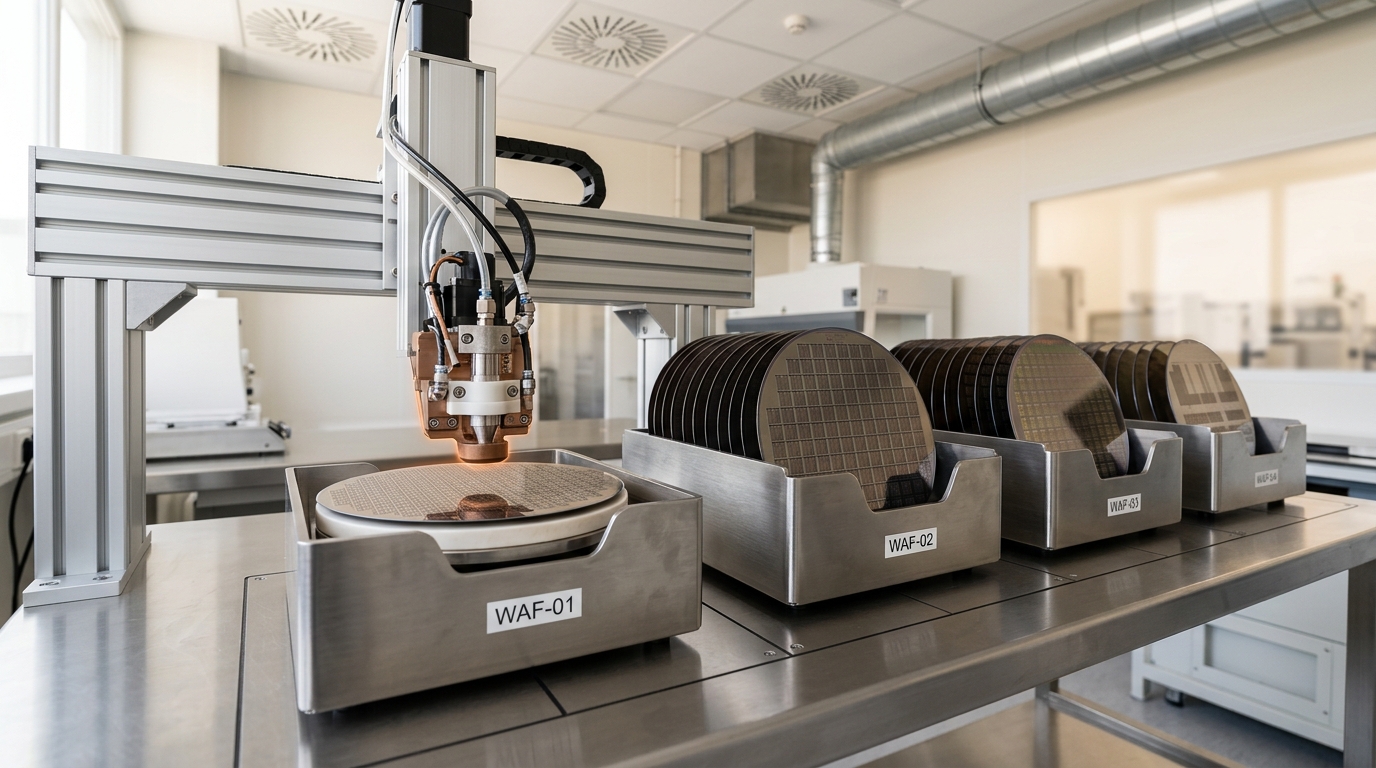
Renesas and GlobalFoundries announced an expanded strategic partnership in 2026 — a multi- billion-dollar manufacturing agreement giving Renesas access to GlobalFoundries’ advanced technology platforms for producing SoCs, power devices, and microcontrollers aimed at automotive and industrial systems [1]. Initial tape-outs are slated for mid-2026, with manufacturing based across the U.S., Germany, and Singapore, and consideration for further integration with Renesas’s own Japanese facilities [2]. The partnership is explicitly framed around electrification and AI-driven application requirements and strengthening supply-chain resilience — language directly echoing the reshoring and geopolitical-resilience themes this cohort’s foundry-track China-and-geopolitics briefings document across the wider industry.
The platform story: R-Car Gen 5
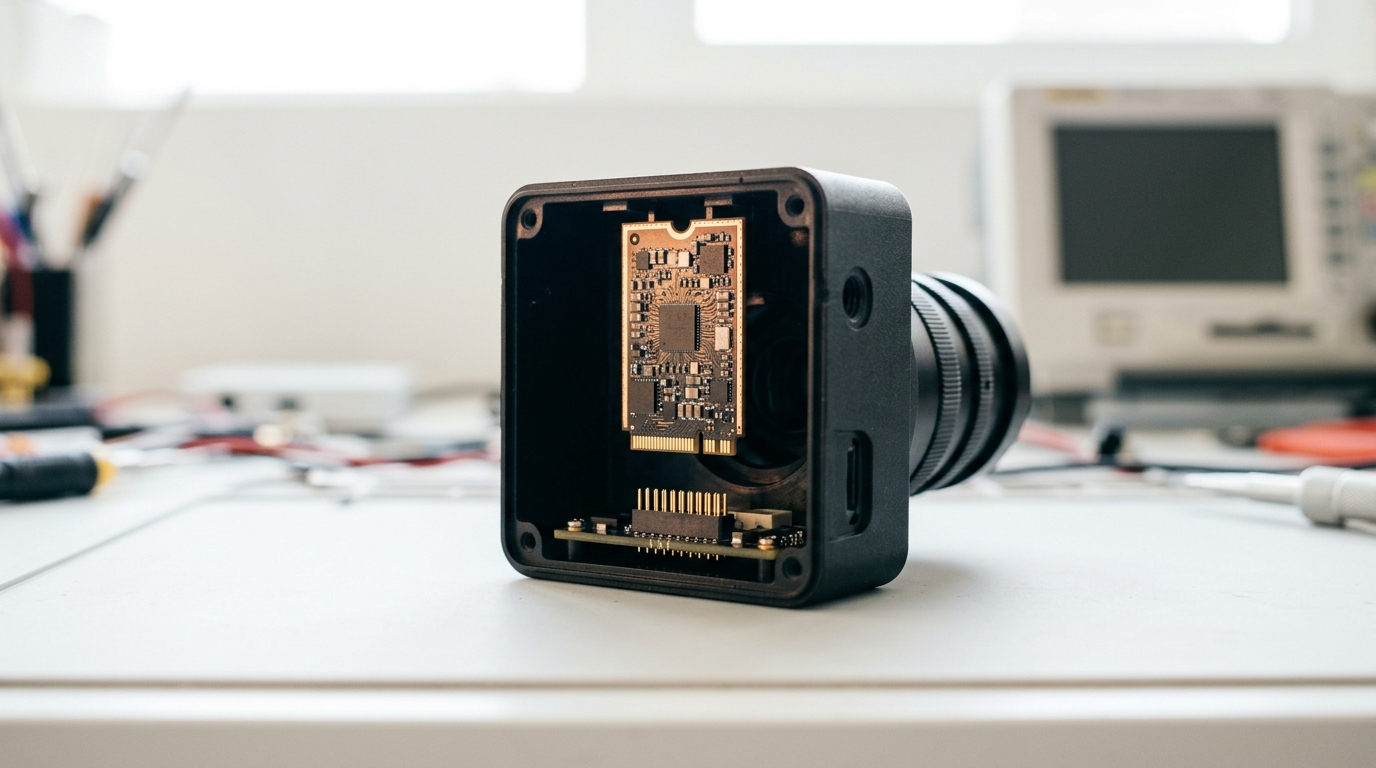
At CES 2026, Renesas showcased its R-Car Gen 5 system-on-chip platform, positioned as a multidomain solution — a single silicon platform capable of managing multiple distinct vehicle electronic domains simultaneously, rather than requiring a separate dedicated controller for each [3]. This domain-consolidation approach is the automotive-silicon equivalent of the software-defined-vehicle architecture shift covered in this cohort’s companion NXP briefing: fewer, more capable chips replacing a larger number of narrower, single-purpose ones as vehicle electronics architecture matures.
The less-discussed story: closing the last 6-inch fab
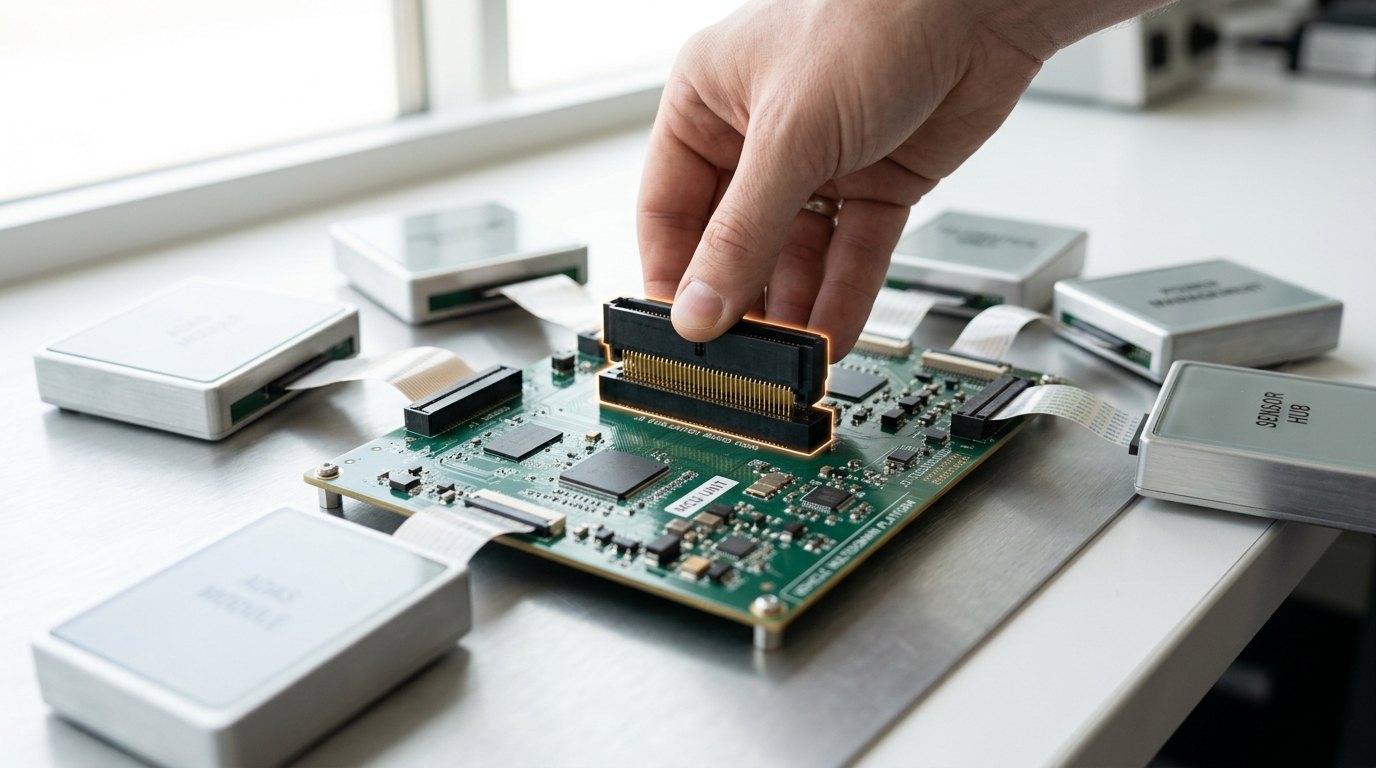
The detail easiest to miss in coverage focused on Renesas’s advanced-node ambitions: Renesas closed its last 6-inch wafer fab in 2026, a legacy manufacturing line that produced older-generation analog components still widely used in existing automotive designs — and that closure is reported contributing directly to an analog supply squeeze hitting automotive buyers [4]. This is not a contradiction of the GlobalFoundries partnership story; it is the same underlying transition — legacy capacity retiring while advanced capacity ramps — playing out on two different timelines that do not perfectly overlap, producing a real, if likely temporary, supply gap for older parts in the interim.
Why both stories belong in the same briefing
A reader encountering only the GlobalFoundries partnership headline would reasonably conclude Renesas’s automotive silicon supply is expanding confidently. A reader encountering only the 6-inch fab closure headline would reasonably conclude the opposite. Both are accurate simultaneously, because they describe different parts of Renesas’s product portfolio moving through the same broader industry-wide legacy-to-advanced-node transition this cohort’s foundry-track briefings document at the leading edge — except here playing out specifically in the older, unglamorous analog and mixed- signal capacity that automotive electronics has historically depended on most heavily, and that receives far less coverage than any comparably sized leading-edge capacity story would.
The honest synthesis for automotive buyers reading this in 2026
Renesas’s medium-term trajectory, backed by the GlobalFoundries partnership and R-Car Gen 5, points toward a stronger, more consolidated automotive-silicon position. Its near-term reality, per the fab closure, includes a genuine supply squeeze on older analog parts that automotive buyers still actively need for existing vehicle programs. Both facts should inform any procurement or investment decision referencing Renesas in 2026 — treating either one alone as the complete picture would miss half of what is actually happening inside the company’s manufacturing footprint this year.
Why legacy-node closures keep recurring across this cohort’s coverage
Renesas’s 6-inch fab closure is not an isolated event — this cohort’s equipment-and-materials track documents a broader industry pattern of legacy manufacturing capacity retiring faster than replacement capacity for the same older process nodes comes online elsewhere, since most new fab investment industry-wide targets advanced nodes rather than replicating legacy analog capability. That mismatch is a structural feature of how the industry allocates capital, not a Renesas-specific misstep, and buyers dependent on legacy analog parts from any supplier should expect comparable transition-period squeezes to recur as other companies retire their own older fabs on similarly staggered timelines in the years ahead.