How Cumulative Culture and Social Learning Actually Work
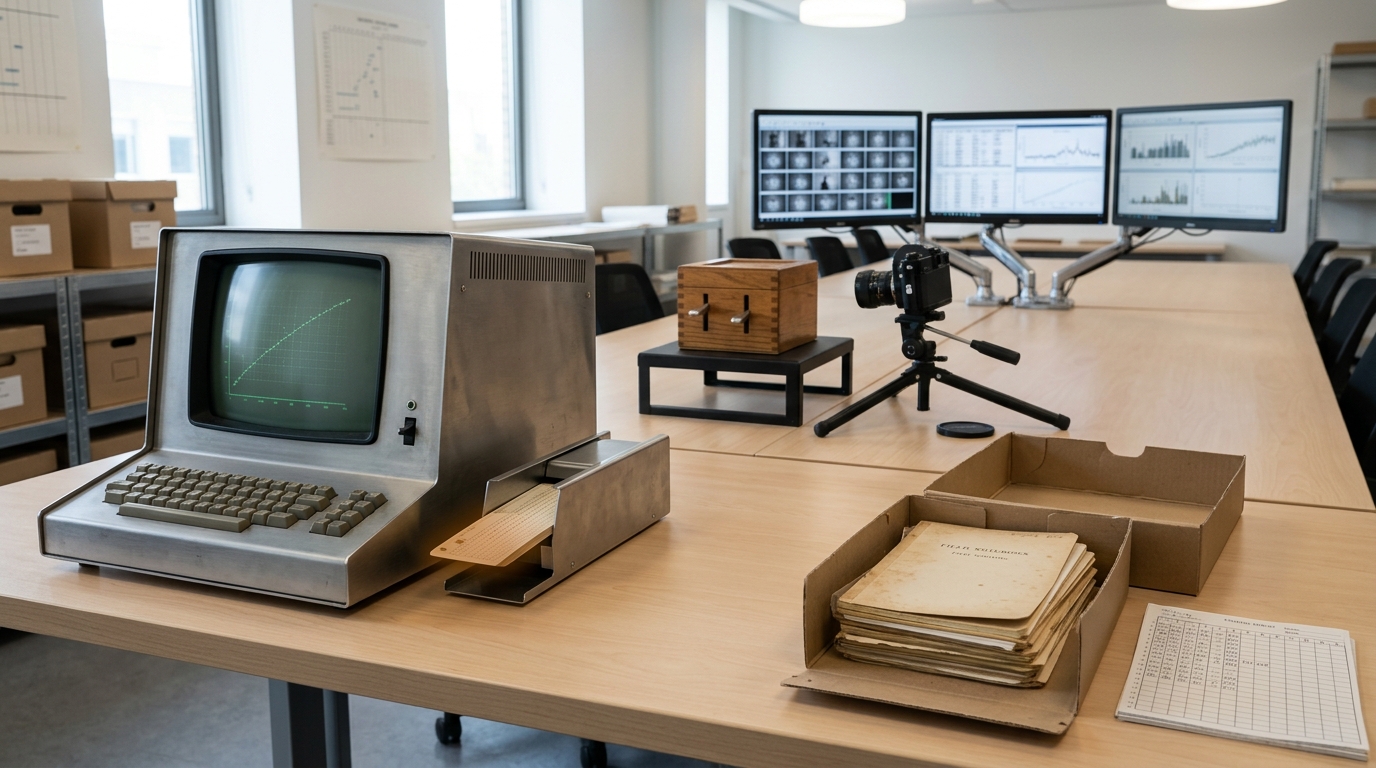
Transmission-chain experiments, ape-versus-child puzzlebox trials, and a documented 8,000-year toolkit collapse in Tasmania show exactly where cultural fidelity breaks and why it holds.

Tagged cultural evolution · show all articles
Transmission-chain experiments, ape-versus-child puzzlebox trials, and a documented 8,000-year toolkit collapse in Tasmania show exactly where cultural fidelity breaks and why it holds.
Extended cognition, cognitive-offloading experiments, and cultural-evolution theory explain what is actually documented about people, institutions, and AI tools — and where the evidence stops and forecasting begins.
Whether platforms, cross-cultural samples, and AI-generated content will measurably change how humans copy, teach, and improve on each other's ideas by 2035 — stated as falsifiable bets, not forecasts of vibes.
How a field went from Darwin's stray remarks on inherited habits to formal gene-culture models, transmission-chain experiments, and a working theory of why human culture ratchets upward while other species' does not.
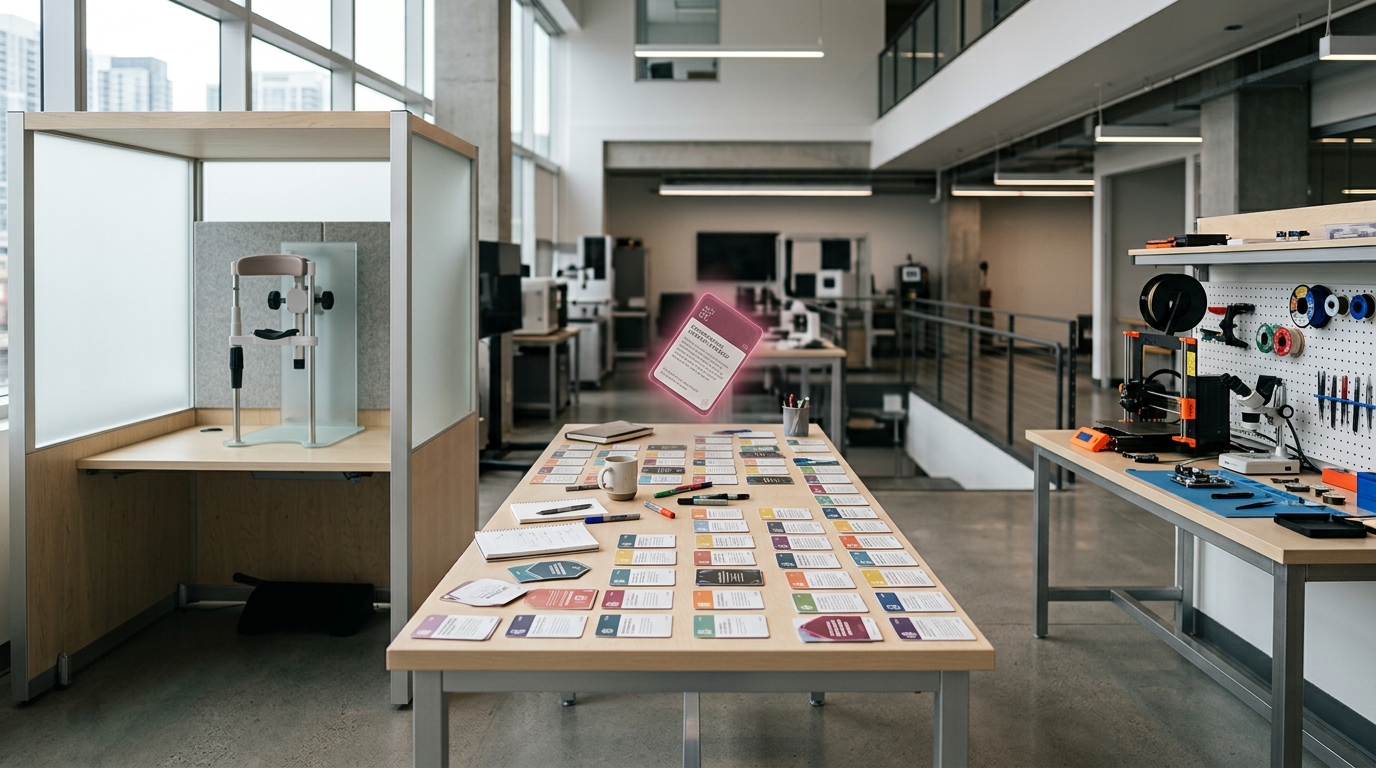
How working cultural-evolution labs actually design a transmission chain, sample across societies without fooling themselves, and validate an agent-based model against real archaeological and experimental data.
Every technology in culture's history has reset the same parameters: fidelity, bandwidth, who copies whom. Language models are the newest layer, and the first built to transform rather than copy — with three falsifiable scenarios to 2100.
Humans cooperate with unrelated strangers at a scale no other primate approaches, and pay to punish defectors they will never meet again. The experiments behind that claim, and their sharpest critics, are less settled than they look.
Technology evolves at the speed of the population that makes it, and that population is about to peak. The UN and IHME disagree by 1.4 billion people about where 2100 lands — a gap about how many inventors the century gets.
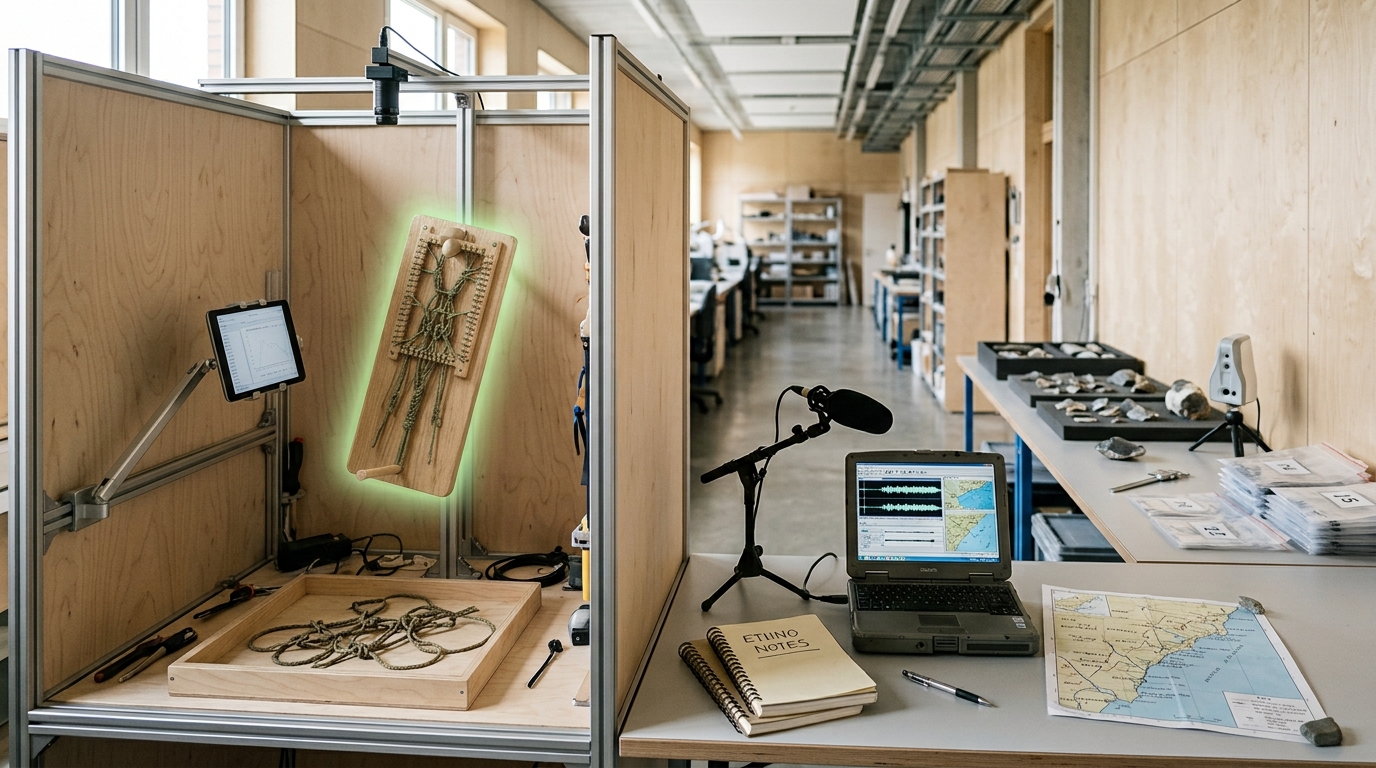
Laboratory transmission chains, cross-cultural fieldwork, and archaeological material analysis each answer a different question about how culture accumulates — and none of them, alone, answers all of it.
Cultural-evolution theory, cognitive-offloading experiments, and futures scenario scholarship all study how humans and AI are reshaping each other — on different timescales, with different evidence, and different jobs to do.