Two separate questions, often merged into one
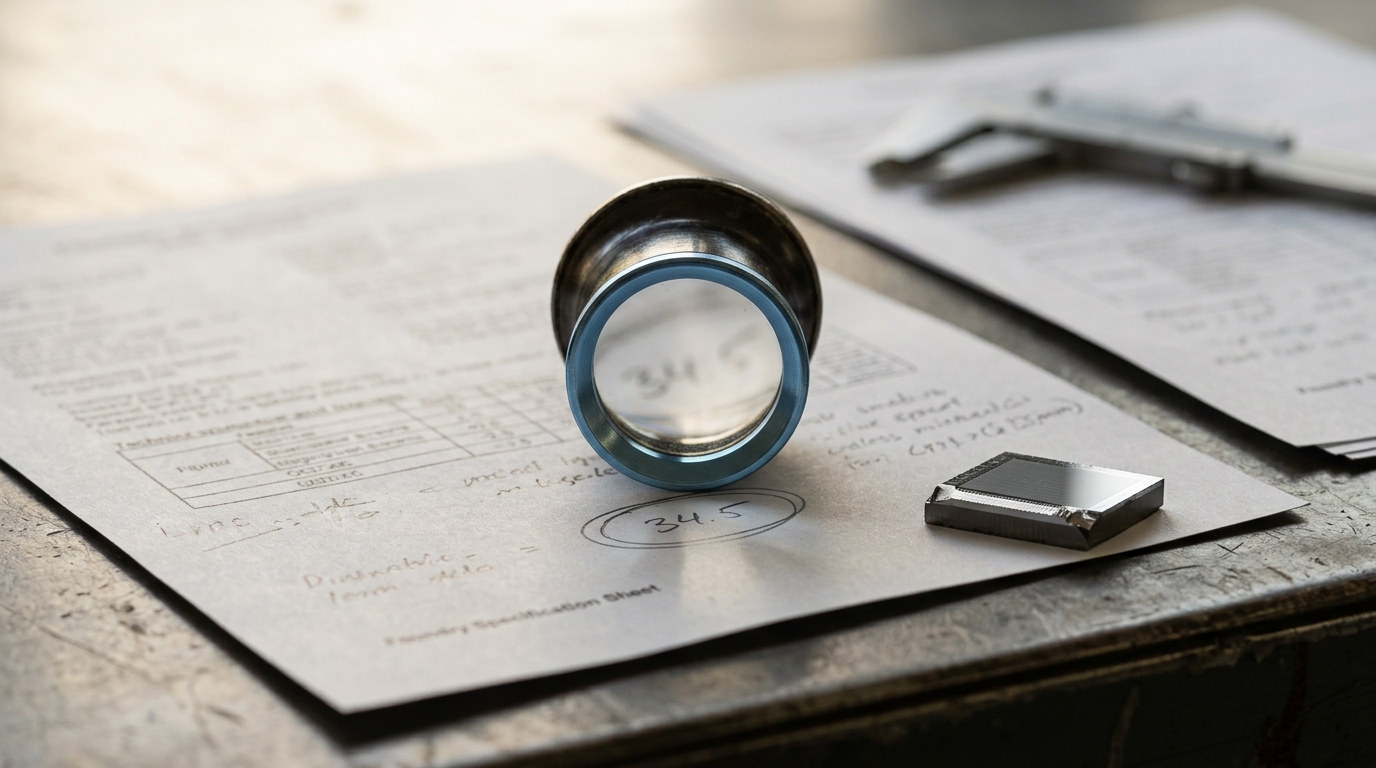
“Is 18A a good process node?” and “does Intel Foundry have a viable external business?” are different questions with, as of this briefing, different answers. The first is trending positive: 18A is in volume production, and Panther Lake — marketed as Intel’s Core Ultra Series 3 and the first AI PC platform built on the node — is the proof point, unveiled at CES 2026 as the first consumer chip to ship on it [2]. The second question is still open, and it is the one that actually determines whether Intel’s roughly decade-long, tens-of-billions-of- dollars foundry investment pays off as a business rather than merely as a captive internal capability.
What 18A has proven
Panther Lake shipping in volume on 18A is a real technical milestone. Intel spent years being described, fairly, as behind TSMC and Samsung Foundry at the leading edge; a node that ships an actual consumer product on schedule is evidence the gap has narrowed. Industry coverage frames 2026 explicitly as Intel’s “make-or-break” year for exactly this reason — not because the technology is unproven, but because the commercial test is now unavoidable [1].
What 18A has not yet proven
As of this briefing, Intel has not publicly confirmed a major external 18A foundry customer [1]. That absence matters more than it might at a company with a smaller capital base, because foundry economics only work at scale: the fixed cost of keeping a leading-edge fab running is enormous regardless of whether it is filled with Intel’s own designs or a customer’s, and a fab filled only with the parent company’s own chips does not generate the independent, compounding revenue that made TSMC’s pure-play model so durable in the first place.
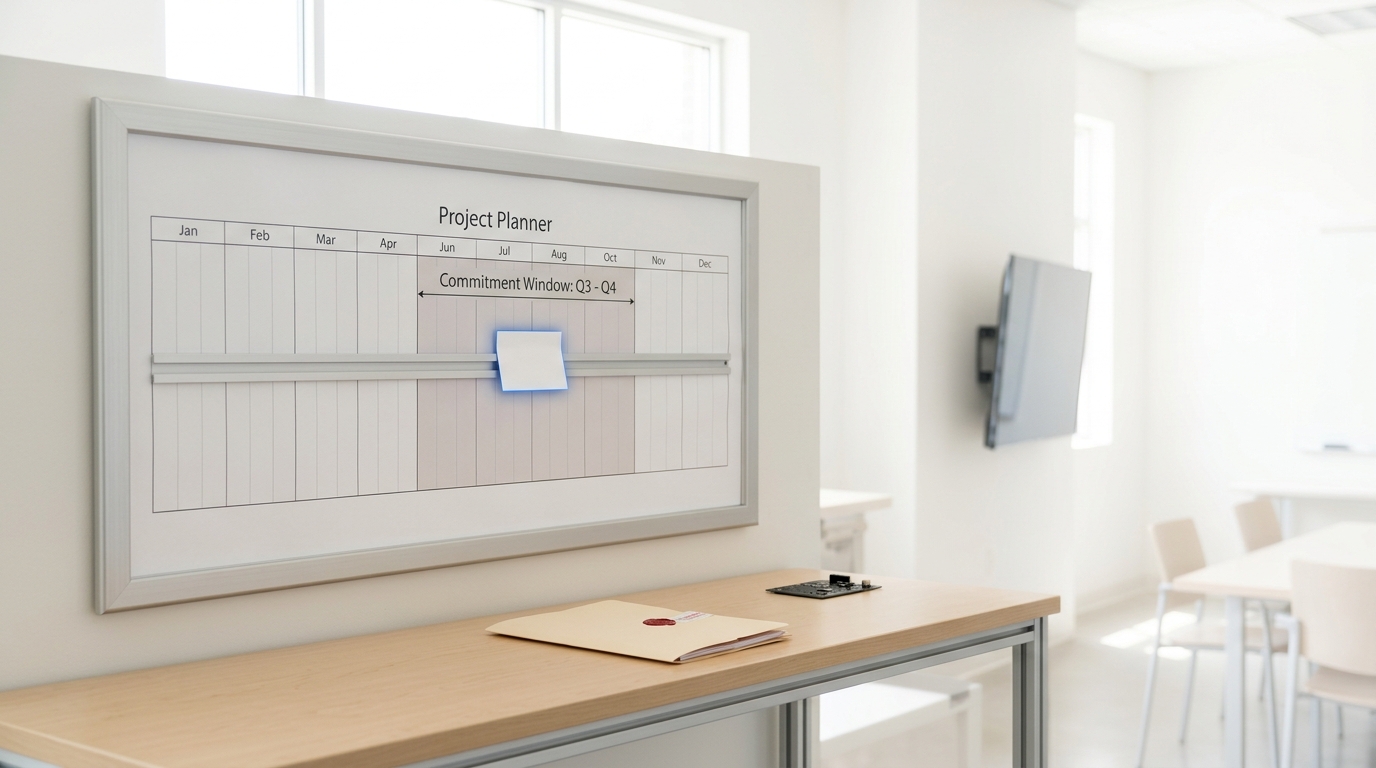
Intel’s own roadmap language reflects the pressure this creates. The company is reportedly reconsidering opening 18A itself to external customers alongside its next node, 14A, with formal customer-commitment windows for 14A running from the second half of 2026 through the first half of 2027 [3]. That is a tight window in an industry where a customer typically has to commit to a process node years before a chip built on it ships — meaning any 14A customer decisions made in this window will not be visible as shipped, revenue-generating chips until well into the following process generation’s own development cycle.
The roadmap under pressure
Beyond 18A and 14A, Intel’s public roadmap spans Panther Lake (client, shipping), Nova Lake (next client generation), and Diamond Rapids (server/Xeon) — all described as facing tight execution windows in the same period [3]. A company executing on four major programs simultaneously, while also trying to close its first credible external foundry deal, is managing more moving parts than its recent history suggests it has reliably handled at once.
| Program | Segment | Status as of this briefing |
|---|---|---|
| 18A / Panther Lake | Client (consumer) | Shipping in volume |
| 14A | Foundry (external) | Customer-commitment window H2 2026 – H1 2027 |
| Nova Lake | Client (next gen) | In development, tight execution window |
| Diamond Rapids | Server / Xeon | In development, tight execution window |
Intel’s Arizona fab expansion is explicitly framed around finding the customers to fill it, a tacit admission that capacity alone has never been Intel’s constraint — demand for that capacity from outside Intel has been [4].
What would actually resolve the question
A confirmed, named, large external 18A or 14A customer — not a pilot program, not a small qualification run, but a production commitment from a company with real accelerator or CPU volume — would be the single clearest signal that Intel Foundry has become the second full competitor to TSMC that US industrial policy has spent years trying to create. Its absence, as of this briefing, is the reason “make-or-break” is the accurate description of Intel’s 2026 rather than journalistic exaggeration: the technology risk looks largely retired, and what remains is a straightforwardly commercial question with a straightforwardly binary answer, coming due on a publicly stated timeline.
Readers evaluating Intel coverage through the rest of 2026 have a simple test available: does a headline name an actual paying external customer committed to 18A or 14A production volume, or does it describe a qualification milestone, a pilot, or an internal Intel product. Those are not the same kind of news, and the gap between them is precisely the gap this briefing has traced. Until that gap closes, Intel Foundry’s technical comeback and its commercial one remain two separate stories, however often they are reported as a single one.