The Hardest Unsolved Problems in Meta, Llama, and Open-Weight AI
Publishing a model's weights is a one-way action: it cannot be recalled, only reacted to. Four problems in that fact remain unsolved, and none of them are solved by a better license.
Tagged Meta · show all articles
Publishing a model's weights is a one-way action: it cannot be recalled, only reacted to. Four problems in that fact remain unsolved, and none of them are solved by a better license.
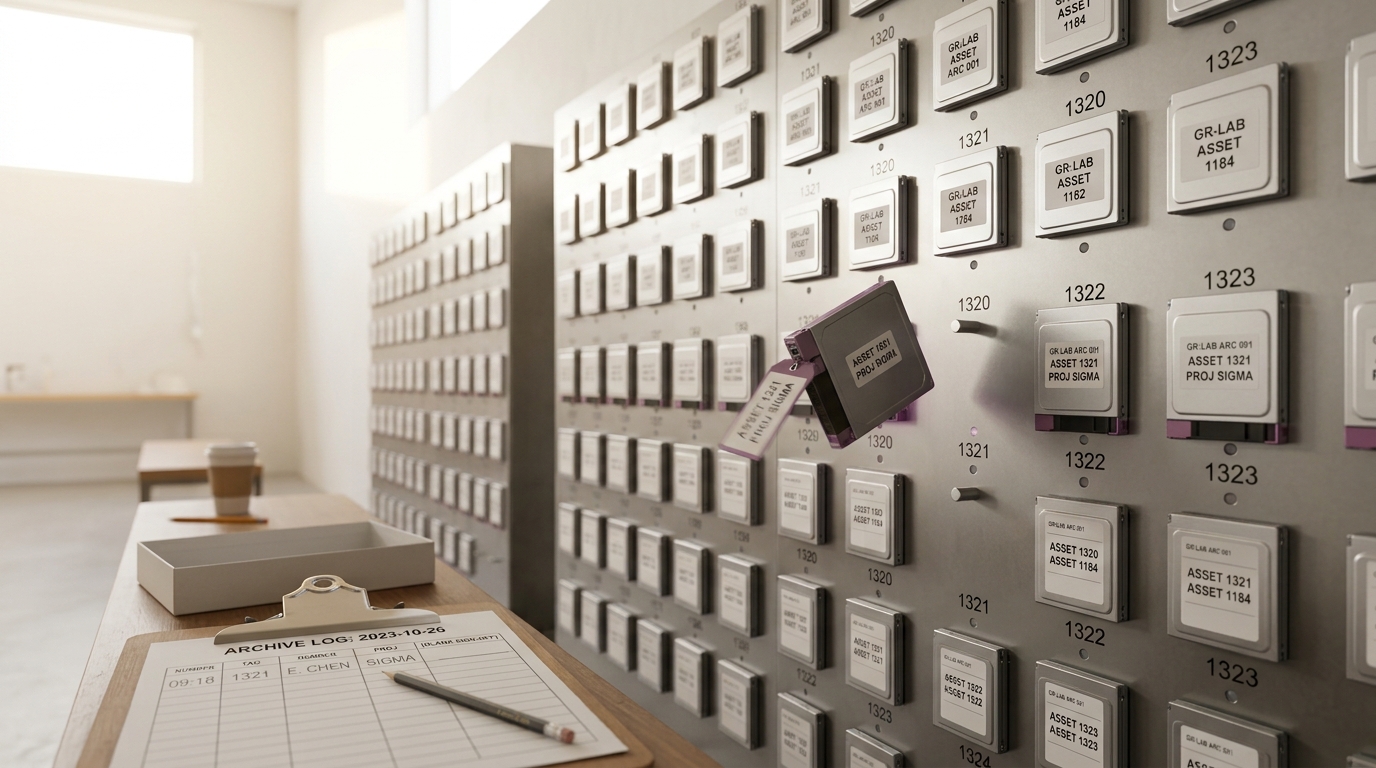
Open weights convert a vendor's benchmark claim from an assertion into something a stranger can rerun on their own hardware, byte for byte. That conversion is real and it is limited, and the Llama record shows both halves of it happening in public.
Four problems in open-weight AI have outlasted every fix proposed for them. Each is backed by a paper's own stated limitation or a documented incident, not a debate position, and none of them has a technical resolution yet.
A released checkpoint is usually described as an endpoint. It is closer to a beginning — ten separately documented failures, from safety training stripped in weeks to weights carrying a hidden payload, show what actually happens once the download starts.
Meta did not set out to start an open-weight movement. A gated research release leaked within a week, and everything that followed — the commercial license, the benchmark claims, a rival's answer — was improvised in response to that accident.
Meta, Mistral, and a growing field of well-funded challengers are shipping open-weight models within a few months of closed frontier releases, changing the calculus for enterprises deciding whether to build or rent.